Get your free personalized podcast brief
We scan new podcasts and send you the top 5 insights daily.
Donald Trump had to expend significant financial and political capital, including rallies and Super PAC spending, to secure a primary victory for his candidate in a safe Republican seat. This high level of effort suggests his endorsement power is diminishing and no longer guarantees an easy win, even in his strongholds.

Related Insights
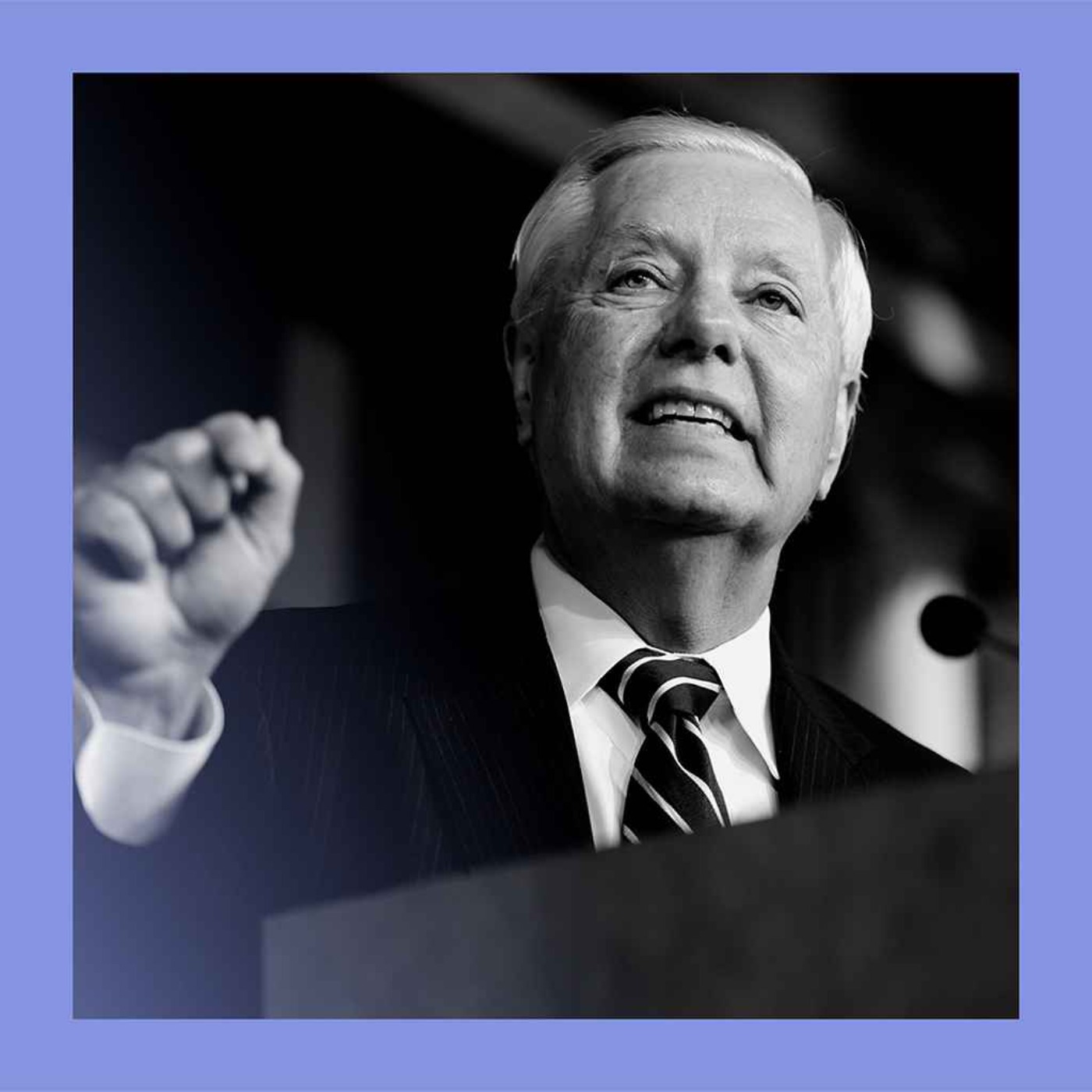
Senator Lindsey Graham initially denounced Donald Trump but later became a staunch ally. This transformation was not a change in core beliefs but a pragmatic decision to maintain political influence and access to power once Trump became the party's dominant figure, reflecting a broader party trend.
The political strategy of appealing to the base during a primary and then moderating for the general election is increasingly difficult. In the age of social media, any hardline statements made to win the primary can be instantly resurfaced and weaponized by opponents, alienating centrist voters.

A speaker argues that President Trump's low polling numbers are paradoxically bullish. The political pressure forces him to take drastic, market-friendly actions, such as de-escalating foreign conflicts and stimulating the economy, to improve his standing before the midterm elections.

Despite winning younger demographics (18-44), Rep. Massie lost his primary. The defeat is attributed to a $20M ad spend from lobby group AIPAC, which effectively targeted older voters who consume traditional media, demonstrating that concentrated wealth can still defeat online grassroots movements.

According to polling analysis, the most troubling sign for the GOP is not general disapproval of Trump, but the specific erosion of economic trust among his core base: white, non-college-educated voters. This demographic shift represents a deep problem for the party everywhere.

Recent election results highlight a key vulnerability for the Republican party: a substantial drop in voter turnout when Donald Trump is not the candidate. The base is less energized, leading to weaker performance in midterms and other elections. This poses a long-term strategic challenge for the party's future beyond Trump.

Republicans speaking out against the censorship of Stephen Colbert is less a test of their moral backbone and more a strategic calculation. Their willingness to dissent serves as an indicator that they perceive Donald Trump's political power and ability to retaliate as weakening, suggesting the 'Trump fever' may be breaking.
Influential figures like JD Vance and Elon Musk believe they can use Donald Trump as a vehicle for their own agendas, viewing him as a "dolt." They fail to recognize Trump's unique, once-in-a-generation political talent for working a crowd and understanding populist sentiment, which he uses to maintain control.
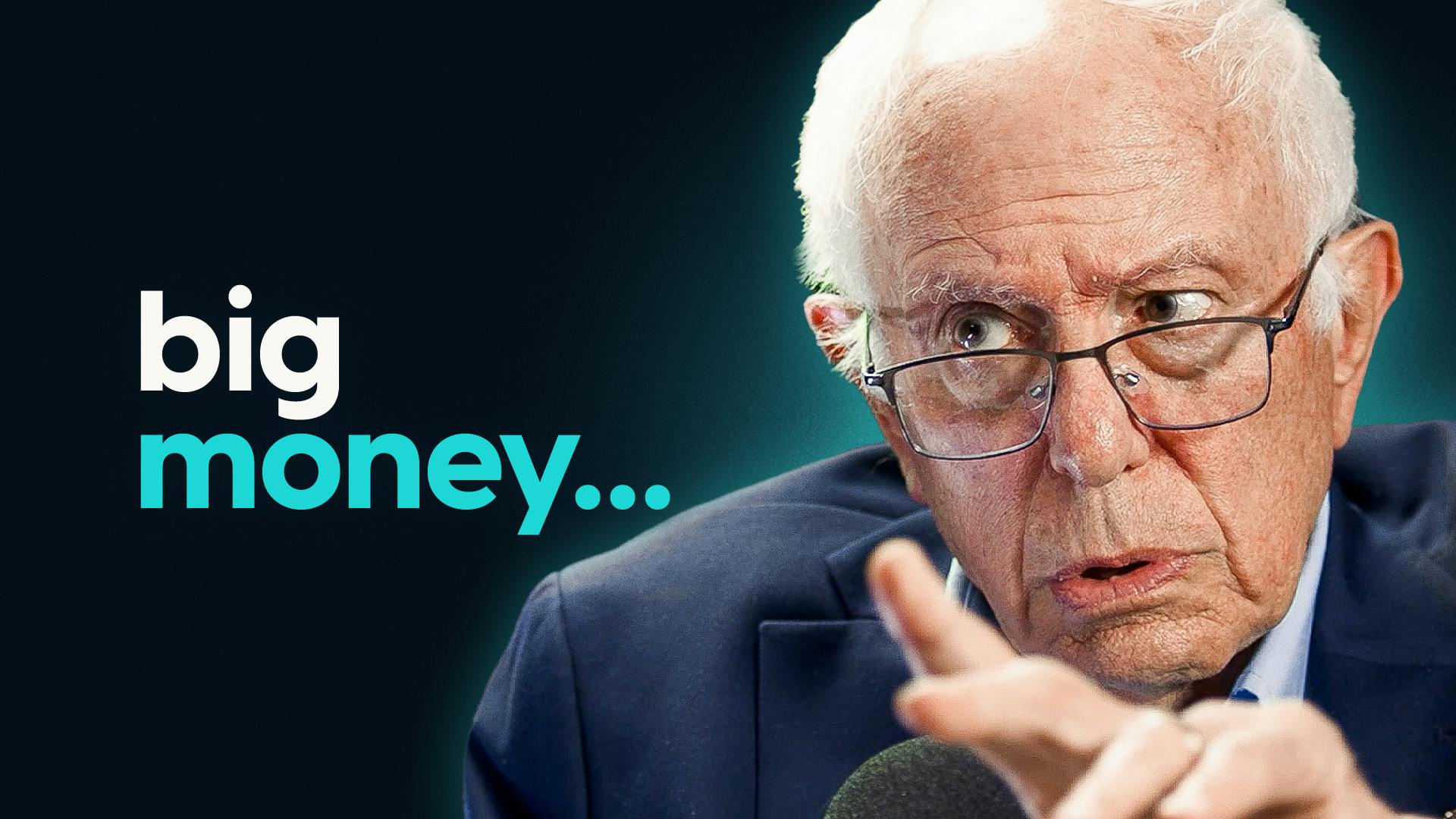
Senator Sanders describes a 'Stalinist type allegiance' within the Republican party, where dissent against Donald Trump is rare. Politicians fear that any criticism will result in them being targeted in primary elections by billionaire-funded challengers, creating a cult of personality that stifles independent thought.
Political allies often remain silent critics until a leader's power begins to wane. The recent increase in Republicans publicly questioning Trump's economic grasp demonstrates this principle. This belated courage is more about political survival and opportunism than genuine conviction, emerging only after the personal risk has subsided.