Get your free personalized podcast brief
We scan new podcasts and send you the top 5 insights daily.
The free market is ruthlessly efficient at pushing commodity service providers to a point of burnout, where they give maximum effort for minimum sustainable pay. To escape burnout, you must escape commoditization by creating a unique, high-value offer.

Related Insights
Burnout isn't a single condition. Emotional exhaustion needs a break (vacation). A lack of self-efficacy requires skill development (upskilling). Cynicism, the hardest to fix, demands rediscovering your 'why' (inspiration). Misdiagnosing the cause leads to ineffective solutions.

The solution to systemic workplace exploitation and burnout is not individual self-help strategies. Author Sarah Jaffe argues that meaningful change in working conditions, hours, and pay has historically been achieved only through collective action, organization, and solidarity, where workers demand better terms together.

The primary threat to a bootstrapped company is not external competition but internal struggle. Burnout, self-doubt, and loss of motivation kill more startups than any market force. Protecting your mental health is a critical business function, not a luxury.

Founders often equate constant hustle with progress, saying yes to every opportunity. This leads to burnout. The critical mindset shift is recognizing that every professional "yes" is an implicit "no" to personal life. True success can mean choosing less income to regain time, a decision that can change a business's trajectory.

Connective labor can be sustaining, not draining. Burnout occurs when the "social architecture" lacks support systems like "sounding boards" for practitioners to process their work. The problem isn't the emotional work itself, but the conditions under which it's performed.
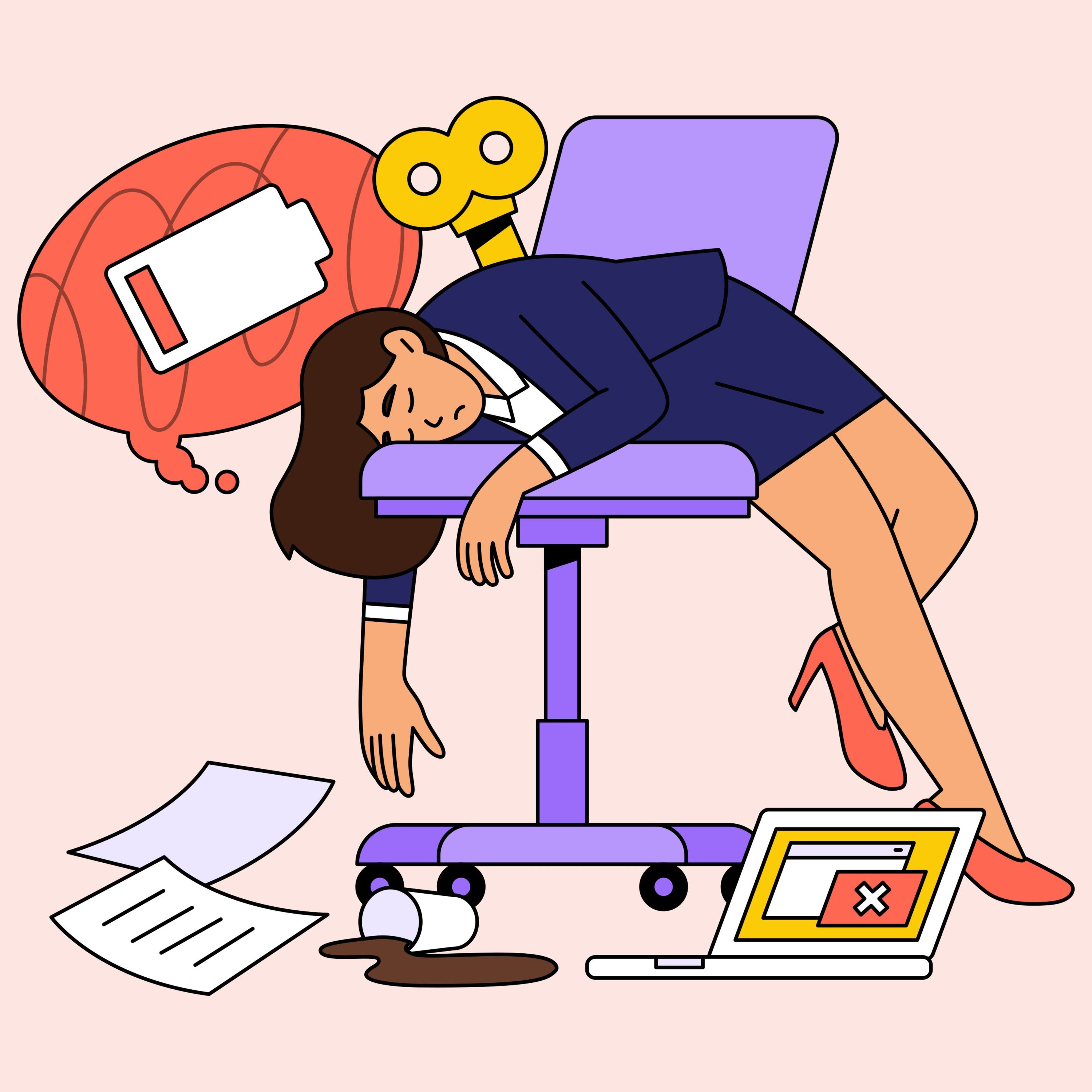
A slow job market has created a new burnout phenomenon: "quiet breaking." Unlike quiet quitting (doing the bare minimum), employees feel trapped in their current roles. They are burning out from working harder than ever in jobs they are unhappy with but cannot easily leave.

If your business stops the moment you do, burnout is an inevitable outcome of a flawed model. Use this exhaustion as a signal to build systems, delegate, or create passive income streams. This shifts the focus from personal endurance to creating a sustainable enterprise that can function without your constant presence.
Simply "servicing" an account by fulfilling orders makes you a replaceable commodity. To become indispensable, you must proactively bring insights and create new growth opportunities for your client. This shifts your role from a reactive vendor to a strategic partner, making you "sticky" and invaluable to their business.

Constantly delivering custom solutions is inefficient and destroys profitability. Instead, define a standardized, repeatable service package that can be sold and delivered consistently, maintaining high margins and simplifying operations.

A coach helping others scale a business they themselves are burned out from is a flawed model. The first step to becoming a better coach is to fix and de-commoditize your own business, which proves the model and provides the confidence to teach and charge more.