Get your free personalized podcast brief
We scan new podcasts and send you the top 5 insights daily.
To ensure lean and efficient governance, the UAE has implemented a "Zero Bureaucracy" program. This initiative is a hard mandate for government departments to cut 50% of their bureaucratic processes year-over-year, forcing continuous improvement, simplification, and a reduction in corruption.

Related Insights
To recruit elite talent capable of running major corporations into public service, the UAE government pays its ministers salaries comparable to the private sector. The rationale is simple: if you want the best talent, you must compete for it financially. As they say, "if you pay peanuts, you get monkeys."
After nearly failing, OpenGov adopted a frugal culture and discovered it grew faster. Less spending reduces system noise and inefficiency. A leaner, more focused sales team, for instance, can become more motivated and effective, leading to better results.

Shift automation from an ad-hoc tech project to a core management responsibility. Mandate that department leads systematically eliminate monotonous tasks, forcing teams to focus exclusively on high-value, strategic work.

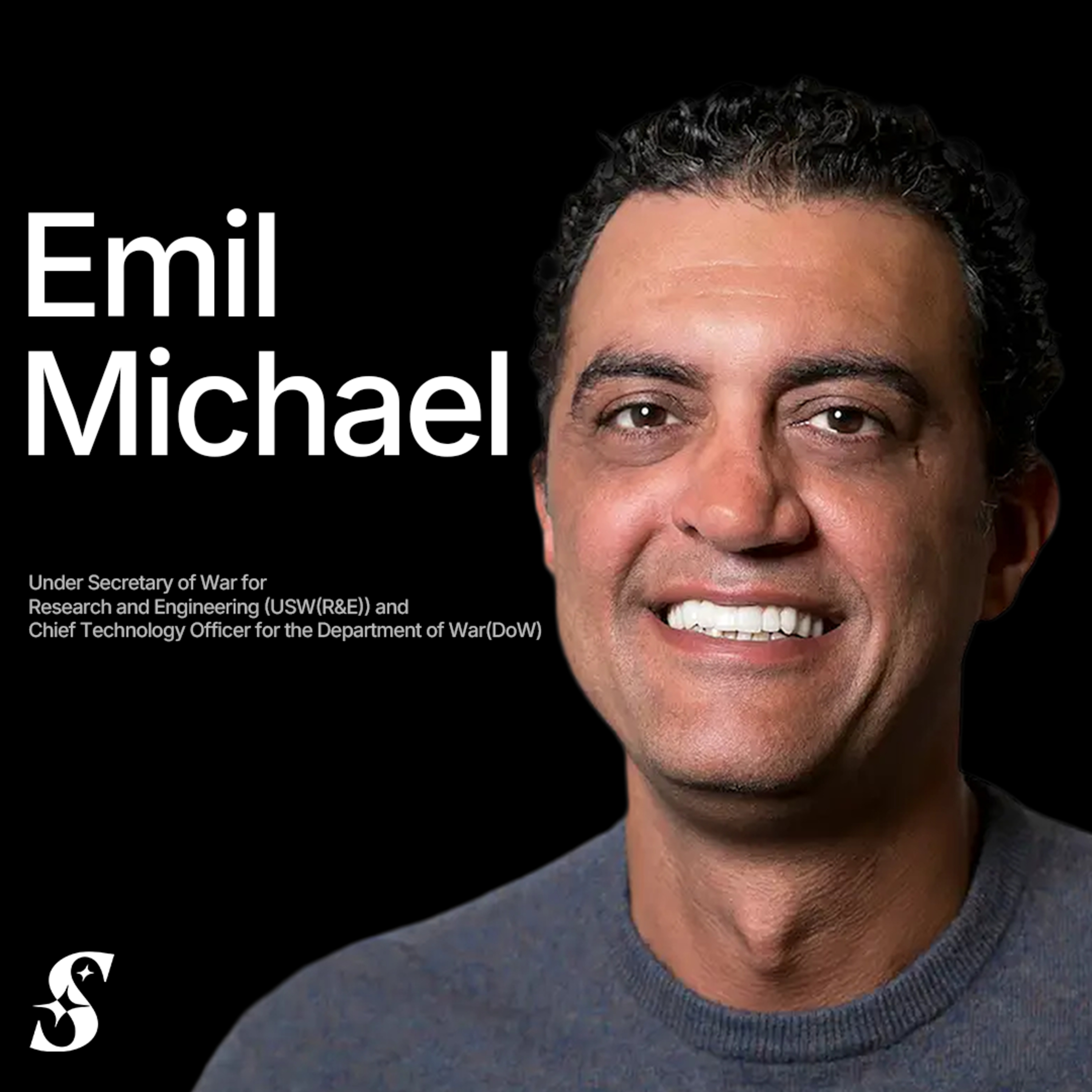
The Under Secretary of War, a former Uber executive, likens his government role to his startup experience. The key parallel is being a "political disruptor" who examines a massive, entrenched bureaucracy like the Department of War with a "clean sheet of paper," questioning existing processes and empowering change from first principles.
Treat government programs as experiments. Define success metrics upfront and set a firm deadline. If the program fails to achieve its stated goals by that date, it should be automatically disbanded rather than being given more funding. This enforces accountability.

An effective government's role is to enhance citizens' quality of life without being an intrusive presence. Dubai's airport smart gates exemplify this: security and processing are handled seamlessly in the background, offering a superior experience without the friction of traditional government interaction.
To maintain a high standard of governance, Dubai's ruler employs a network of "secret shoppers." These individuals blend into the public and provide direct, unfiltered reports on everything from government inefficiency and corruption to identifying promising talent, creating a powerful real-time feedback mechanism.
In siloed government environments, pushing for change fails. The effective strategy is to involve agency leaders directly in the process. By presenting data, establishing a common goal (serving the citizen), and giving them a voice in what gets built, they transition from roadblocks to champions.

Parkinson's Law suggests bureaucracy naturally grows 5-7% annually. To combat this, leaders can measure a "Bureaucracy Mass Index" by tracking wait times and useless activities. This metric turns the fight against bloat into a manageable, health-like goal.
As part of a "simplification and scale" initiative, the firm intentionally reduced committee reporting structures by half. This empowers teams by replacing frequent, heavyweight presentations with a lightweight, semi-annual review process, trusting them to execute against the long-term plan.
