Get your free personalized podcast brief
We scan new podcasts and send you the top 5 insights daily.
The company's goal was never market domination, which felt potentially compromising to its values. Instead, they focused on being the best in product, ethics, and sustainability. Market leadership became a byproduct of this commitment to quality.

Related Insights
Matt O'Hayer's core marketing philosophy was to never "pound our chest and say how great we are." He believed that if a brand stays humble, its customers feel compelled to become its evangelists and tell others how great it is. This creates a more authentic and powerful word-of-mouth engine than any self-promotion could achieve.

When your core product reaches parity with competitors, you can win by delivering 'unreasonable hospitality.' The world's #1 restaurant, unable to beat others on food alone, doubled down on exceptional, personalized service, creating a powerful competitive moat by caring more for customers.
![The power of kindness with Kory Marchisotto [Uncensored Renegades] thumbnail](https://img.transistorcdn.com/VIH3Rn5ET8-eHQxgBGNydnhXL95pc10_Kq7qTpjezuc/rs:fill:0:0:1/w:1400/h:1400/q:60/mb:500000/aHR0cHM6Ly9pbWct/dXBsb2FkLXByb2R1/Y3Rpb24udHJhbnNp/c3Rvci5mbS9zaG93/LzQ3MzEvMTU3MDAz/MjQ3NC1hcnR3b3Jr/LmpwZw.jpg)
Taza's founders established a mission and core values like "True Grit" and "Seriously Bold" at the very beginning. They attribute their longevity and ability to navigate crises directly to these principles, noting that their biggest business stumbles happened whenever they deviated from this North Star.
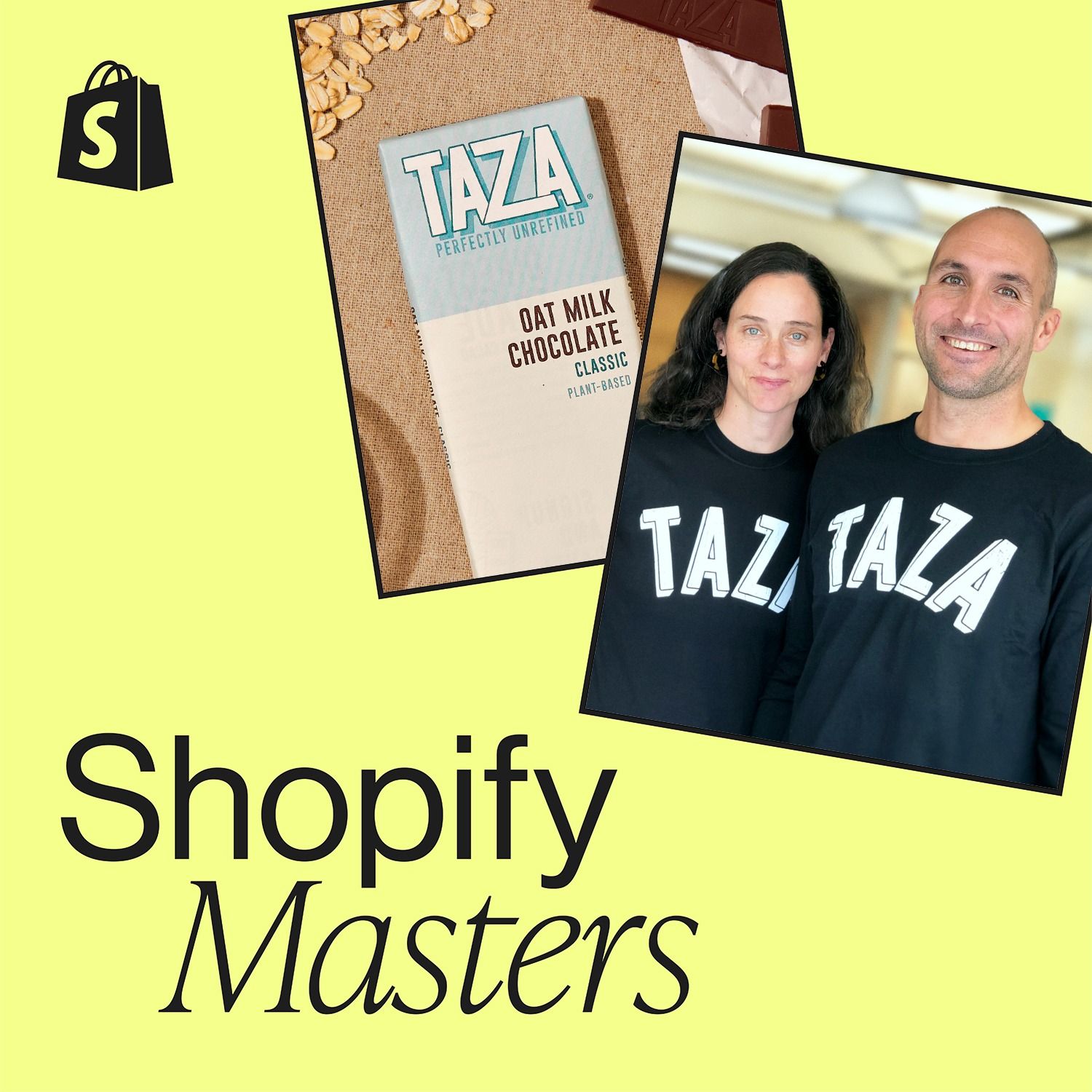
Taza's attempts to go mass-market with lower prices or "fun flavors" failed. They found success by listening to their core customers who wanted intense cacao flavor. Their #1 selling product, a 95% dark bar, proved the value of doubling down on their super-niche identity.
Taza resisted the huge trend of sugar-free chocolate because they couldn't create a version that met their high flavor standards. By refusing to compromise their core product principles, they maintained brand integrity, which was validated when consumer preference swung back to "real" ingredients.
Instead of mass-market appeal, La Colombe focused on becoming the coffee supplier for the world's best restaurants. They believed that if they could win over the most discerning palates, their reputation for quality would cascade down to the general public, creating an unassailable brand.
Blank Street's strategy is to target 'satisficers,' not 'maximizers.' By deliberately aiming for a 'B-plus' quality instead of perfection, the company avoids the high costs and diminishing returns of chasing excellence, allowing for rapid, profitable scaling in the mass market.

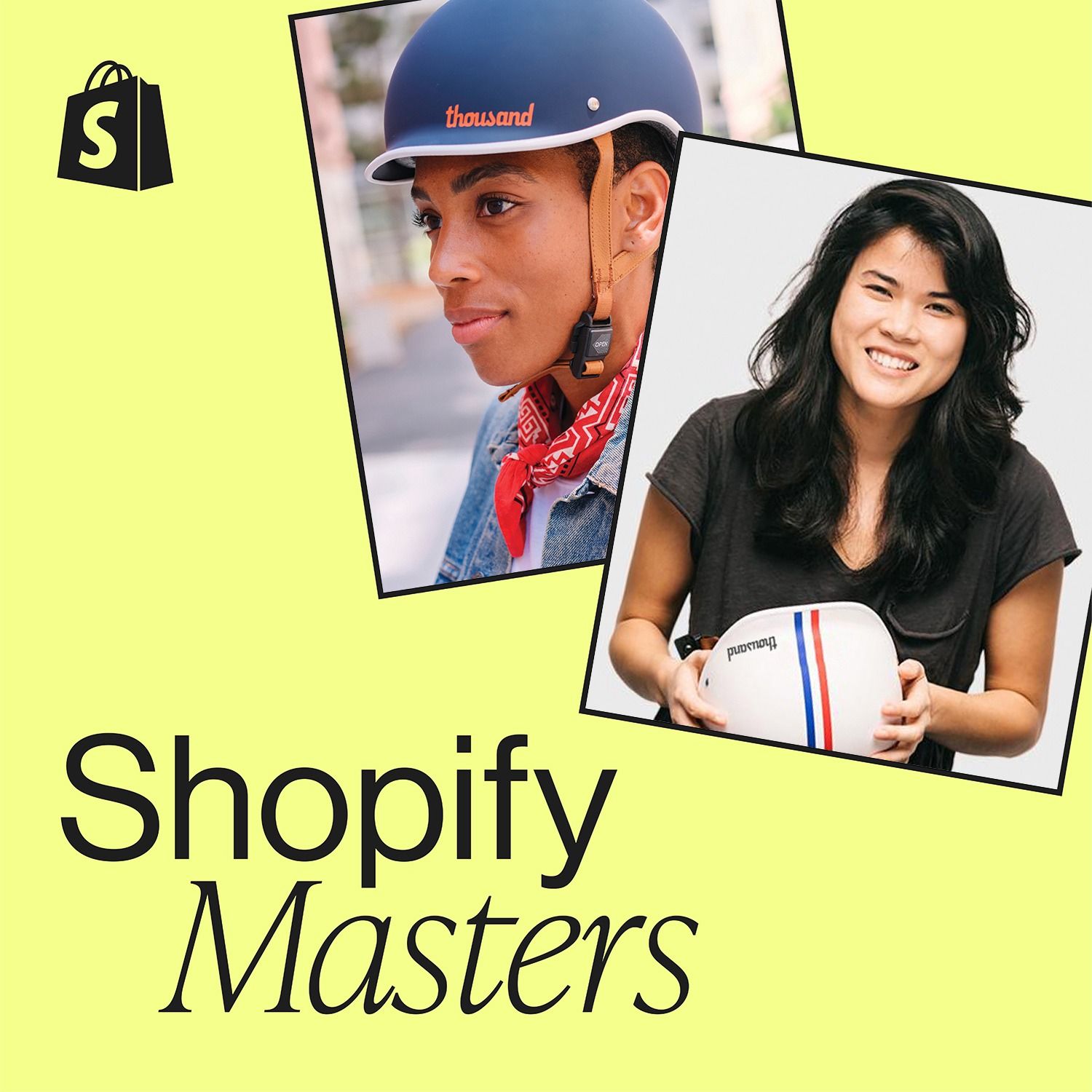
When larger competitors launched "Thousand Killer" copycat products, the founder resisted competing on price or features. Instead, she doubled down on deep customer insights and brand differentiation, moving further away from the competition. This proved more effective than engaging in a feature or price war, reinforcing their market position.
Taza pioneered "Direct Trade Cacao" but instead of guarding it as a trade secret, they openly shared the model. This encouraged competitors to adopt similar ethical sourcing practices, which helped build consumer trust and grow the entire premium chocolate market, benefiting Taza as a market leader.
Hamdi Ulukaya attributes Chobani's success in scaling without sacrificing product quality to his extreme operational commitment. For years, he rarely left the factory floor, ensuring standards were met firsthand. This underscores the value of deep, physical immersion for leaders in manufacturing and operations.