Get your free personalized podcast brief
We scan new podcasts and send you the top 5 insights daily.
Sam Altman suggests AI will create a new form of entertainment on the spectrum between passive movies and intense games. Experiences will be more interactive than a film but less demanding than a typical video game, allowing users to lean back while also having moments of creative input.

Related Insights
Today's dominant AI tools like ChatGPT are perceived as productivity aids, akin to "homework helpers." The next multi-billion dollar opportunity is in creating the go-to AI for fun, creativity, and entertainment—the app people use when they're not working. This untapped market focuses on user expression and play.

Don't view generative AI video as just a way to make traditional films more efficiently. Ben Horowitz sees it as a fundamentally new creative medium, much like movies were to theater. It enables entirely new forms of storytelling by making visuals that once required massive budgets accessible to anyone.

People increasingly consume real-life events as passive entertainment. AI can economically enable mass-market interactive media where user choices create different outcomes. This could help teach that the future is contingent on our collective decisions, not a pre-written script to be watched.
Sam Altman argues the AI vs. human content debate is a false dichotomy. The dominant creative form will be a hybrid where humans use AI as a tool. Consumers will ultimately judge content on its quality and originality ('is it slop?'), not on its method of creation.
When Good Star Labs streamed their AI Diplomacy game on Twitch, it attracted 50,000 viewers from the gaming community. Watching AIs make mistakes, betray allies, and strategize made the technology more relatable and less intimidating, helping to bridge the gap between AI experts and the general public.
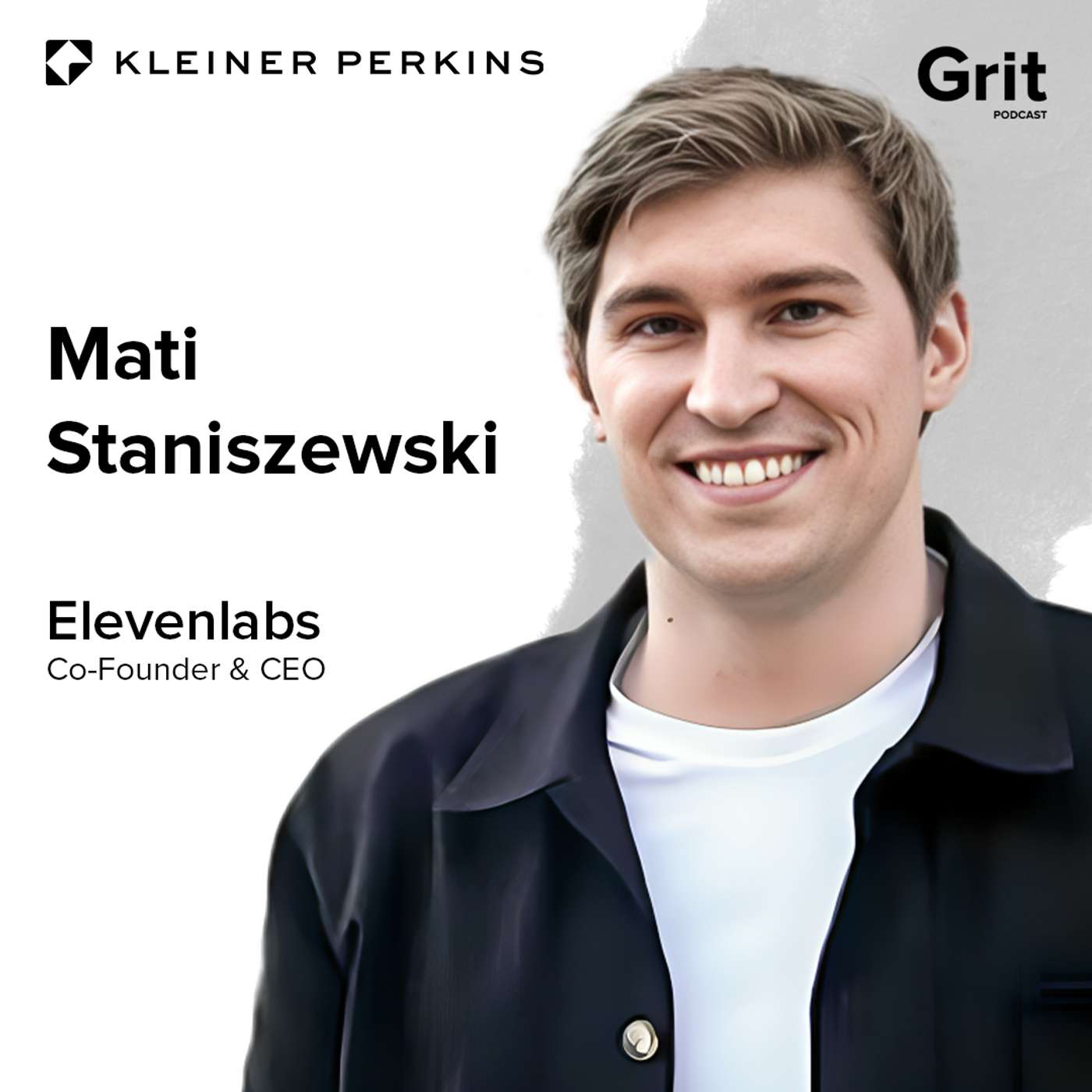
ElevenLabs' CEO predicts AI won't enable a single prompt-to-movie process soon. Instead, it will create a collaborative "middle-to-middle" workflow, where AI assists with specific stages like drafting scripts or generating voice options, which humans then refine in an iterative loop.
The future of media is not just recommended content, but content rendered on-the-fly for each user. AI will analyze micro-behaviors like eye movement and swipe speed to generate the most engaging possible video in that exact moment. The algorithm will become the content itself.

The OpenAI team believes generative video won't just create traditional feature films more easily. It will give rise to entirely new mediums and creator classes, much like the film camera created cinema, a medium distinct from the recorded stage plays it was first used for.

Many users of generative AI tools like Suno and Midjourney are creating content for their own enjoyment, not for professional use. This reveals a 'creation as entertainment' consumer behavior, distinct from the traditional focus on productivity or job displacement.

Beyond providing expert advice to all, AI combined with VR/Neuralink could make unique life experiences—like adventure and exploration—scalable and accessible to everyone. This could collapse one of the biggest differentiators between the haves and have-nots: access to experiences.