Get your free personalized podcast brief
We scan new podcasts and send you the top 5 insights daily.
A viral video of a 7-year-old crying with joy over Bulldog Ramen reveals how Gen Alpha forms brand attachments. For them, products are cultural artifacts and identity markers, with loyalty forged through emotional, viral social media moments, making platforms like TikTok a primary marketing battleground.

Related Insights
"Culture" is often used too broadly. Brands should focus on "Little C" culture by tapping into existing pillars like music or sports. "Big C" culture—macro societal shifts—is a rare feat achievable only by platform-level brands like TikTok.

Retail buyers are actively monitoring TikTok for viral brands. Achieving virality can bypass traditional, costly slotting fees, as retailers like Target will dedicate shelf space to trending products, confident that the online buzz will drive high in-store sell-through.

The "candy salad," a consumer-driven trend on TikTok to combat candy inflation, was quickly adopted and productized by Ferrara (owner of Nutella) with a dedicated kit. This shows how major CPG brands now monitor social platforms to rapidly identify and capitalize on organic consumer behavior.
Brand love is often less about the product and more about what it symbolizes about the consumer. In an era of 'hyper-identity,' brands become signals people use to communicate their personal values and nuances. Marketing should focus on what the brand says about its user.
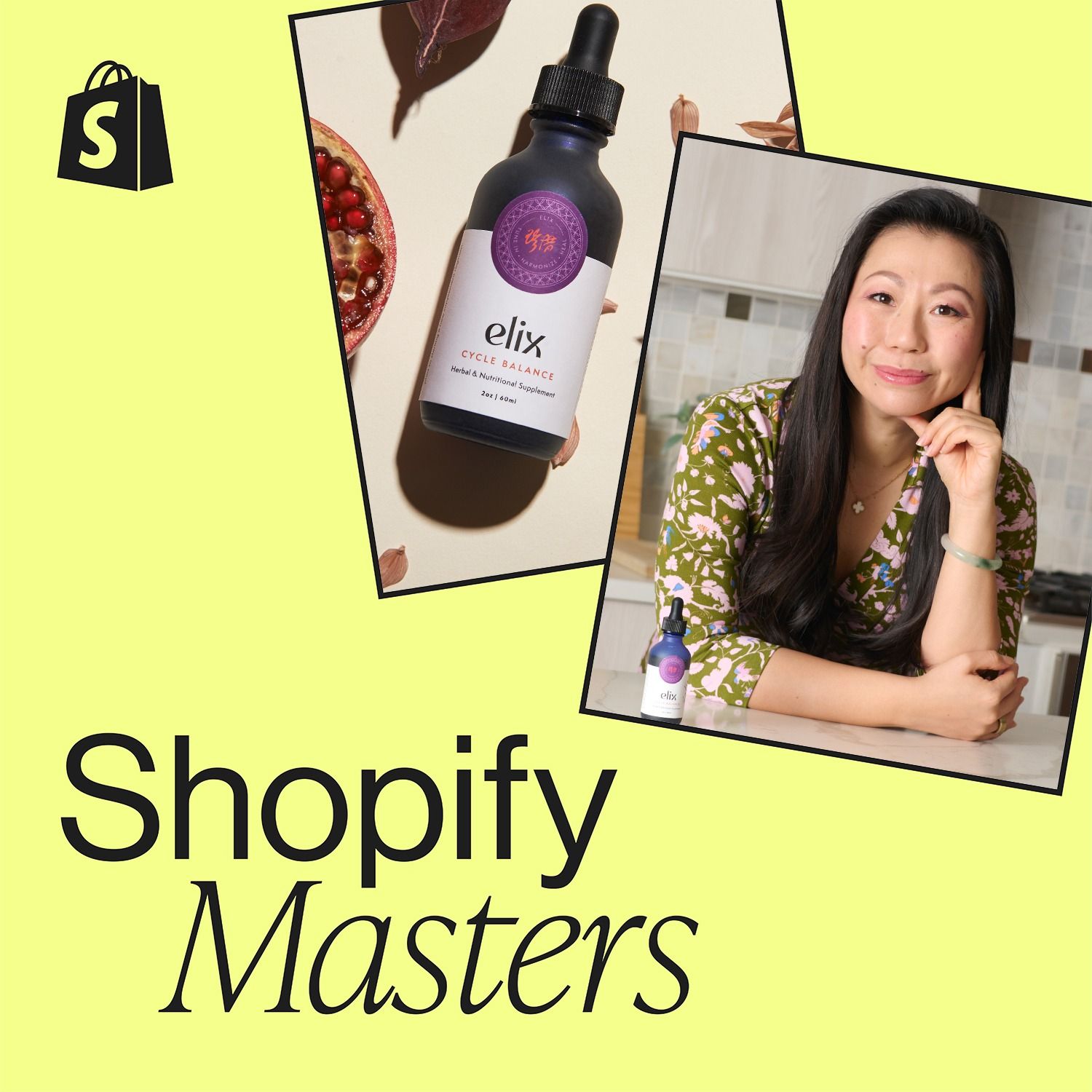
Elix founder Lulu Ge's authentic, personal TikTok videos, initially an experiment, became a key acquisition channel. Customers acquired through her organic content have the highest lifetime value (LTV), demonstrating the power of founder-led content in building deep brand connection and loyalty.
South Korean ramen company Bulldog dominates the Gen Alpha market not with just flavor, but with an extreme brand position. By creating a product so spicy it gets banned in some countries, it transforms eating into a viral challenge, proving there is immense opportunity at the furthest ends of a market spectrum.
The pinnacle of branding is achieving "tribal belonging." At this stage, customers don't just consume the brand; they co-own it and become its most powerful advocates. The brand's community can sustain its power even in the absence of the core product.

Frito-Lay's Flamin' Hot brand moves beyond simple influencer marketing by studying and collaborating with obsessed subcultures. This approach informs not only marketing campaigns, like a song with Megan Thee Stallion, but also its core product innovation pipeline, making marketing a byproduct of deep cultural integration.
Collectibles have evolved beyond niche hobbies into a mainstream communication tool, similar to fashion or luxury cars. Consumers use them to signal identity, tribal affiliation, and status. Brands can leverage this behavior to build deeper connections and create a sense of community.

The next marketing wave isn't chasing viral trends, which builds trend recall but not brand recall. Instead, brands must create immersive, episodic 'worlds' that function as standalone entertainment. This shifts the goal from grabbing attention to holding it through compelling, serialized content.
