Get your free personalized podcast brief
We scan new podcasts and send you the top 5 insights daily.
South Korean ramen company Bulldog dominates the Gen Alpha market not with just flavor, but with an extreme brand position. By creating a product so spicy it gets banned in some countries, it transforms eating into a viral challenge, proving there is immense opportunity at the furthest ends of a market spectrum.

Related Insights
Nutter Butter, a 55-year-old brand, successfully engaged a younger audience by embracing absurdist, meme-style humor. This risky strategy, while potentially alienating some, is effective for generating deep brand love because it requires taking a bold, creative stand.
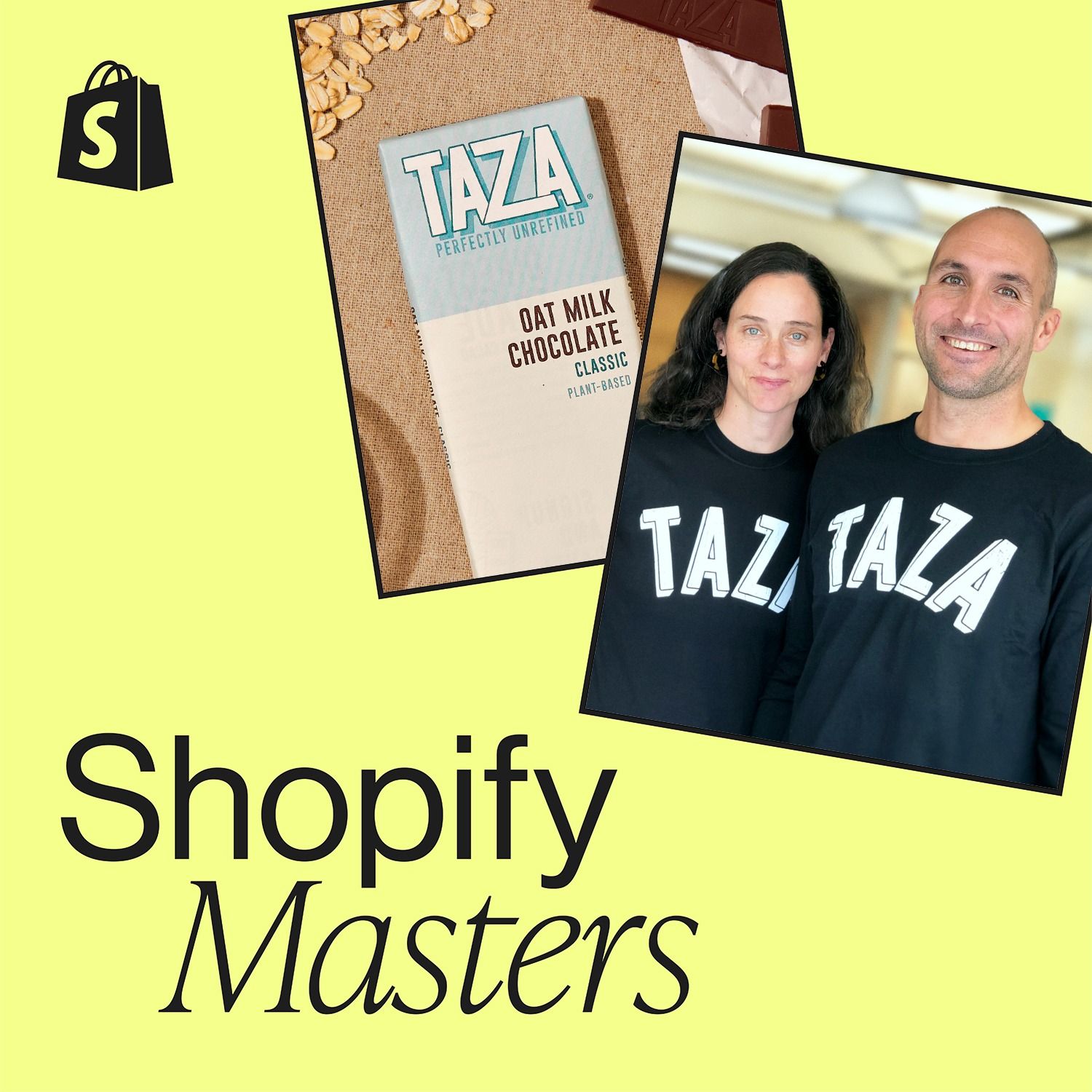
In a market dominated by corporations, Taza found a defensible niche by making a "polarizing" stone-ground chocolate. This strategy of appealing intensely to a core group, rather than pleasing the mass market, was key to their survival and success as a small business.
By launching a beer so strong (30% ABV) that it is illegal in 15 states, Sam Adams creates an aura of exclusivity and rebellion. This "banned" status generates significant earned media and attracts connoisseurs, turning a product limitation into a powerful marketing tool that reinforces the brand's craft credentials.
A ban on a product or activity, like pickleball, can generate significant positive attention and increase consumer demand. By making something feel rebellious or forbidden, a ban creates an allure that traditional marketing can't replicate, as seen with brands like Uber and Red Bull.
David Chang explains that while food service is inherently unscalable, high-end, exclusive dining experiences are scaling. The scarcity, amplified by social media, creates massive demand and "cultural currency," allowing these unique businesses to expand and increase prices, creating a barbell effect in the market.

A viral video of a 7-year-old crying with joy over Bulldog Ramen reveals how Gen Alpha forms brand attachments. For them, products are cultural artifacts and identity markers, with loyalty forged through emotional, viral social media moments, making platforms like TikTok a primary marketing battleground.
Frito-Lay's Flamin' Hot brand moves beyond simple influencer marketing by studying and collaborating with obsessed subcultures. This approach informs not only marketing campaigns, like a song with Megan Thee Stallion, but also its core product innovation pipeline, making marketing a byproduct of deep cultural integration.
A social media trend, like the 'Dubai chocolate' flavor, transitions from a fleeting fad to a bankable opportunity when embraced by multiple large companies like Starbucks and Shake Shack. Their simultaneous adoption signals genuine, widespread consumer demand worth investing in.

The surge in pickle-flavored items reflects a broader consumer trend, particularly with Gen Z, toward provocative flavor combinations that generate viral social media content. This shift promotes foods from simple condiments to standalone experiences, driven by their potential for digital engagement.
Instead of sticking to planned marketing for a new burger, Chili's social team noticed an organic TikTok trend around their Triple Dipper appetizer. By "pouring gas on the fire" with influencers, they turned a fan-driven behavior into a massive growth driver, proving the value of marketing agility.
