Get your free personalized podcast brief
We scan new podcasts and send you the top 5 insights daily.
In a rapidly changing industry, it is better to advocate for your genuine beliefs and risk career setbacks than to silently comply with outdated corporate strategies. You are more likely to lose professionally in the long run by saying things you don't believe.

Related Insights
Clients often say they want an agency to “push” them but then resist progressive recommendations. Vaynerchuk coaches his team not to “fold like cheap chairs” when challenged. The ideal client has a genuine appetite for change, not just one who pays lip service to it.
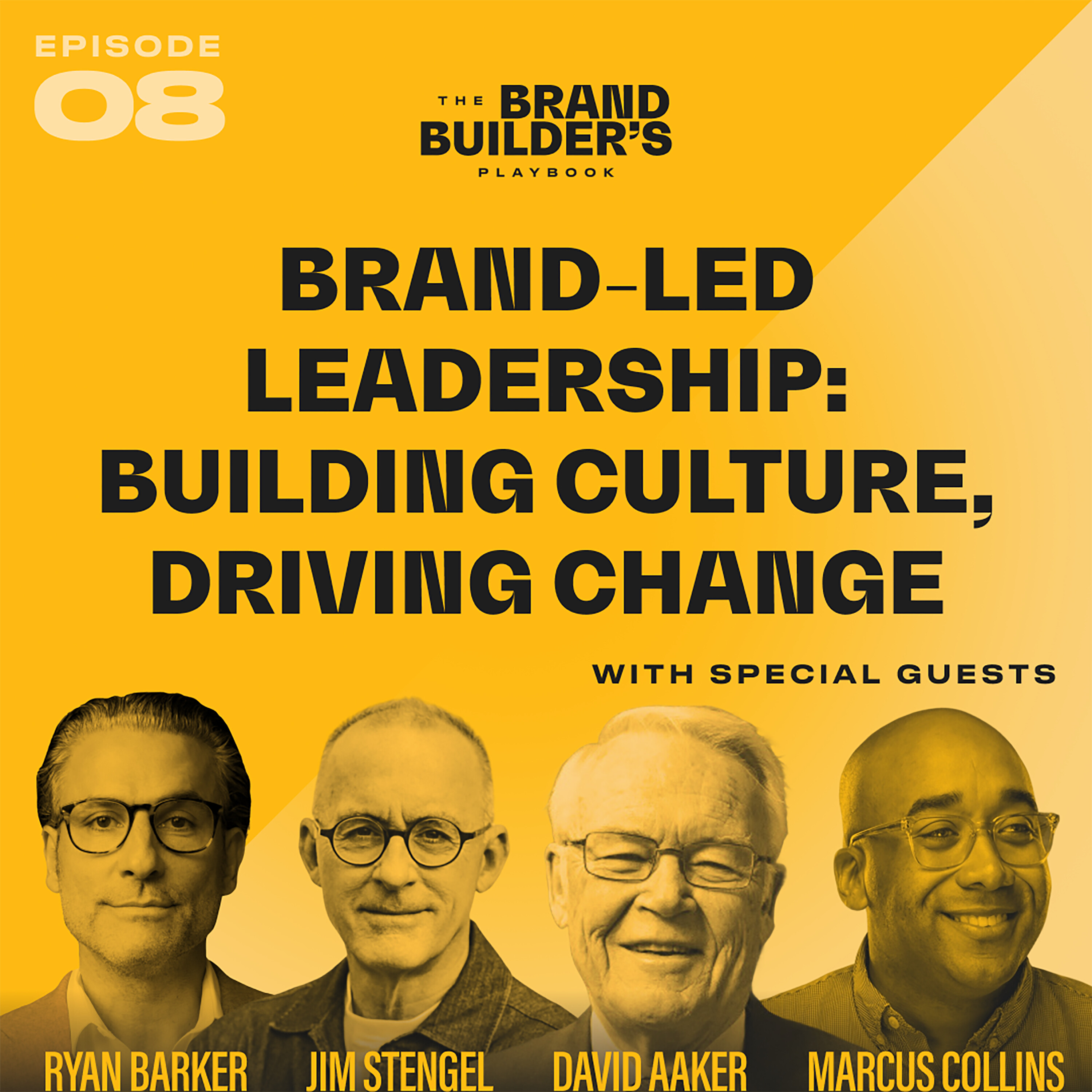
Marketing professor Marcus Collins argues that the true test of brand leadership isn't crafting a purpose statement, but adhering to it when faced with challenges or pressure on shareholder value. Many leaders evangelize their brand's point of view only when convenient, which ultimately undermines authenticity.
The directive to 'stay in your lane' is often used to silence dissent. Counter this by expanding your definition of your lane beyond your industry expertise (e.g., marketing) to include your fundamental values (e.g., empowering women). This reframes speaking out as staying true to your authentic mission.

Gary Vaynerchuk was told to stop cursing and dress formally to be taken seriously. He refused, and eventually, the business world's norms shifted to accept his style. This shows that if your substance and skill are strong enough, you shouldn't compromise your authentic self to fit in. Be so good the world adapts to you.
In large organizations with flawed measurement systems, effective marketing requires the courage to challenge the status quo. The best marketers are not afraid to lose their jobs by advocating for consumer truth over internal politics and flawed legacy systems.
Conventional, consensus-driven marketing seems safe but ensures your brand never cuts through the noise. To stand out and create something differentiated, marketers must be courageous and fight against mediocrity, even if it feels riskier in the short term.

In many corporate cultures, speaking against the "party line" is a career-limiting move. This tactic silences dissent by equating disagreement with a lack of commitment, forcing individuals to either conform or prepare their resume.

Early in his career, Gary Vaynerchuk was told his casual dress and cursing would hold him back. By refusing to change, he built an authentic brand. Over time, professional culture shifted to meet him, proving authenticity is a winning long-term strategy.
When deciding whether to speak on controversial issues, leaders often fear alienating customers. Padma Lakshmi reframes this choice: the risk of losing your soul and personal integrity by staying silent should be a greater fear than the potential loss of business. This prioritizes long-term identity over short-term financial concerns.
Corporate culture often incentivizes conformity. However, true growth requires being a 'growth rebel'—someone with big ideas who can mobilize the organization, even if it means challenging the status quo. In today's market, playing it safe is the biggest risk.
