Get your free personalized podcast brief
We scan new podcasts and send you the top 5 insights daily.
In large organizations with flawed measurement systems, effective marketing requires the courage to challenge the status quo. The best marketers are not afraid to lose their jobs by advocating for consumer truth over internal politics and flawed legacy systems.

Related Insights
Marketers mistakenly define their value by function ("Capital M" marketing like ads). Their greater, untapped value is their way of thinking ("small m" marketing): a deep understanding of human perception and customer perspective, which has applications far beyond the marketing department.

Marketing professor Marcus Collins argues that the true test of brand leadership isn't crafting a purpose statement, but adhering to it when faced with challenges or pressure on shareholder value. Many leaders evangelize their brand's point of view only when convenient, which ultimately undermines authenticity.
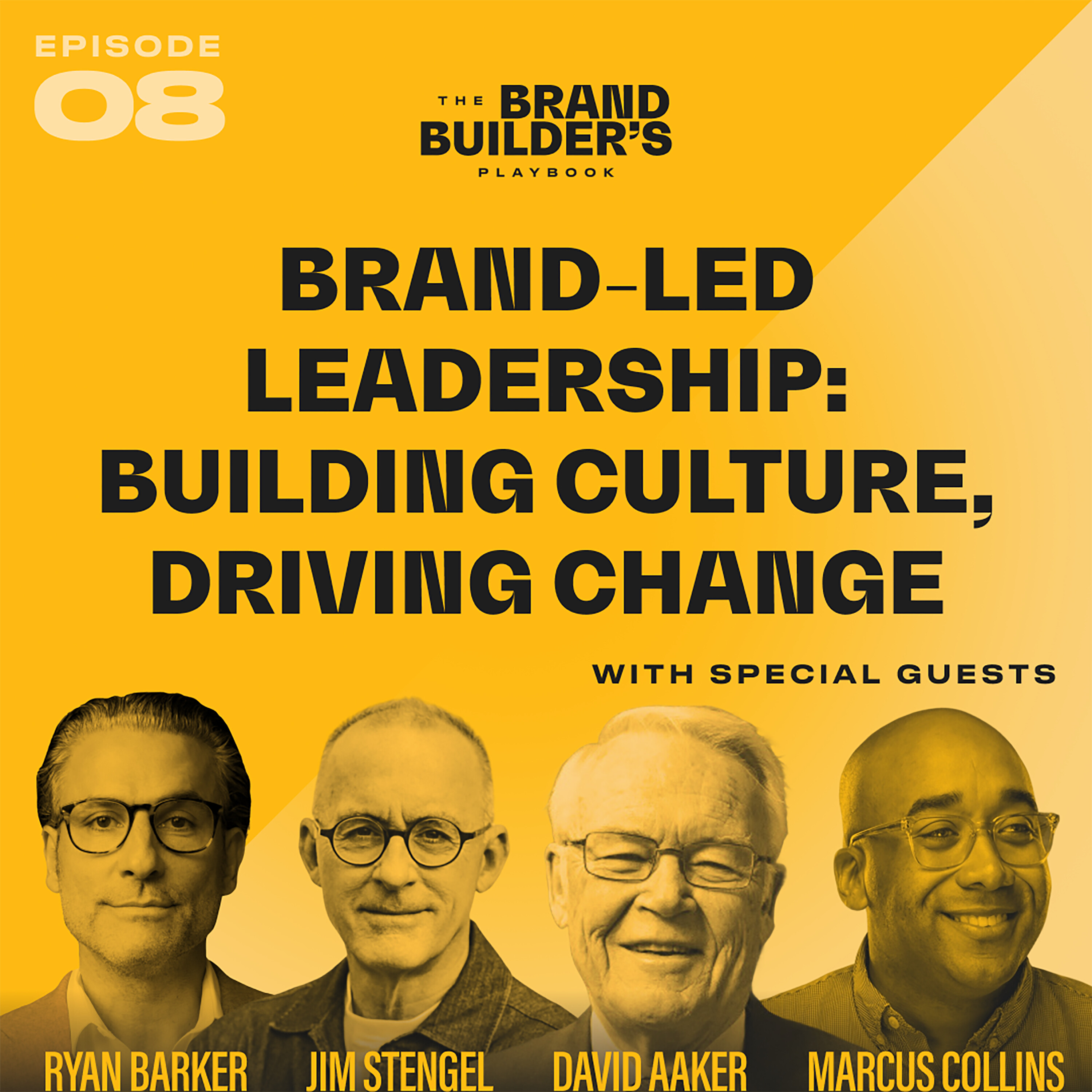
To stand out, marketers must take a sharp point of view. Autodesk's CMO advises creating "healthy tension" by opining on topics core to the brand's credibility. This avoids "toxic tension" from speaking on irrelevant issues, which leads to damaging blowback. Without tension, there is no greatness.
Companies often over-invest in safe, committee-approved ideas that yield minimal results. The real financial danger lies in the missed opportunity of bolder, seemingly riskier campaigns that are more likely to capture consumer attention and drive growth.
Conventional, consensus-driven marketing seems safe but ensures your brand never cuts through the noise. To stand out and create something differentiated, marketers must be courageous and fight against mediocrity, even if it feels riskier in the short term.

Breakthrough campaigns like KFC's "FCK" apology aren't random acts of courage; they are the result of years of building trust and proving results. CMOs must earn the right to be bold through consistent, smaller wins ("three-point shots") that build credibility with the board and C-suite over time.
![Why you need to know your e.l.f.ing numbers with Kory Marchisotto [Uncensored Renegades] thumbnail](https://img.transistorcdn.com/26qfoz7hFm2pva8nC1NvuTOrbTndCNI1cWQmLXEY_W0/rs:fill:0:0:1/w:1400/h:1400/q:60/mb:500000/aHR0cHM6Ly9pbWct/dXBsb2FkLXByb2R1/Y3Rpb24udHJhbnNp/c3Rvci5mbS8zY2Zk/YTM5OWVmNjE0Njcw/NjFlMTBhYWE1OGNm/Y2Y0NS5wbmc.jpg)
A CMO's key function isn't just advertising but acting as the internal voice of the customer. This requires creating planned "mutiny" with data to shake the organization out of stagnation and force it to adapt to market realities before it becomes irrelevant.
Instead of operating within the confines of a marketing department, marketers should adopt the mindset of the CEO. This means focusing on how to change the customer's mind to achieve the company's ultimate goals, rather than getting bogged down in departmental tactics. This approach leads to more influential and strategic work.
The most impactful marketers adopt a founder's mindset by constantly asking if their decisions align with the CEO or CFO's perspective on profitable growth. This leads to creating "boring" — repeatable and consistent — systems, rather than chasing new, shiny projects every quarter.

Instead of defending every marketing program, leaders gain credibility by having the humility to use data to surface what's broken. Admitting a channel is a resource drain builds trust, leads to smarter strategic decisions, and ultimately accelerates a senior marketer's career.
