Get your free personalized podcast brief
We scan new podcasts and send you the top 5 insights daily.
Businesses can adapt to stable, even unfavorable, policies. However, constant, unpredictable policy changes create an environment of ambient chaos where long-term capital investment is impossible. The lack of continuity, not the specific tariffs, is the primary reason industrial construction spending has turned negative.

Related Insights
Former Fed Vice Chair Alan Blinder suggests businesses were hesitant to pass tariff-related costs to consumers because of constant policy changes. This uncertainty over the final tariff rate, while bad for investment, paradoxically suppressed the immediate inflationary impact many economists expected.

A surge in IPOs and M&A isn't driven by pro-business policies, but by a reduction in policy uncertainty. With a clearer, albeit more interventionist, landscape, companies have the confidence to execute major strategic plans they had previously postponed.

The current labor market is in a state of paralysis, described as a "deer in the headlights" moment. Businesses, facing extreme uncertainty from tariffs and policy shifts, have frozen both hiring and layoffs. This creates a stagnant, low-dynamism environment where both employers and employees are cautiously waiting.
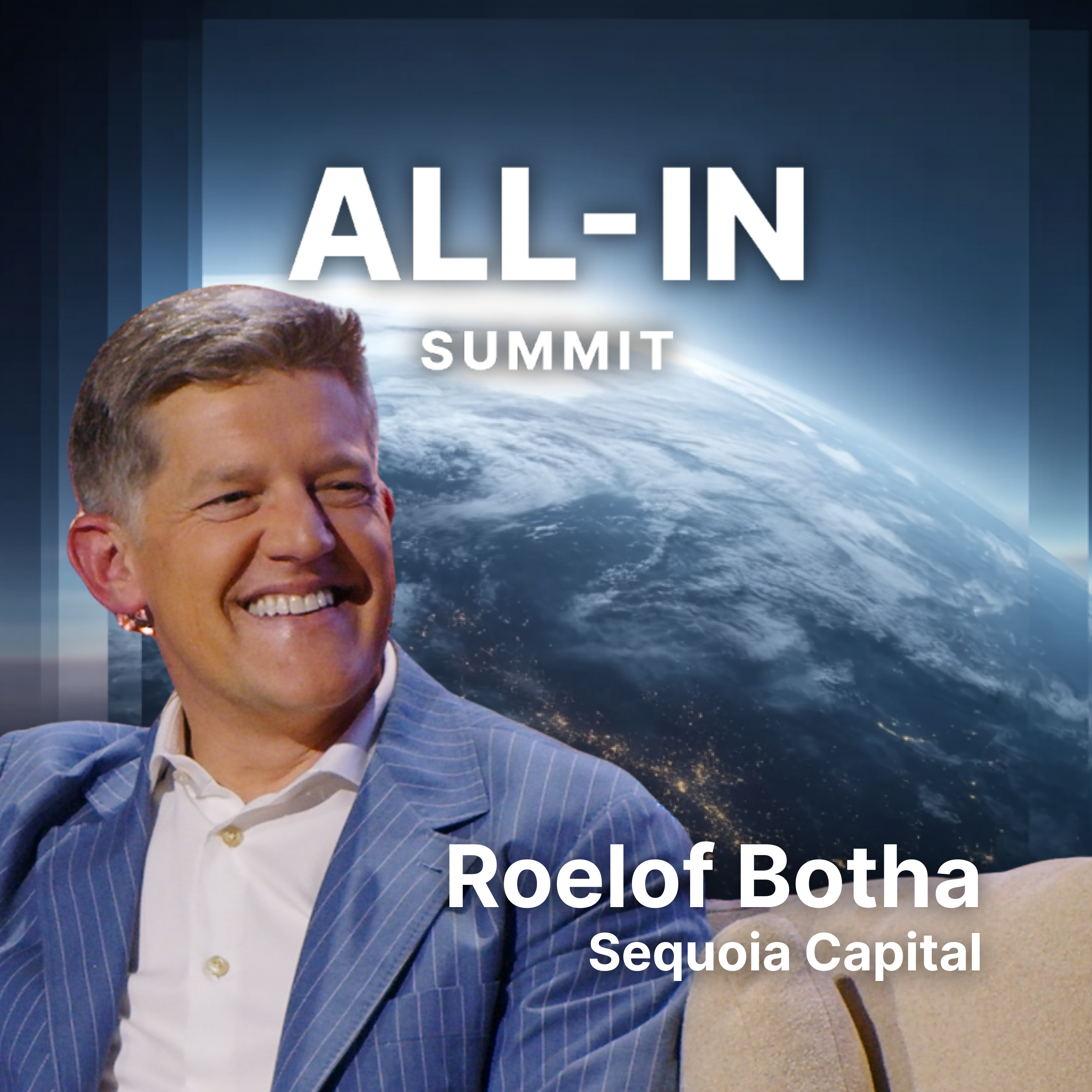
The number of startups founded in China dropped from 51,000 in 2018 to just 1,200 in 2023, a 98% decrease. Roelof Botha attributes this collapse to unpredictable government regulations that stifle entrepreneurial risk-taking, serving as a warning for how policy could impact innovation elsewhere.
Given that trade policy can shift unpredictably, rushing to execute multi-year supply chain changes is a high-risk move. According to Flexport's CEO, staying calm and doing nothing can be a radical but wise action until the policy environment stabilizes and provides more clarity.
Businesses respond to the uncertainty of trade policy by adopting an "efficiency mindset." Rather than hiring, which carries risks in an uncertain environment, firms are making "no regrets" investments in automation and efficiency. These improvements provide benefits regardless of future tariff levels, making them a safer bet than expanding payroll.

The proposal to levy tariffs and then issue rebate checks is economically nonsensical. It creates massive bureaucratic leakage, making it more efficient to simply not have the tariffs. Furthermore, the policy uncertainty paralyzes businesses, creating non-economic costs that are more damaging than the direct financial impact of the tariffs.
Because U.S. tariff levels are likely to remain stable regardless of legal challenges, the more critical factor for the long-term outlook is how companies adapt. Investors should focus on corporate responses in capital spending and supply chain adjustments rather than the tariff levels themselves.
The traditional relationship where economic performance dictated political outcomes has flipped. Now, political priorities like tariff policies, reshoring, and populist movements are the primary drivers of economic trends, creating a more unpredictable environment for investors.

While a single tariff hike is a one-time price shock, a policy of constantly changing tariffs can become a persistent inflationary force. The unpredictability de-anchors inflation expectations, as businesses and consumers begin to anticipate a continuous series of price jumps, leading them to adjust wages and prices upwards in a self-reinforcing cycle.