Get your free personalized podcast brief
We scan new podcasts and send you the top 5 insights daily.
Circumvent the limitations of a single AI model, like GLM 5.2's lack of vision, by using a multi-capable model like Opus 4.8 to first analyze an image and describe it. Then, feed that text description to the more cost-effective GLM 5.2 to perform the required coding or execution task.

Related Insights
A powerful workflow involves using a generalist AI like Claude Opus for initial brainstorming and prompt creation. This refined prompt is then fed to a specialized model like Claude Code for the actual development task, leading to better and more structured results.

Use a highly intelligent model like Opus for high-level planning and a more diligent, execution-focused model like a GPT-Codex variant for implementation. This 'best of both worlds' approach within a model-agnostic harness leads to superior results compared to relying on a single model for all tasks.

Sophisticated users are moving beyond single-model setups. An optimal strategy involves using Anthropic's Opus 4.7 for its superior high-level planning capabilities and then handing off execution to OpenAI's GPT-5.5. This multi-model approach leverages the distinct strengths of each platform, widening the performance gap against any 'mono-model' workflow.

An effective cost-saving strategy for agentic workflows is to use a powerful model like Claude Opus to perform a complex task once and generate a detailed 'skill.' This skill can then be reliably executed by a much cheaper and faster model like Sonnet for subsequent use.

Maintain a single, unified AI interface but give it the ability to invoke other models as specialized agents. For example, use a primary model like Claude for general tasks but have it automatically call a model like GPT-5.5, which excels at security analysis, to review its own code output.
The comparison reveals that different AI models excel at specific tasks. Opus 4.5 is a strong front-end designer, while Codex 5.1 might be better for back-end logic. The optimal workflow involves "model switching"—assigning the right AI to the right part of the development process.
When stuck on a complex 3D coding problem in v0, Guillermo Rauch queried other language models to understand the underlying issues. He then copied their explanations and solutions back into v0 as context, effectively using one AI as an expert consultant to better instruct another.
To optimize AI agent costs and avoid usage limits, adopt a “brain vs. muscles” strategy. Use a high-capability model like Claude Opus for strategic thinking and planning. Then, instruct it to delegate execution-heavy tasks, like writing code, to more specialized and cost-effective models like Codex.
To optimize costs, users configure powerful models like Claude Opus as the 'brain' to strategize and delegate execution tasks (e.g. coding) to cheaper, specialized models like ChatGPT's Codec, treating them as muscles.
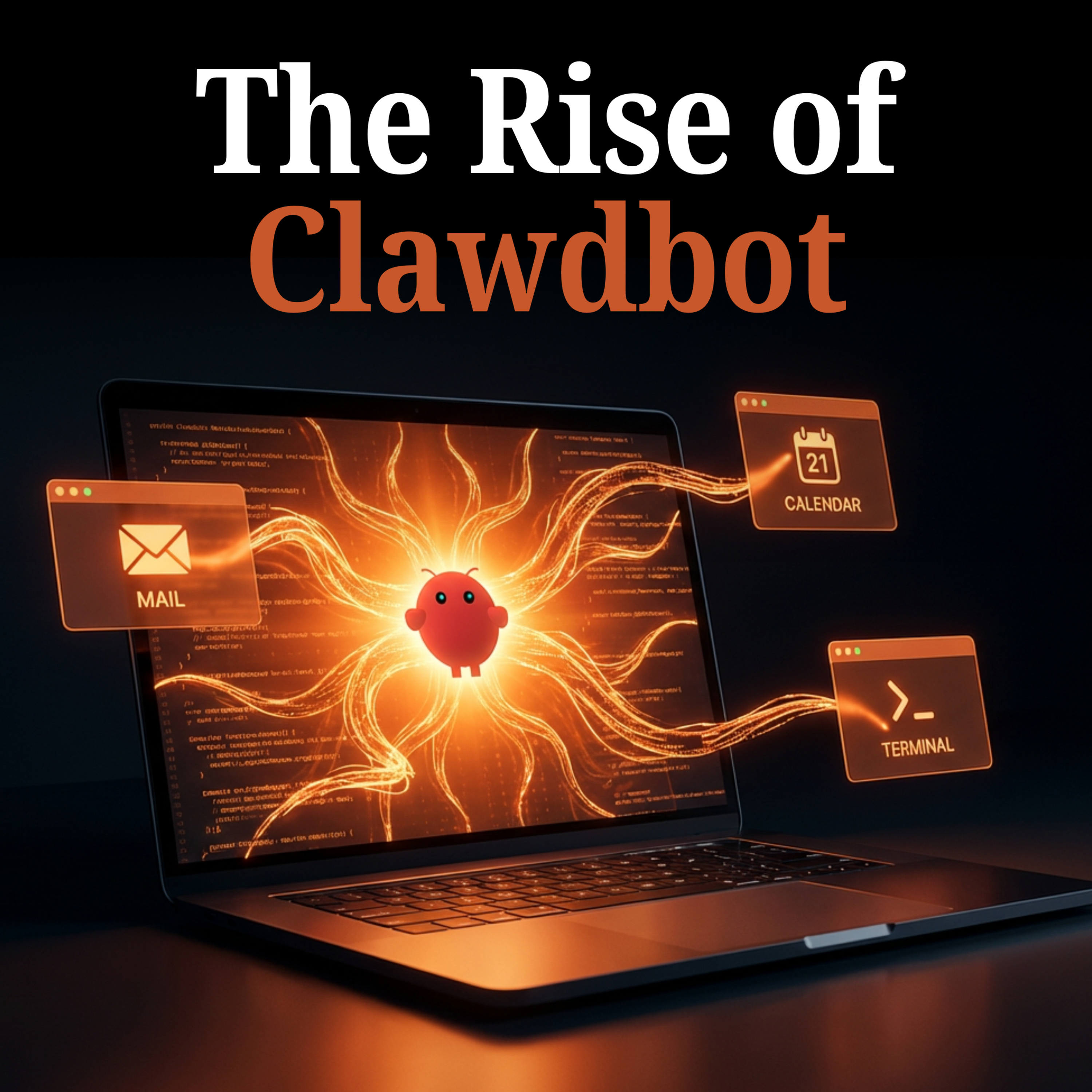
A single AI agent can run multiple "sub-bots" for different tasks. To optimize performance and cost, assign different underlying models to each. Use a powerful model like Claude Opus for complex tasks, and a cheaper model like Sonnet for routine functions.
