Get your free personalized podcast brief
We scan new podcasts and send you the top 5 insights daily.
Use a highly intelligent model like Opus for high-level planning and a more diligent, execution-focused model like a GPT-Codex variant for implementation. This 'best of both worlds' approach within a model-agnostic harness leads to superior results compared to relying on a single model for all tasks.

Related Insights
Recognizing there is no single "best" LLM, AlphaSense built a system to test and deploy various models for different tasks. This allows them to optimize for performance and even stylistic preferences, using different models for their buy-side finance clients versus their corporate users.

Unlike models that immediately generate code, Opus 4.5 first created a detailed to-do list within the IDE. This planning phase resulted in a more thoughtful and functional redesign, demonstrating that a model's structured process is as crucial as its raw capability.
Rather than committing to a single LLM provider like OpenAI or Gemini, Hux uses multiple commercial models. They've found that different models excel at different tasks within their app. This multi-model strategy allows them to optimize for quality and latency on a per-workflow basis, avoiding a one-size-fits-all compromise.

Treat Anthropic's Opus 4.6 as a productive product engineer, excellent for generative, greenfield work. Then, use OpenAI's GPT-5.3 Codex as a principal engineer to review architecture, find edge cases, and harden the code. This mimics a real-world engineering team dynamic for optimal results.
The comparison reveals that different AI models excel at specific tasks. Opus 4.5 is a strong front-end designer, while Codex 5.1 might be better for back-end logic. The optimal workflow involves "model switching"—assigning the right AI to the right part of the development process.
To optimize AI agent costs and avoid usage limits, adopt a “brain vs. muscles” strategy. Use a high-capability model like Claude Opus for strategic thinking and planning. Then, instruct it to delegate execution-heavy tasks, like writing code, to more specialized and cost-effective models like Codex.

The most effective AI architecture for complex tasks involves a division of labor. An LLM handles high-level strategic reasoning and goal setting, providing its intent in natural language. Specialized, efficient algorithms then translate that strategic intent into concrete, tactical actions.

To optimize costs, users configure powerful models like Claude Opus as the 'brain' to strategize and delegate execution tasks (e.g. coding) to cheaper, specialized models like ChatGPT's Codec, treating them as muscles.
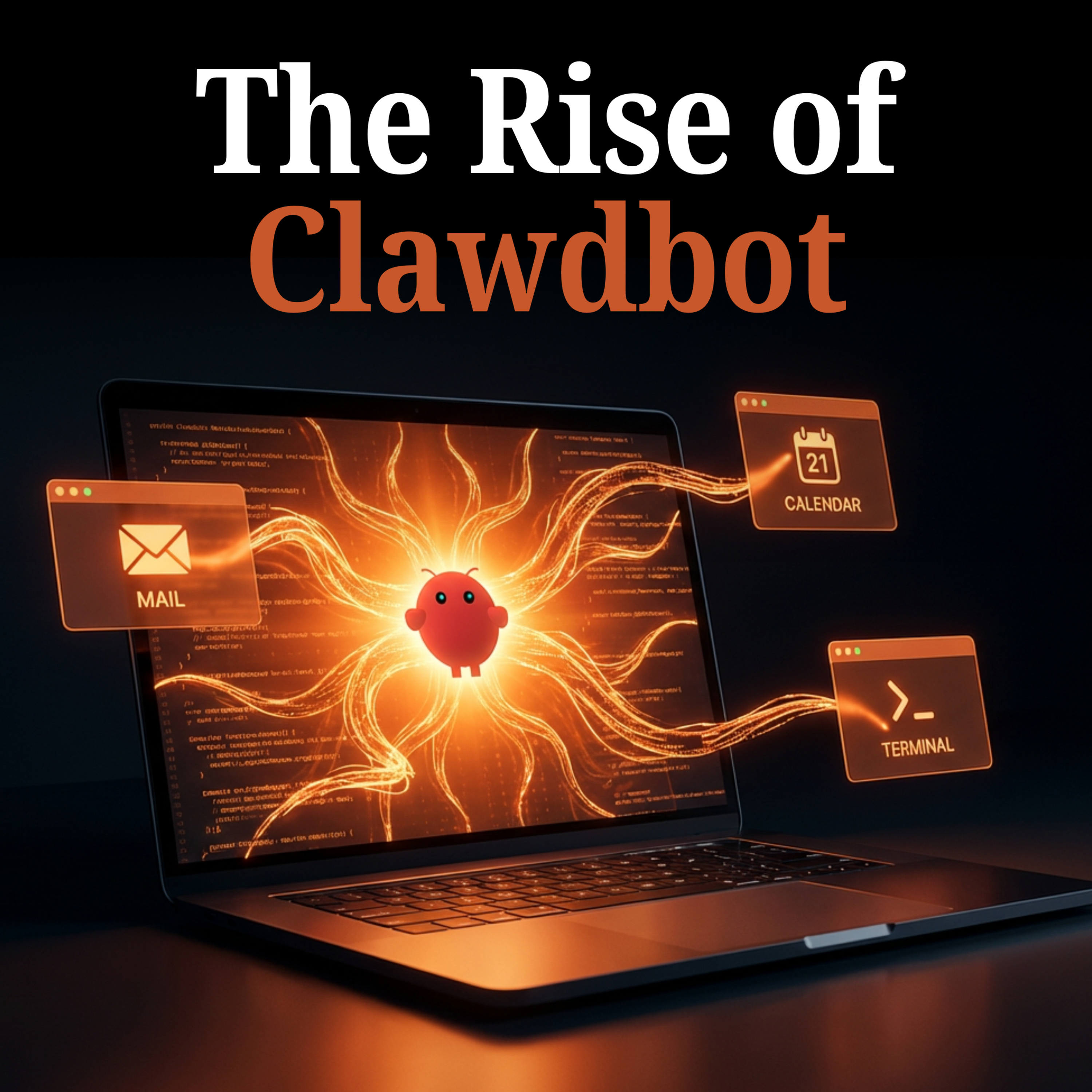
A hybrid approach to AI agent architecture is emerging. Use the most powerful, expensive cloud models like Claude for high-level reasoning and planning (the "CEO"). Then, delegate repetitive, high-volume execution tasks to cheaper, locally-run models (the "line workers").

Powerful AI tools are becoming aggregators like Manus, which intelligently select the best underlying model for a specific task—research, data visualization, or coding. This multi-model approach enables a seamless workflow within a single thread, outperforming systems reliant on one general-purpose model.
