Get your free personalized podcast brief
We scan new podcasts and send you the top 5 insights daily.
Lexi Hensler attributes her brand's success to the deep trust built with her audience through years of vulnerability about her mental health. This connection is more powerful than viral content alone, as it gives customers a reason to believe in the mission behind the product.

Related Insights
Contrary to the belief that businesses must appear flawless, sharing behind-the-scenes struggles and unpolished content can build stronger community and loyalty. This raw authenticity resonates more with audiences than a curated image, humanizing the brand and making customers feel like part of the journey.
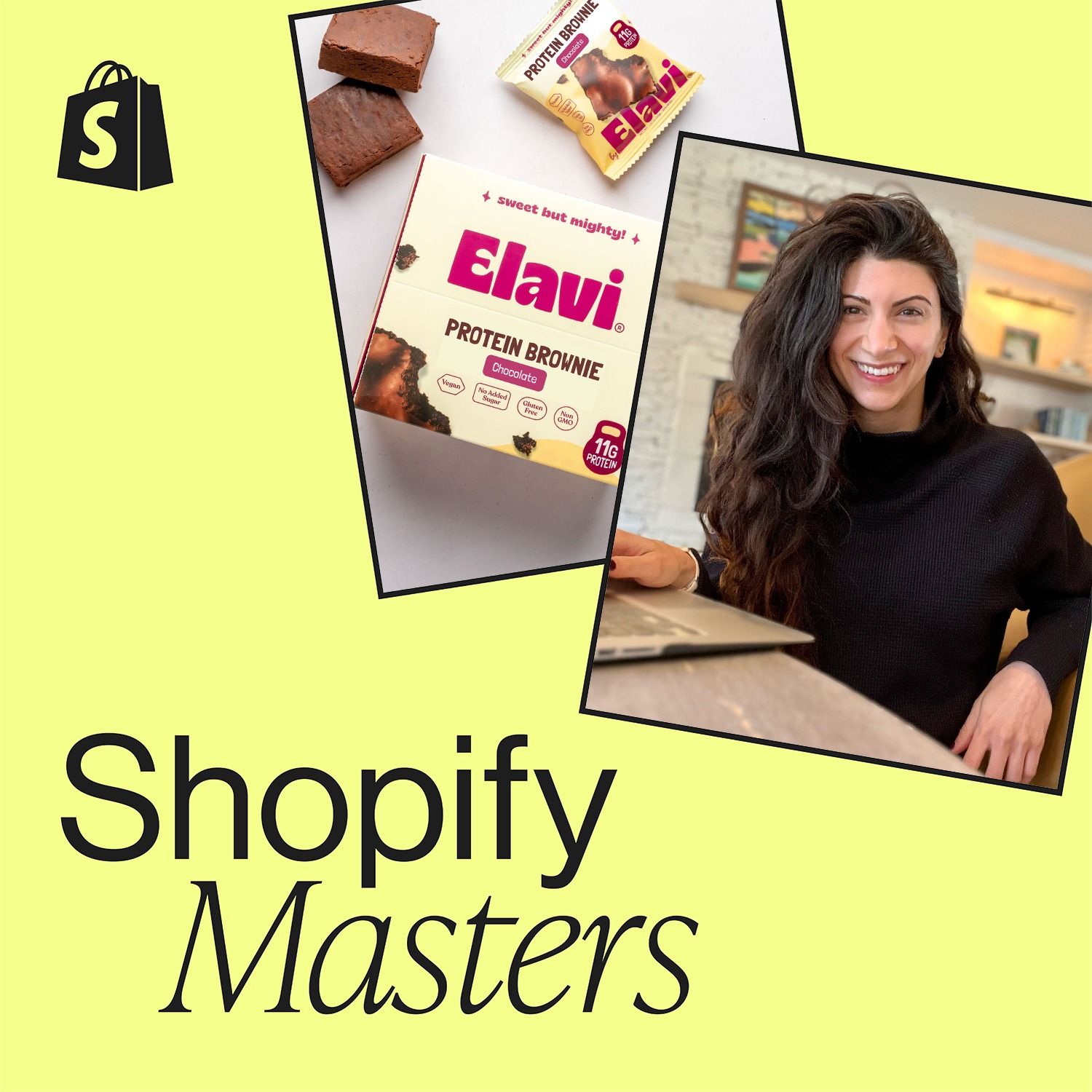
Lanny Smith was initially uncomfortable being the public face of Actively Black. He found, however, that sharing his personal story and motivations created a deeper customer connection than any marketing campaign could, making his authentic narrative the brand's most powerful growth tool.

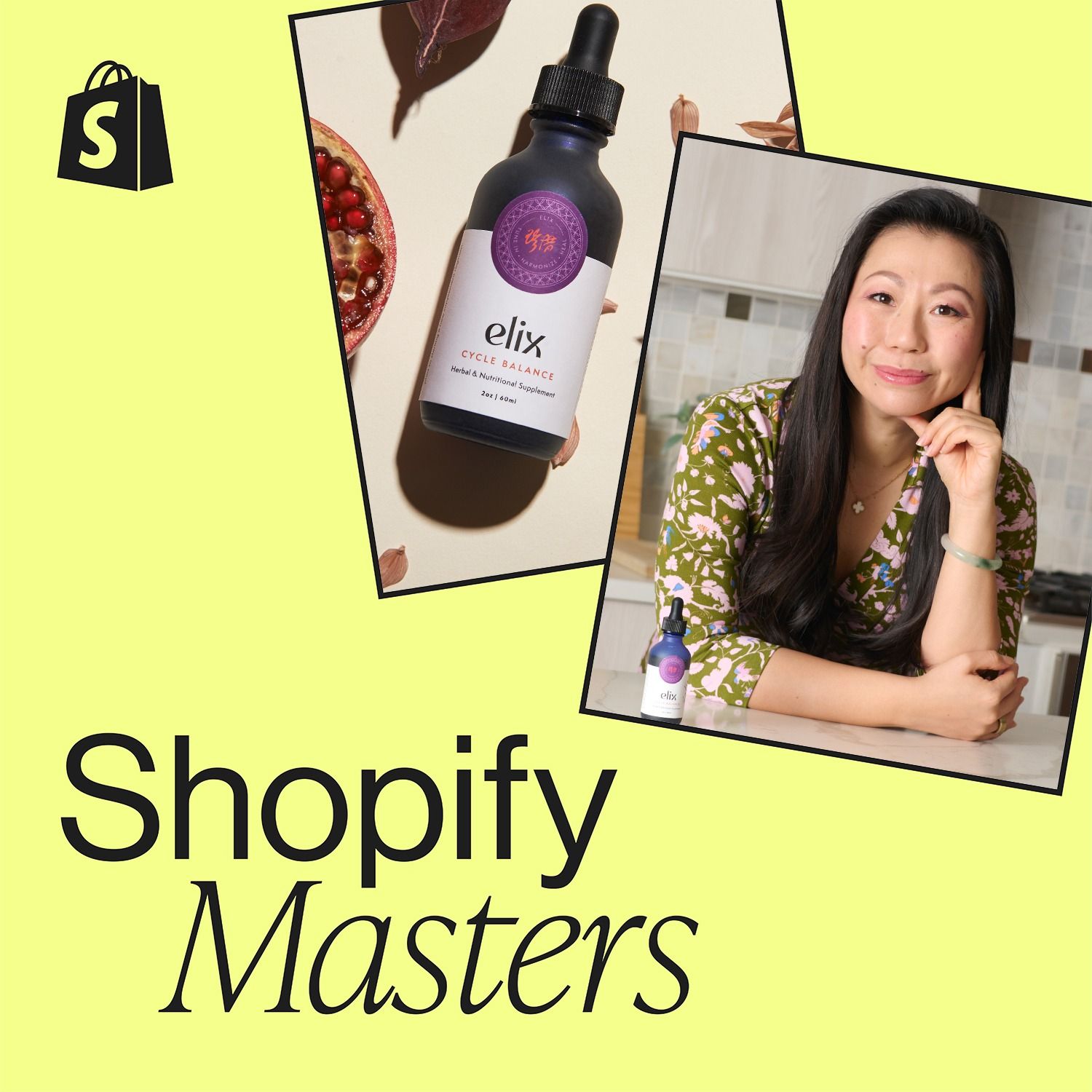
Elix founder Lulu Ge's authentic, personal TikTok videos, initially an experiment, became a key acquisition channel. Customers acquired through her organic content have the highest lifetime value (LTV), demonstrating the power of founder-led content in building deep brand connection and loyalty.
Unlike awareness, which can be purchased, true authenticity is unattainable for most brands directly. The most effective use of influencers is tapping into their pre-built, genuine communities to gain credibility and trust. This allows a brand to "borrow" the equity of authenticity from creators who have already earned it.

Brands find smaller, specialized creators outperform macro-influencers because consumers now prioritize relatability over fame. This shift makes micro-influencers a more authentic, engaging, and cost-effective marketing channel for driving conversions and awareness.

Co-founder Sarah Foster reveals that micro-influencers with authentic, engaged audiences have been far more effective at driving sales than celebrities with millions of followers. This highlights the superior ROI of niche creators who have built genuine trust within their communities, proving reach doesn't always equal results.

As AI-driven content becomes perfectly polished and ubiquitous, audiences increasingly crave genuine, unscripted human connection. Prioritizing vulnerability and realness over perfection builds a more loyal community that feels personal and trustworthy.

A successful personal brand is built on connection and authenticity, not a 'wow factor' or a jet-setting life. The key is learning to tell captivating stories about everyday experiences, which allows audiences to relate and connect on a deeper level than they would with an unattainable lifestyle.

The era of simply 'slapping a celebrity face' on a product is over. Modern consumers demand authenticity. Successful brands like Fenty and Rare Beauty thrive because their founders are deeply involved, knowledgeable about the products, and genuinely connected to a larger mission, such as inclusivity or mental health.

To resonate with today's savvy consumers, a brand's voice cannot be faked. It must be a genuine extension of the founder's core mission and values. If there's an emotional disconnect between the brand's message and its creator's beliefs, customers will sense the inauthenticity and turn away.
