Get your free personalized podcast brief
We scan new podcasts and send you the top 5 insights daily.
Despite making millions, Chip and Joanna never took on outside investors. They knew private equity could accelerate growth and ease operational pain, but they chose to reinvest every dollar earned back into the business. This deliberate decision ensured they maintained complete control over their brand.

Related Insights
Owning 100% of the equity allows the founders to make unconventional, long-term decisions that prioritize fan experience over short-term profits. They explicitly state that shareholders would force them to add fees and ads, demonstrating the strategic value of bootstrapping to protect a brand's integrity.

While surrounded by high-growth, venture-backed DTC brands, the Faherty founders learned from those same founders that their slower, more controlled growth was an advantage. This perspective reinforced their decision to avoid the "grow at all costs" pressure of VC funding.
To staff their rapidly growing business, Chip and Joanna hired people they trusted, like friends, regardless of their lack of direct experience. They prioritized loyalty and a willingness to learn over a perfect resume, building a team that was deeply committed to their vision and culture.
The founders delayed institutional funding to protect their long-term brand strategy. This freedom allowed them to avoid paid ads, which a VC might have demanded for quick growth, and instead focus on building a more powerful and sustainable word-of-mouth engine first.

Instead of chasing massive, immediate growth, Chomps' founders focused on a sustainable, self-funded model. This gradual scaling allowed them to control their destiny, prove their model, and avoid the pressures of early-stage investors, which had burned one founder before.

The Laundress founder argues that celebrating multiple VC rounds is misguided. While seen as a "badge of honor," it means giving away control and equity. By bootstrapping, she retained majority ownership, contrasting the "sexy" VC narrative with the financial reality of keeping your company.

Despite a $50 million exit from their previous company, the Everflow founders intentionally limited their initial investment to a few hundred thousand dollars and didn't take salaries for two years. They believed capital scarcity forces focus and efficiency, preventing wasteful spending while they were still figuring out the product.

Venture capital can create a "treadmill" of raising rounds based on specific metrics, not building a sustainable business. Avoiding VC funding allowed Donald Spann to maintain control, focus on long-term viability, and build a company he could sustain without external pressures or risks.

Emma Hernan, who bootstrapped her company, observed funded competitors fail by spending investor money carelessly. Her advice to funded founders is to adopt a bootstrapped mentality, treating every external dollar with the same discipline as if it were their last personal dollar to ensure prudent capital allocation.
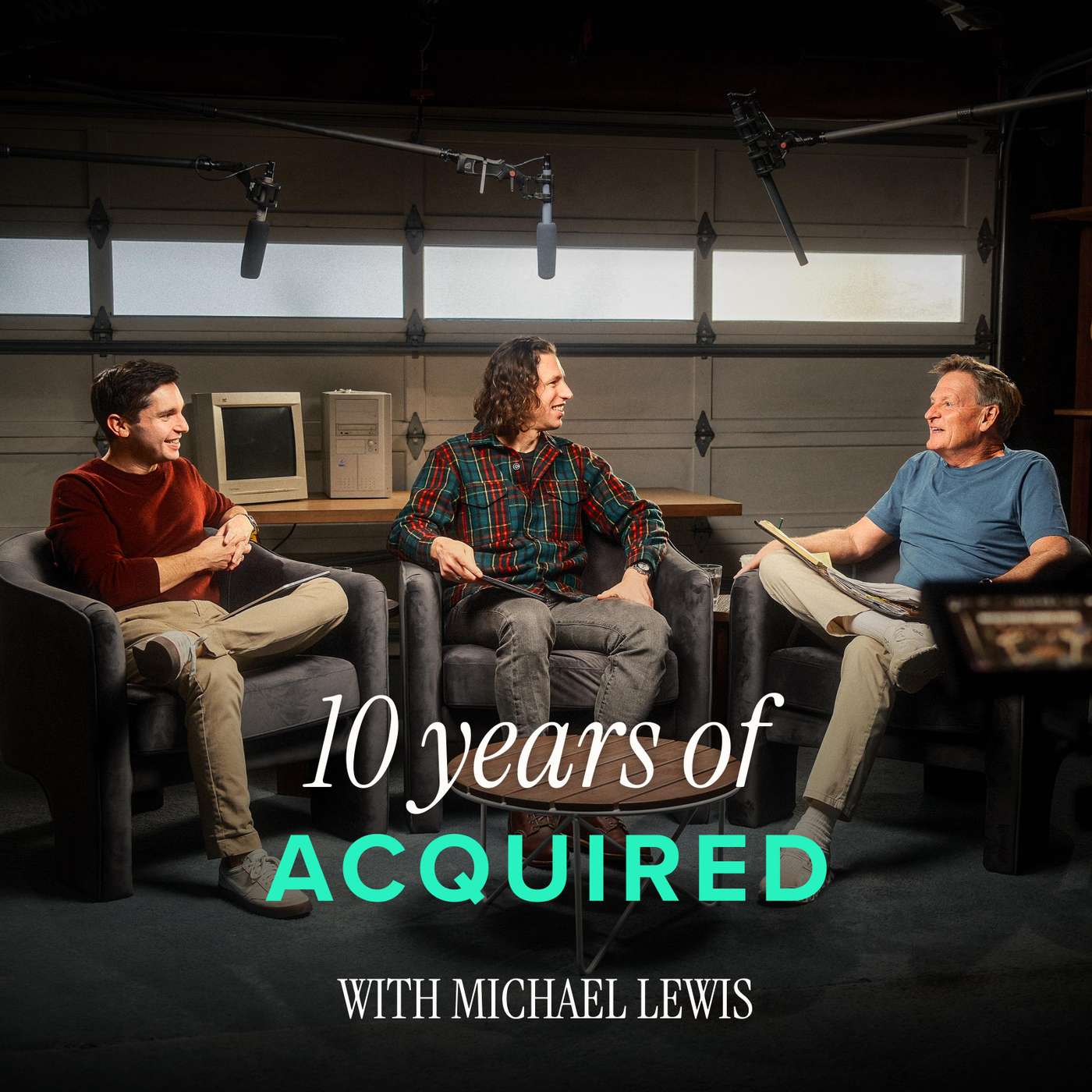
The founders of Acquired consciously choose not to build a large media company, a decision reinforced by an investor who warned that many founders become trapped in "prisons of their own making." By prioritizing founder control and lifestyle, they avoid the obligations that come with scaling an enterprise.