Get your free personalized podcast brief
We scan new podcasts and send you the top 5 insights daily.
Counter to conventional wisdom, eliminating a safety net can be a powerful motivator. Ed Sheeran's father advised him against having a "Plan B," believing it would inevitably be used. By making his music career the only option, Sheeran was forced to persevere through extreme hardship until he succeeded.

Related Insights
On a high-risk creative or entrepreneurial path, an option to retreat can be a liability. It changes your behavior, preventing the 100% commitment necessary to succeed in a low-probability game. Removing the safety net forces an unequaled level of intensity that can be the key to a breakthrough.

Many people desire the outcome of success, like being a rock star, but don't want the grueling lifestyle required to get there. If you don't want the journey, you must relinquish the desire for the destination to avoid guaranteed misery.

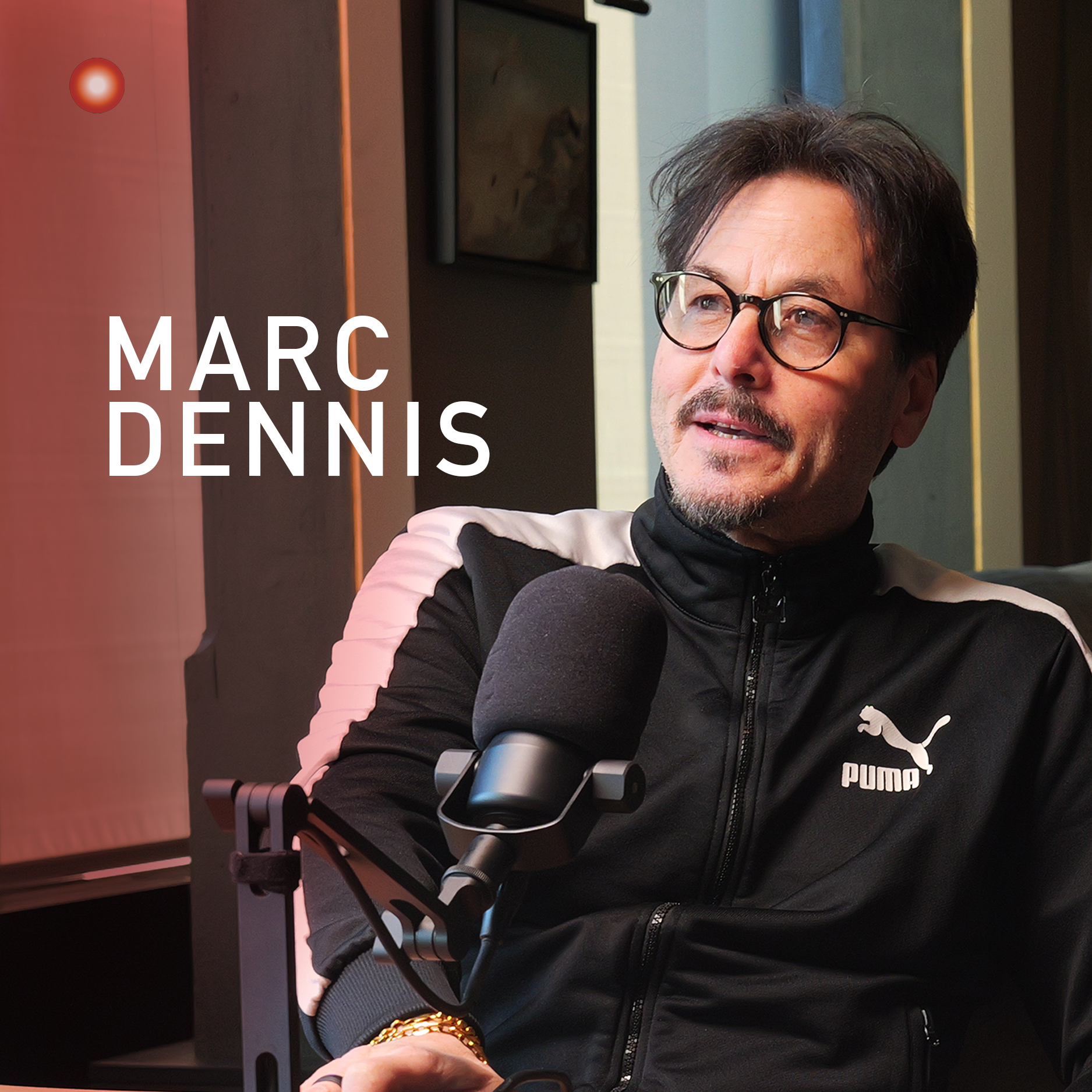
Artist Marc Dennis's career truly took off only after he resigned from a tenured professorship. By removing the security of a "Plan B" and going "all in" on being a full-time artist, he created the necessary pressure and focus to achieve breakthrough professional success.
Removing the option to quit is a powerful motivator. The speaker credits being locked into an expensive gym lease with all his net worth as the reason he persevered after his passion faded. Such inescapable commitments force you to develop the proficiency and resilience needed to succeed.

JB Mauney's life motto was to ignore "Plan B" and just "make Plan A work." This focus fueled his success, but when a career-ending injury struck, he faced an identity crisis. With no backup plan or other skills, he was terrified about his future.
The founders of private equity firm Parker Gale adopted the working title "no plan B" after quitting their jobs. This mindset of eliminating backup plans created immense pressure and focus, which they credit for their eventual success in raising their first fund and forcing them to make it work.

A fallback plan actively undermines your commitment to your primary goal. The idea is that you jump highest and fight hardest only when there is no safety net—when success is the only option. The backup plan is the rope holding you back from your full potential.

The host recounts how his parents' emotional support for his decision to drop out of college and move to San Francisco was a critical factor in his success. This backing, which encourages risk-taking over a safe path, can be a more significant advantage than financial help.

Pipeline founder Aaron Moncur had zero career plans in high school until his father suggested engineering. Despite not knowing what the field entailed, Moncur followed the advice. This single, casual conversation at the dinner table became the catalyst for his entire, highly successful engineering career.

For individuals without a financial safety net, the fear of failure (e.g., "I'm going to be homeless") can be an intense and powerful motivator for working hard and proving oneself early in a career. While not a long-term strategy, this raw drive can be a critical catalyst for initial success and building a foundation.
