Get your free personalized podcast brief
We scan new podcasts and send you the top 5 insights daily.
The host recounts how his parents' emotional support for his decision to drop out of college and move to San Francisco was a critical factor in his success. This backing, which encourages risk-taking over a safe path, can be a more significant advantage than financial help.

Related Insights
When asked "What is the kindest thing anyone has ever done for you?", two-thirds of respondents said it was someone who saw potential in them and took a chance on them before they had a track record of success. This act of early belief is deeply transformative and memorable.
![Patrick O’Shaughnessy - Creating on Principle - [Invest Like the Best, EP.455] thumbnail](https://megaphone.imgix.net/podcasts/816fce6a-f5b6-11f0-9c9c-33831009577b/image/1f5ec11a816e37bc484e46cbf9b3421d.jpg?ixlib=rails-4.3.1&max-w=3000&max-h=3000&fit=crop&auto=format,compress)
Nikesh Arora attributes his ability to adapt to new situations to his father's Air Force career, which required moving every few years. This constant change instilled a sense of impermanence, making him more comfortable with career pivots and instability.

The Profound CEO's decision to start a door-to-door gold-selling business instead of attending university was a formative "breakout of the matrix moment." This early, unconventional success instilled a deep-seated belief that one can forge their own path without following a traditional script.
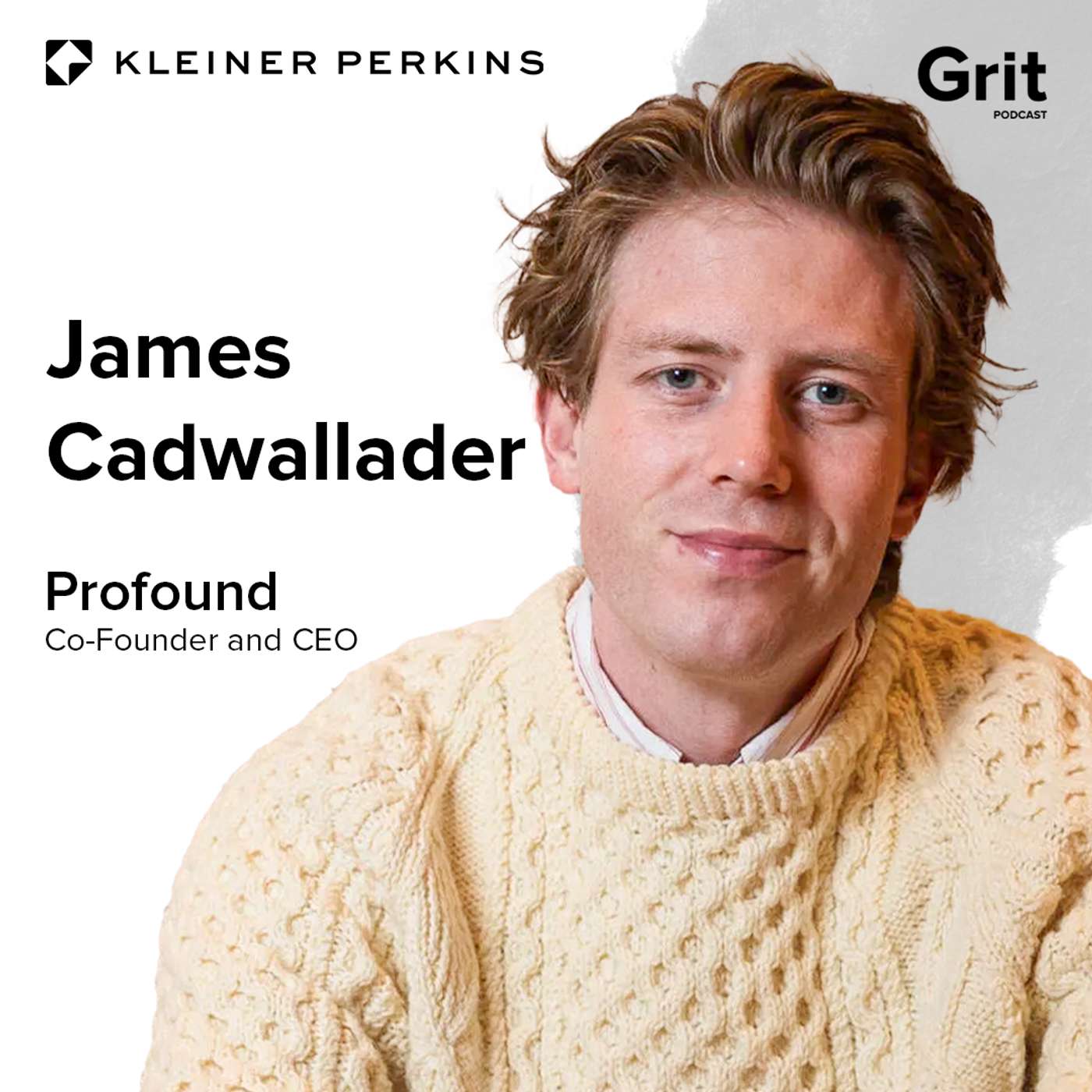
For young people pursuing non-traditional careers, parental discomfort is a preferable outcome to seeking approval. If you succeed, their pride is immense. If you fail, you learn to operate without their validation. Both outcomes build crucial entrepreneurial resilience.

Young dreamed of being an NFL quarterback, a goal with a sub-1% chance of success. His father supported this but insisted he also create a high-probability 'plan': becoming a lawyer. This dual-track approach grounds ambition in reality, providing a viable path forward regardless of whether the long-shot dream materializes.

While ambition was a factor, the primary motivators for Kukun's founder to leave a high-paying consulting job were non-financial. He wanted to stop constant travel to be present for his growing children and to build something tangible he could "finish," unlike consulting projects. This highlights that lifestyle can be a stronger driver than pure entrepreneurial zeal.

Vivian Tu's immigrant parents urged her to endure a toxic but prestigious job, reflecting a survival-focused mindset. Her belief that she deserved to thrive, not just survive, empowered her to quit and pursue a riskier but more fulfilling path, highlighting a key generational driver for entrepreneurship.

Instead of demanding commitment to a single passion, Jenna Kutcher's mother created low-stakes opportunities for her to explore many (e.g., job-shadowing a vet at age nine). This fostered a "try it on, see if it works" mindset, which is crucial for building entrepreneurial resilience and curiosity.

Failing out of film school and working low-wage jobs before taking a major financial risk to pursue engineering gave one engineer a unique drive. This unconventional path fostered a level of resilience not always found in traditional career trajectories.

The most impactful gift a parent can provide is not material, but an unwavering, almost irrational belief in their child's potential. Since children lack strong self-assumptions, a parent can install a powerful, positive "frame" that they will grow to inhabit, becoming a self-fulfilling prophecy.