Get your free personalized podcast brief
We scan new podcasts and send you the top 5 insights daily.
JB Mauney's life motto was to ignore "Plan B" and just "make Plan A work." This focus fueled his success, but when a career-ending injury struck, he faced an identity crisis. With no backup plan or other skills, he was terrified about his future.
Related Insights
Young dreamed of being an NFL quarterback, a goal with a sub-1% chance of success. His father supported this but insisted he also create a high-probability 'plan': becoming a lawyer. This dual-track approach grounds ambition in reality, providing a viable path forward regardless of whether the long-shot dream materializes.

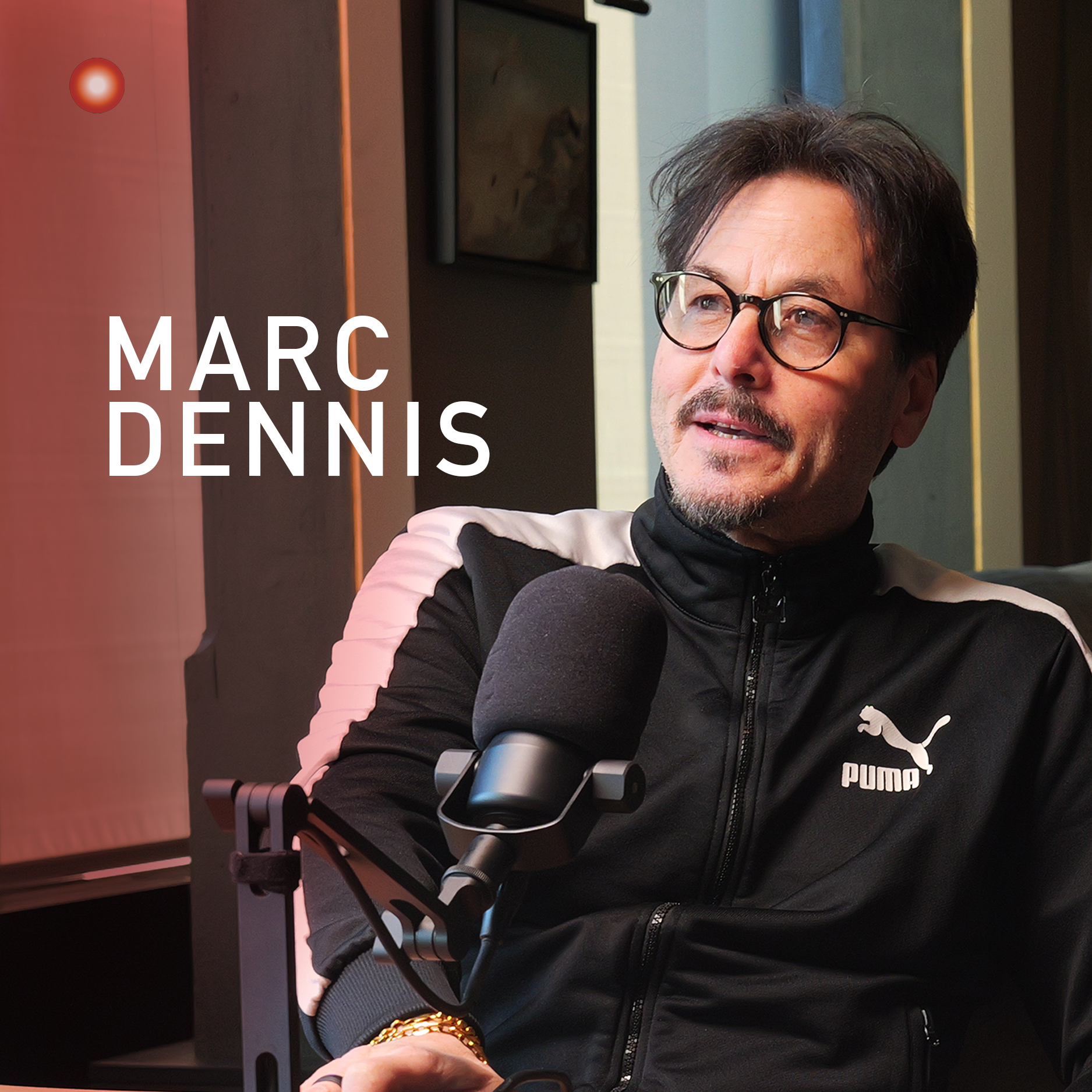
Artist Marc Dennis's career truly took off only after he resigned from a tenured professorship. By removing the security of a "Plan B" and going "all in" on being a full-time artist, he created the necessary pressure and focus to achieve breakthrough professional success.
Framing your life as a single, linear story or quest sets you up for an identity crisis if that one project fails. Instead, view your life as a diverse collection of small successes and failures. This perspective prevents a single outcome from defining your entire worth.

When identity is tied to a specific role (the "what"), it's fragile. Anchoring it to your underlying motivation (the "why") makes you more resilient to career-ending changes, as you can find new outlets for that core drive.

When your entire sense of self is tied to your profession, you build a prison. Any threat to your work becomes a threat to your existence. A resilient identity is like a diversified portfolio, with investments in family, hobbies, and community, not just a single stock.

When elite performers retire, the subsequent identity crisis often stems less from the loss of a singular goal (e.g., winning Mr. Olympia) and more from the dissolution of the highly structured daily routine that supported it. Reintroducing discipline and structure, even without the grand objective, is key to rebuilding a sense of self.
Instead of defining yourself by roles or accomplishments (the "what"), focus on the underlying values and motivations (the "why"). This creates a more robust identity that can withstand the loss of a specific job or pursuit, as the core "why" can find new outlets.
Binary (A-B) choices lead to bad decisions over half the time. To generate better options, create three distinct five-year 'Odyssey Plans': 1) your current path succeeding, 2) a backup if that path vanishes, and 3) a 'wild card' plan free from financial or social constraints. The goal is imagination, not selection.
When a defining career ends, the biggest struggle is often existential, not financial. Our culture fuses identity with profession ('what you do is who you are'), creating a vacuum when the job is gone. This leads to profound questions of self-worth, value, and purpose that transcend money.

When a career path becomes unviable, the correct response isn't to give up entirely. It is to acknowledge and mourn the loss, then actively seek a new path that provides the same underlying sense of fulfillment and passion you originally sought.
