Get your free personalized podcast brief
We scan new podcasts and send you the top 5 insights daily.
The founders of private equity firm Parker Gale adopted the working title "no plan B" after quitting their jobs. This mindset of eliminating backup plans created immense pressure and focus, which they credit for their eventual success in raising their first fund and forcing them to make it work.

Related Insights
Unlike many founders who test ideas while employed, Hale fully committed by quitting his job immediately. This forced him to "make something out of this" and removed the safety net, creating immense pressure to succeed from day one and ensuring his full focus was on the venture.

Contrary to common advice, the founder deliberately raised capital in small increments, never securing more than 12 months of runway. He found this self-imposed pressure was a powerful forcing function that kept him and the team sharp and focused on hitting critical milestones.

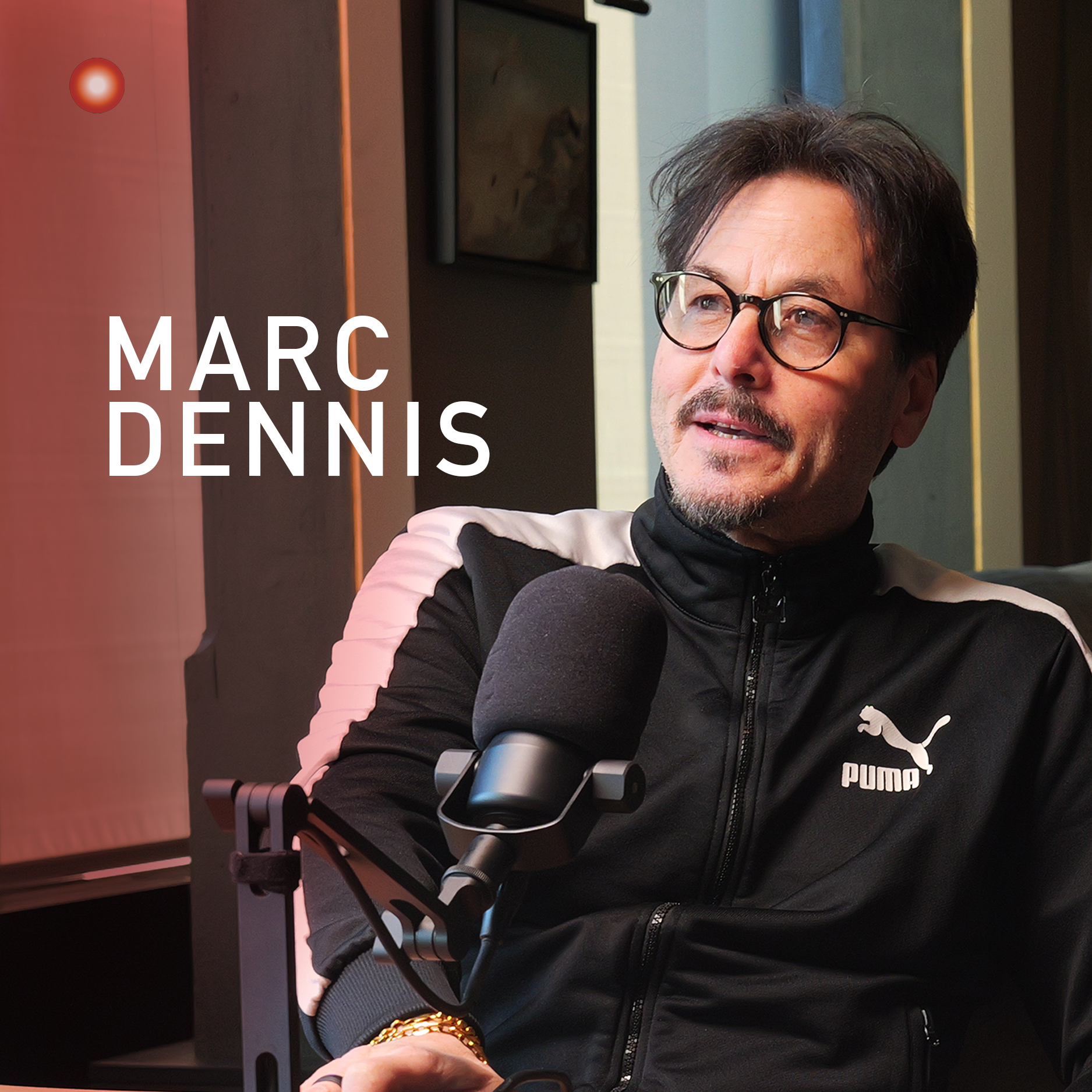
Artist Marc Dennis's career truly took off only after he resigned from a tenured professorship. By removing the security of a "Plan B" and going "all in" on being a full-time artist, he created the necessary pressure and focus to achieve breakthrough professional success.
Home Depot's founders were fired from their previous company, a setback that seemed devastating. This perceived failure freed them to pursue their own, more ambitious vision, highlighting how professional setbacks can unlock greater entrepreneurial opportunities.

Removing the option to quit is a powerful motivator. The speaker credits being locked into an expensive gym lease with all his net worth as the reason he persevered after his passion faded. Such inescapable commitments force you to develop the proficiency and resilience needed to succeed.

Founder Adrian Solgaard believes extreme constraints, like having only €637 left, force entrepreneurs to cut through distractions and hyper-focus. This pressure cooker environment, where survival is the only goal, is where the most magical, focused work happens.

Despite immense financial success, Anastasia Soare maintains the same work ethic she had when starting out. She intentionally ignores her wealth and works with the urgency of a new venture, believing this relentless drive is essential for sustained passion and success in entrepreneurship.

The most successful founders rarely get the solution right on their first attempt. Their strength lies in persistence combined with adaptability. They treat their initial ideas as hypotheses, take in new data, and are willing to change their approach repeatedly to find what works.

The Parker Gale partnership was founded on a clear division of complementary skills. One partner was the investor, skilled at sourcing deals and shaping the thesis. The other was the operator, who could assess a company's potential and execute post-acquisition. This combination was viewed as non-negotiable for success.
Successful people with unconventional paths ('dark horses') avoid rigid five or ten-year plans. Like early-stage founders, they focus on making the best immediate choice that aligns with their fulfillment, maintaining the agility to pivot. This iterative approach consistently outperforms fixed, long-term roadmaps.