Get your free personalized podcast brief
We scan new podcasts and send you the top 5 insights daily.
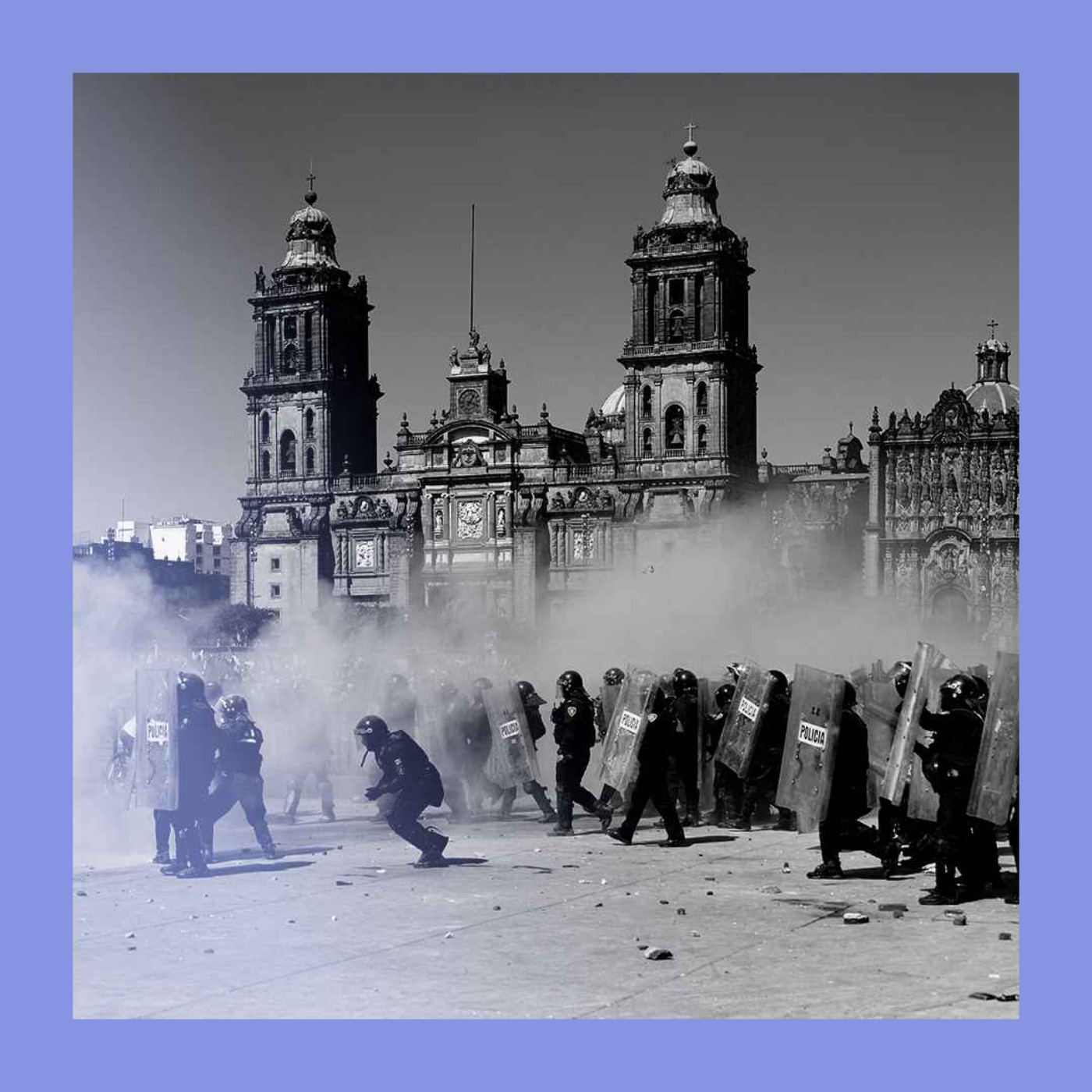
Police training often emphasizes rare, extreme scenarios, leading officers to perceive a higher level of danger than is statistically present in many encounters. For example, despite a focus on knife attacks in training, zero US police officers were murdered with a bladed weapon in 2019.

Related Insights
New laws and regulations often fail because an officer's actions are more heavily influenced by the informal norms and values absorbed from peers. This 'us vs. them' culture stresses aggression and loyalty over procedure, meaning true police reform must focus on changing the internal culture, not just adding rules from the outside.

Counterintuitively, safety in high-risk professions like special operations is achieved through massive repetition and exposure, not avoidance. This obsessive practice builds mastery and confidence, buying down risk far more effectively than limiting engagement.

Leaders often conflate seeing a risk with understanding it. In 2020, officials saw COVID-19 but didn't understand its airborne spread. Conversely, society understands the risk of drunk driving but fails to see it most of the time. Truly managing risk requires addressing both visibility and comprehension.

Simply consuming more information won't change how you react under pressure. Your default behavior is determined by what you've consistently practiced and trained. To improve crisis response, you must actively rehearse new behaviors, not just passively acquire more knowledge.

According to veteran bomb disposal officer Peter Gurney, having no fear is a fatal flaw in his high-stakes profession. He believed fear was an essential tool that forced respect for the device and heightened focus. Approaching a bomb required embracing that fear to maintain the discipline needed to survive.
Our cognitive wiring prefers making harmless errors (false positives, e.g., seeing a predator that isn't there) over fatal ones (false negatives). This "better safe than sorry" principle, as described by Michael Shermer, underlies our susceptibility to misinformation and snap judgments.

Under pressure, your body treats the situation as a threat. This narrows your focus, making you miss crucial cues, yet the adrenaline rush makes you feel more certain than ever that your flawed assessment is correct.
We perceive only a tiny fraction of reality because that's all that was needed for survival. Evolution also made our senses overactive, prompting us to see threats that aren't there because one correct guess could save our life.

Constant exposure to trauma can lead to desensitization, but it's not a healthy adaptation. Research on crime scene investigators shows they become unresponsive not only to horrific images but also to neutral ones. This 'immunity' is actually a broad emotional deadening.

In high-stakes encounters, the trained professional (like an ICE agent) is responsible for managing their own trauma and emotional responses. It's their job to de-escalate, and we should not expect a civilian victim to be more composed than the paid, trained officer.
