Get your free personalized podcast brief
We scan new podcasts and send you the top 5 insights daily.
To compete with companies offering massive compensation, focus on the non-monetary value proposition. Attract A-players by selling the mission: the chance to build a legendary company, receive world-class development, and be part of a culture that creates future industry leaders.

Related Insights
The most motivated employees ("freedom fighters") offer unparalleled commitment, but only if the company's mission is authentic. Unlike mercenaries (paid) or conscripts (obligated), they demand integrity and will quickly expose any disconnect between the stated mission and reality, making them a high-reward but high-maintenance talent segment.

Bending Spoons views its company as its most important product, engineered to be the ideal place for the world's best inexperienced talent. The goal is to create an institution that acts as the ultimate training ground, enabling high-potential individuals to skyrocket their careers.
![Luca Ferrari - Building Bending Spoons - [Invest Like the Best, EP.446] thumbnail](https://megaphone.imgix.net/podcasts/b29cbd80-b93a-11f0-a1b7-2b977c9469a2/image/39f7864ea628f71a81b94662bd4a86df.jpg?ixlib=rails-4.3.1&max-w=3000&max-h=3000&fit=crop&auto=format,compress)
Early-stage startups can't win on salary. The ideal hire is a veteran from a top tech company who has already achieved financial security. They are motivated by passion for the mission, not compensation, and are more likely to accept an equity-heavy package.

To lure senior talent from giants like SpaceX, Base Power pitched more than equity. It offered a chance to work on humanity's hardest problems (energy), promising a continuous stream of complex challenges that top performers crave, alongside massive economic upside.

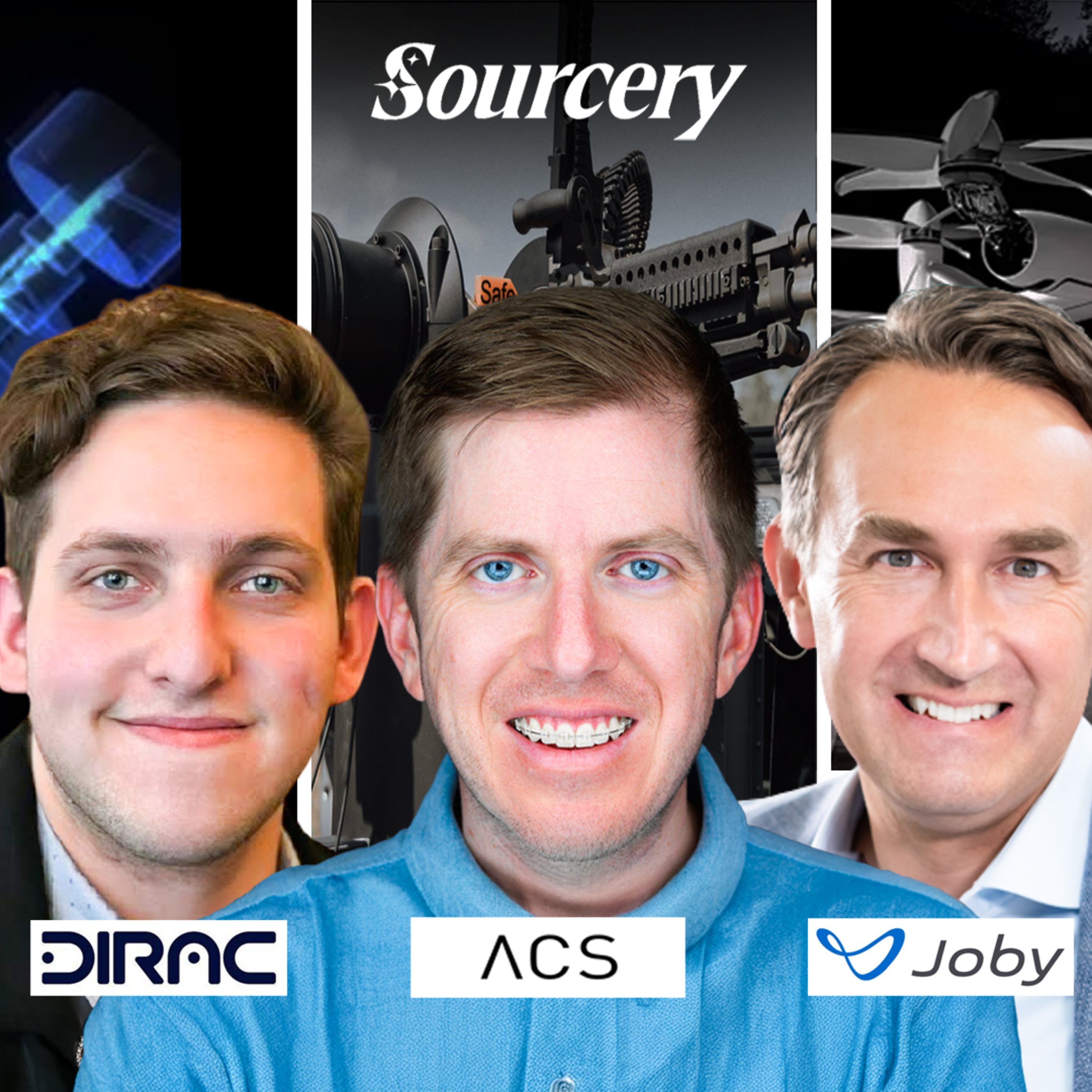
When asked how he recruits talent for a challenging hardware business, the founder of Allen Control Systems stated it's easy because 'We're making the greatest weapon system in American history.' This demonstrates that for deep tech and defense startups, a powerful and ambitious mission can be more effective than conventional recruiting strategies.
Once financial needs are met, top engineers are motivated by meaning and creativity, not incremental pay bumps. To retain them, leaders must create an environment where R&D teams feel they are genuinely innovating, beyond just executing a quarterly roadmap. This sense of mission is the key differentiator.

To compete with high private sector salaries, the U.S. Tech Force frames its roles as a service to the country, akin to the Peace Corps. This reframes the value proposition away from pure compensation and towards civic duty and resume prestige, making it more appealing to mission-driven talent who might otherwise not consider public sector work.

Solving a big, ambitious problem isn't just for market size; it's a powerful recruiting tool. It's not materially harder than solving a smaller problem, but it attracts more interesting, motivated people who want to work on challenging missions. This talent advantage can be decisive.

Nominal leverages its mission of building real-world things—like autonomous aircraft and fusion reactors—to attract top engineers. The appeal of tangible, meaningful impact provides a significant recruiting advantage over mainstream SaaS or ad-tech, especially for talent seeking purpose in their work.

The very best engineers optimize for their most precious asset: their time. They are less motivated by competing salary offers and more by the quality of the team, the problem they're solving, and the agency to build something meaningful without becoming a "cog" in a machine.