Get your free personalized podcast brief
We scan new podcasts and send you the top 5 insights daily.
To lure senior talent from giants like SpaceX, Base Power pitched more than equity. It offered a chance to work on humanity's hardest problems (energy), promising a continuous stream of complex challenges that top performers crave, alongside massive economic upside.

Related Insights
For Base, a $1B fundraise serves a dual purpose: funding capital-intensive growth and acting as a powerful recruiting tool. The massive round signals to top-tier engineers and operators that the company is playing on a global stage, making it a more compelling career destination than less capitalized competitors.
To recruit for the declining Pampered Chef, the team didn't sell the kitchenware product. They sold a compelling story: the chance to learn and grow quickly in a meritocracy, and be part of a historic business transformation. This attracted ambitious talent who wanted to build something unique.
Base Power's culture of execution was set by its first ~10 hires—senior leaders from Tesla and SpaceX who initially worked as individual contributors. This "lead from the front" model, where leaders still do IC work, cascaded through the company as it scaled to 250 people.
Instead of optimizing for a quick win, founders should be "greedy" and select a problem so compelling they can envision working on it for 10-20 years. This long-term alignment is critical for avoiding the burnout and cynicism that comes from building a business you're not passionate about. The problem itself must be the primary source of motivation.

When asked how he recruits talent for a challenging hardware business, the founder of Allen Control Systems stated it's easy because 'We're making the greatest weapon system in American history.' This demonstrates that for deep tech and defense startups, a powerful and ambitious mission can be more effective than conventional recruiting strategies.
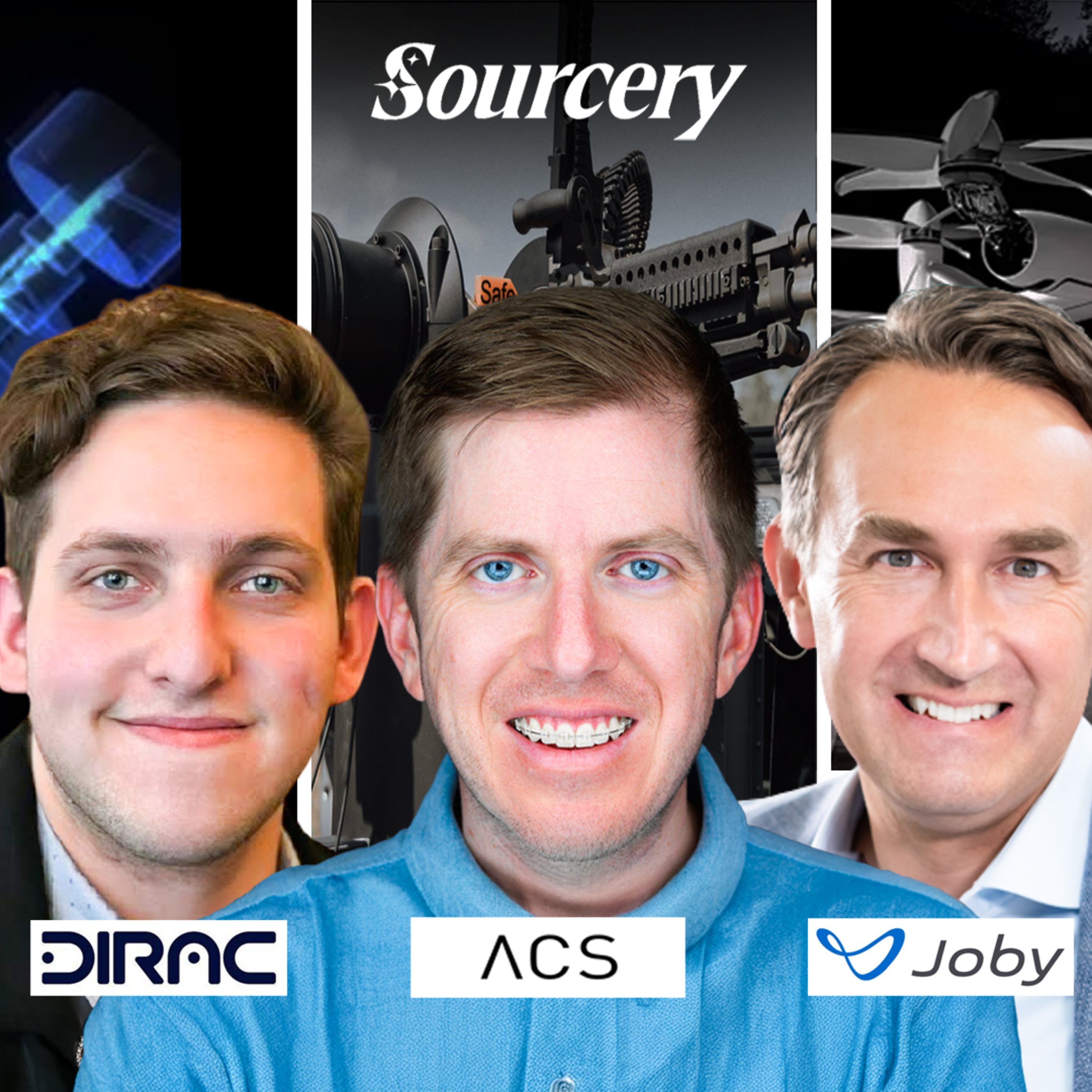
In capital-intensive sectors, the idea is secondary to the founder's ability to act as a magnet. Their primary function is to relentlessly attract elite talent and secure continuous funding to survive long development timelines before revenue.
Musk's success stems from his unique ability to attract hyper-intelligent, maniacally driven individuals. These people are drawn to his high-stakes, high-pressure environment, choosing to "burn out under Musk" rather than be bored elsewhere, creating an unparalleled human capital advantage.

Base Power's founder identified the energy sector as ripe for disruption by pattern-matching. Like autos before Tesla or aerospace before SpaceX, energy was a massive, incumbent-dominated field that was not yet technology-focused, R&D-driven, or engineering-led.
Before its explosive success, StackBlitz spent years as a 'research lab' with little revenue. The team stayed motivated not by financial prospects but by the intrinsic challenge of building novel technology. This mission-driven culture is crucial for retaining top talent during the long, uncertain search for product-market fit.
The very best engineers optimize for their most precious asset: their time. They are less motivated by competing salary offers and more by the quality of the team, the problem they're solving, and the agency to build something meaningful without becoming a "cog" in a machine.