Get your free personalized podcast brief
We scan new podcasts and send you the top 5 insights daily.
Nominal leverages its mission of building real-world things—like autonomous aircraft and fusion reactors—to attract top engineers. The appeal of tangible, meaningful impact provides a significant recruiting advantage over mainstream SaaS or ad-tech, especially for talent seeking purpose in their work.

Related Insights
The most motivated employees ("freedom fighters") offer unparalleled commitment, but only if the company's mission is authentic. Unlike mercenaries (paid) or conscripts (obligated), they demand integrity and will quickly expose any disconnect between the stated mission and reality, making them a high-reward but high-maintenance talent segment.

Early-stage startups can't win on salary. The ideal hire is a veteran from a top tech company who has already achieved financial security. They are motivated by passion for the mission, not compensation, and are more likely to accept an equity-heavy package.

To lure senior talent from giants like SpaceX, Base Power pitched more than equity. It offered a chance to work on humanity's hardest problems (energy), promising a continuous stream of complex challenges that top performers crave, alongside massive economic upside.

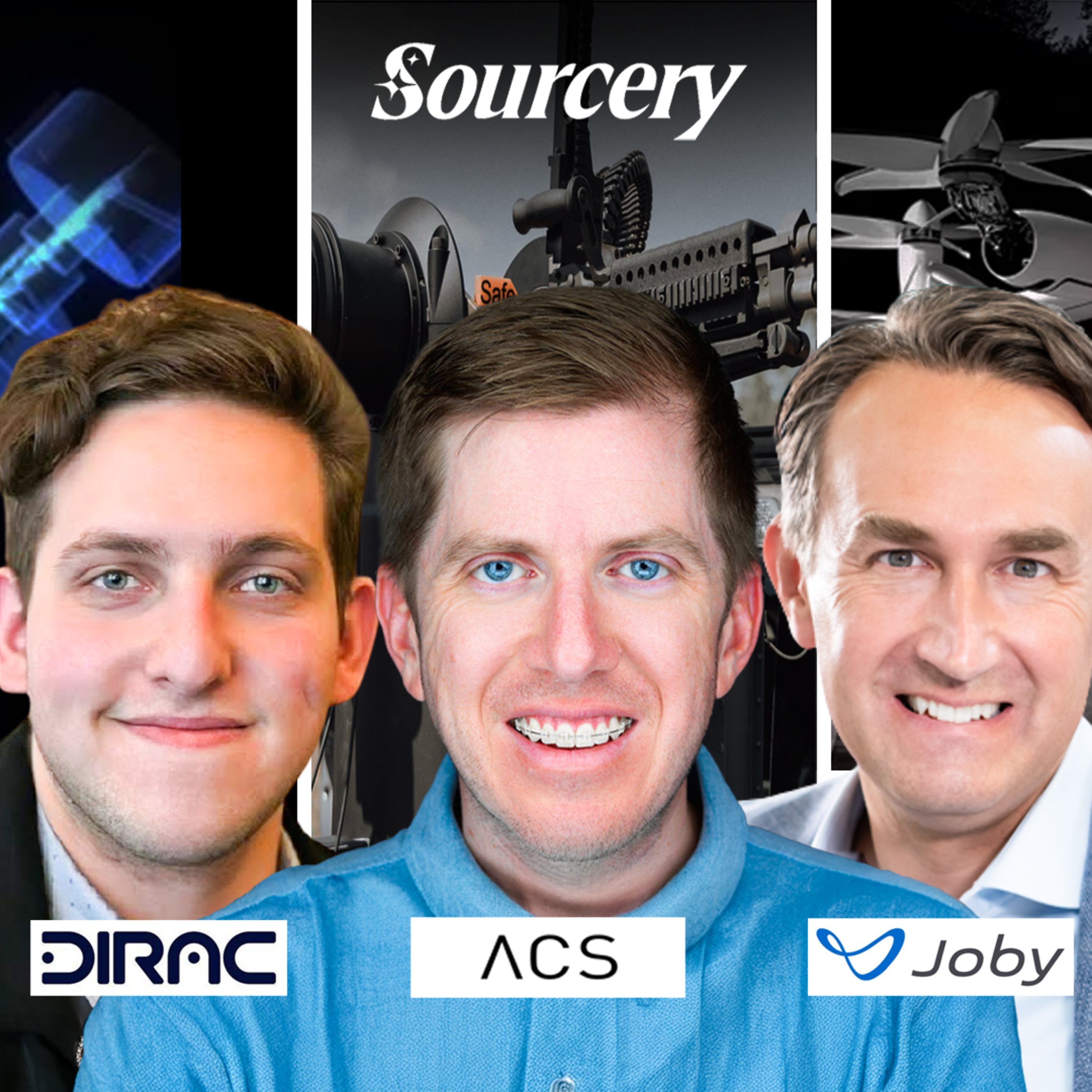
When asked how he recruits talent for a challenging hardware business, the founder of Allen Control Systems stated it's easy because 'We're making the greatest weapon system in American history.' This demonstrates that for deep tech and defense startups, a powerful and ambitious mission can be more effective than conventional recruiting strategies.
Once financial needs are met, top engineers are motivated by meaning and creativity, not incremental pay bumps. To retain them, leaders must create an environment where R&D teams feel they are genuinely innovating, beyond just executing a quarterly roadmap. This sense of mission is the key differentiator.

The New York Times competes for talent not on salary, but on the promise of doing the "most impactful work of your career." It provides an unmatched ecosystem of editors, lawyers, and security that enables ambitious, risky journalism that individual creators on Substack cannot undertake alone.

For elite AI researchers who are already wealthy, extravagant salaries are less compelling than a company's mission. Many job changes are driven by misalignments in values or a lack of faith in leadership, not by higher paychecks.

The very best engineers optimize for their most precious asset: their time. They are less motivated by competing salary offers and more by the quality of the team, the problem they're solving, and the agency to build something meaningful without becoming a "cog" in a machine.
The primary benefit of being first isn't always commercial success. Instead, the ambition to be an innovator is a powerful tool for recruiting top-tier engineers and creatives. This cultural drive for leadership gives clarity to the internal roadmap and attracts talent that wants to build the future, making it a valuable recruiting tool.

Delphi CEO Susan Tucci was inspired to pursue engineering because her teachers framed it as a way to improve lives and communities. This mission-driven narrative, rather than a purely technical one, was crucial for attracting her into a male-dominated field, offering a lesson for modern talent acquisition.
