Get your free personalized podcast brief
We scan new podcasts and send you the top 5 insights daily.
After joining Toastmasters at Medtronic, Aaron Moncur stood up in front of the site and CEO to ask process questions; colleagues later said they had wanted to ask the same but were afraid. The practice also helped him chair a global summit and present at FIRST championships.

Related Insights
As a CEO, receiving honest, critical feedback is difficult because most employees are hesitant to challenge their boss. Aicha Evans solves this by intentionally cultivating a small, trusted group of about 10 people whose job is to tell her when she's wrong, ensuring she avoids an echo chamber.

Contrary to standard management advice, Cisco's Jeetu Patel advocates for public debate and critique. This requires first establishing deep trust in private. This approach surfaces the best ideas and promotes a problem-solving culture over posturing.

Greg Roche was told repeatedly that he did not speak up enough and looked “aloof.” Instead of adding verbal filler, he began asking the questions already in his mind. That showed engagement, gave him processing time, and let him redirect discussion; he says leaders can invite quiet attendees to do the same.

Joining as a new tech lead for an existing team, the speaker built trust by forbidding himself from giving direct orders or rejecting designs. He instead embedded with teams and used strategic questioning to guide them, helping them arrive at the right conclusions while respecting their expertise.

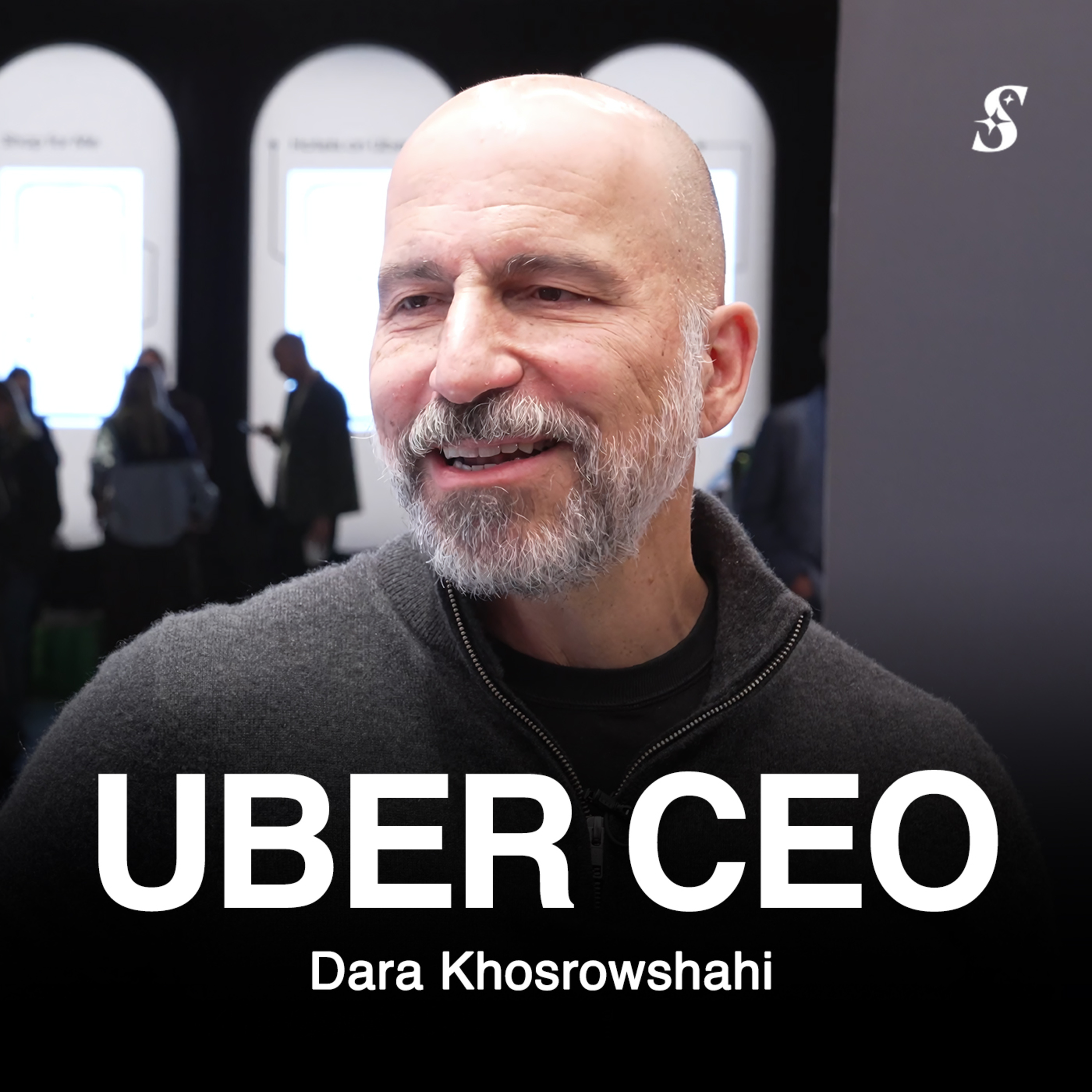
To avoid the filtered information that often reaches the C-suite, Dara Khosrowshahi deliberately bypasses management layers. He holds "no decks" jam sessions with engineers and product managers 2-4 levels down, speaking candidly to encourage honest feedback and get a real understanding of the company's challenges.
A key leadership trait of GM CEO Mary Barra is her practice of making herself "not the center of attention" in meetings. This intentional act brings out more voices and creates a more collaborative, less hierarchical environment where a wider range of ideas can be shared.

A top-performing CEO adapted the board practice of an "executive session." He periodically removes himself from his own leadership meetings and asks an HR leader to gather candid feedback on his performance. This powerfully models vulnerability and a commitment to continuous improvement for the entire organization.

Large-scale Q&A sessions are often ineffective and intimidating. Instead, have executives rotate through smaller breakout groups for Q&A. This creates "safer spaces," encouraging more authentic questions and making leaders more approachable, fostering better connections.

CEOs don't just appear on challenging podcasts for external publicity. A key, often overlooked, motivation is to demonstrate strength and competence to their own internal teams. Successfully navigating a tough interview proves to employees that their leader can handle pressure, something that can't be authentically conveyed in a controlled corporate setting.

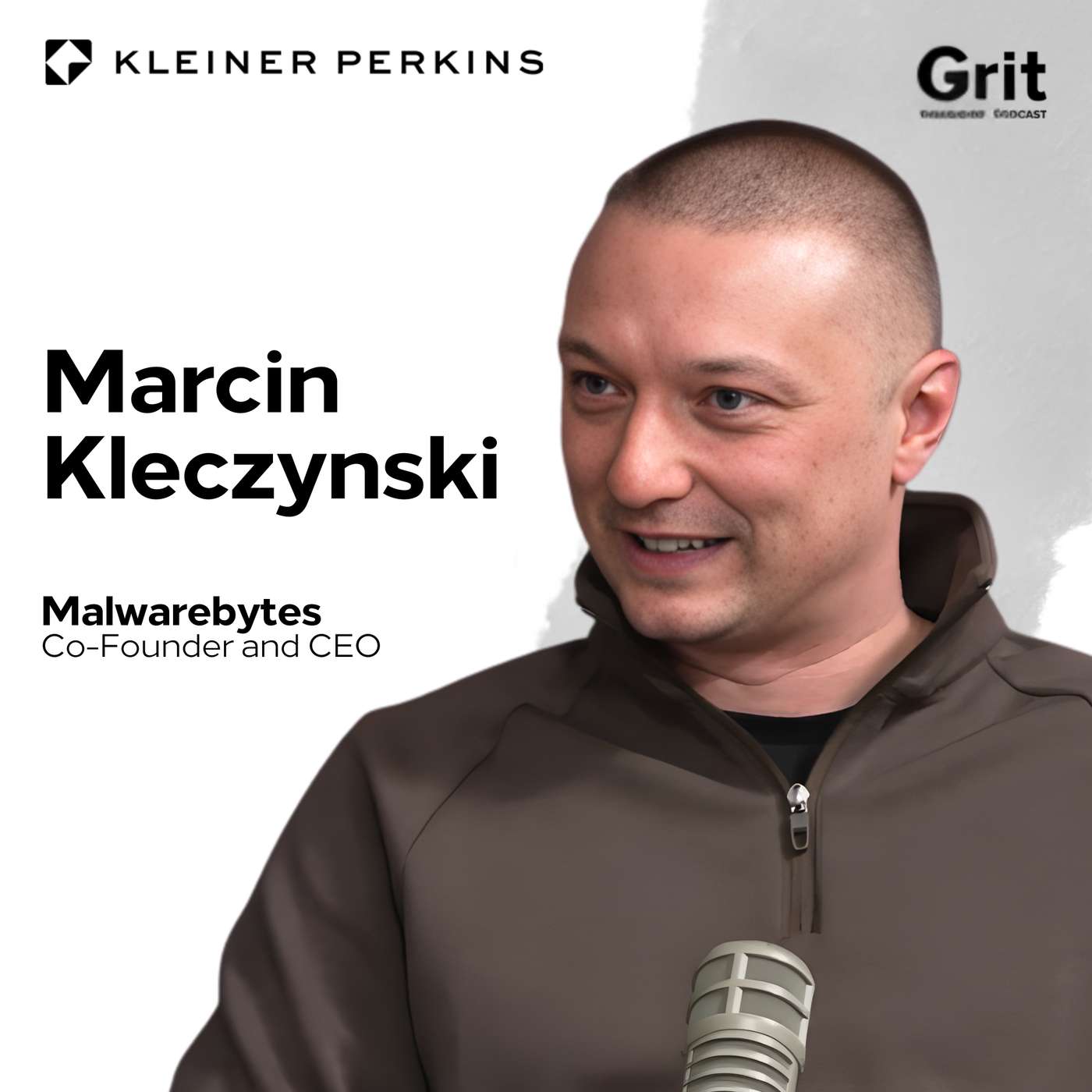
To get genuine interactions, the CEO of Malwarebytes often tells people he's 'just an engineer.' This approach stems from a servant leadership philosophy and allows him to receive unfiltered feedback about the company and its products, avoiding the pretense that comes with the CEO title.