Get your free personalized podcast brief
We scan new podcasts and send you the top 5 insights daily.
The biggest danger during high-volume periods is misaligned inventory causing stockouts. This creates such a poor customer experience that it doesn't just cancel one order but often prevents that person from ever becoming a repeat buyer, compounding the financial loss and damaging brand equity.

Related Insights
After their launch video went viral and they immediately sold out of razors, Dollar Shave Club kept sales open. They transparently informed new customers of a shipping delay but allowed them to continue placing orders. This captured massive demand that would have otherwise been lost.

When Daniel Lubetzky saw zero sales at Walmart, he assumed the product was a failure. He later realized it often meant the product was stuck in the backroom and never made it to shelves. This highlights the critical difference between a product problem and a logistics problem in CPG.
Labeling a product 'Sold Out' instead of 'Out of Stock' or 'Unavailable' reduces customer irritation by 15%. 'Sold Out' implies popularity and high demand (social proof), whereas 'Out of Stock' suggests logistical failure and company ineptitude. This simple, costless language change reframes the entire situation.

After a costly mistake left him with thousands of extra units, Solgaard's founder learned a key inventory lesson. He advises founders to avoid overly optimistic forecasting and go lean on inventory. Being slightly back-ordered is a better financial position than being overstocked with capital tied up in unsold goods.
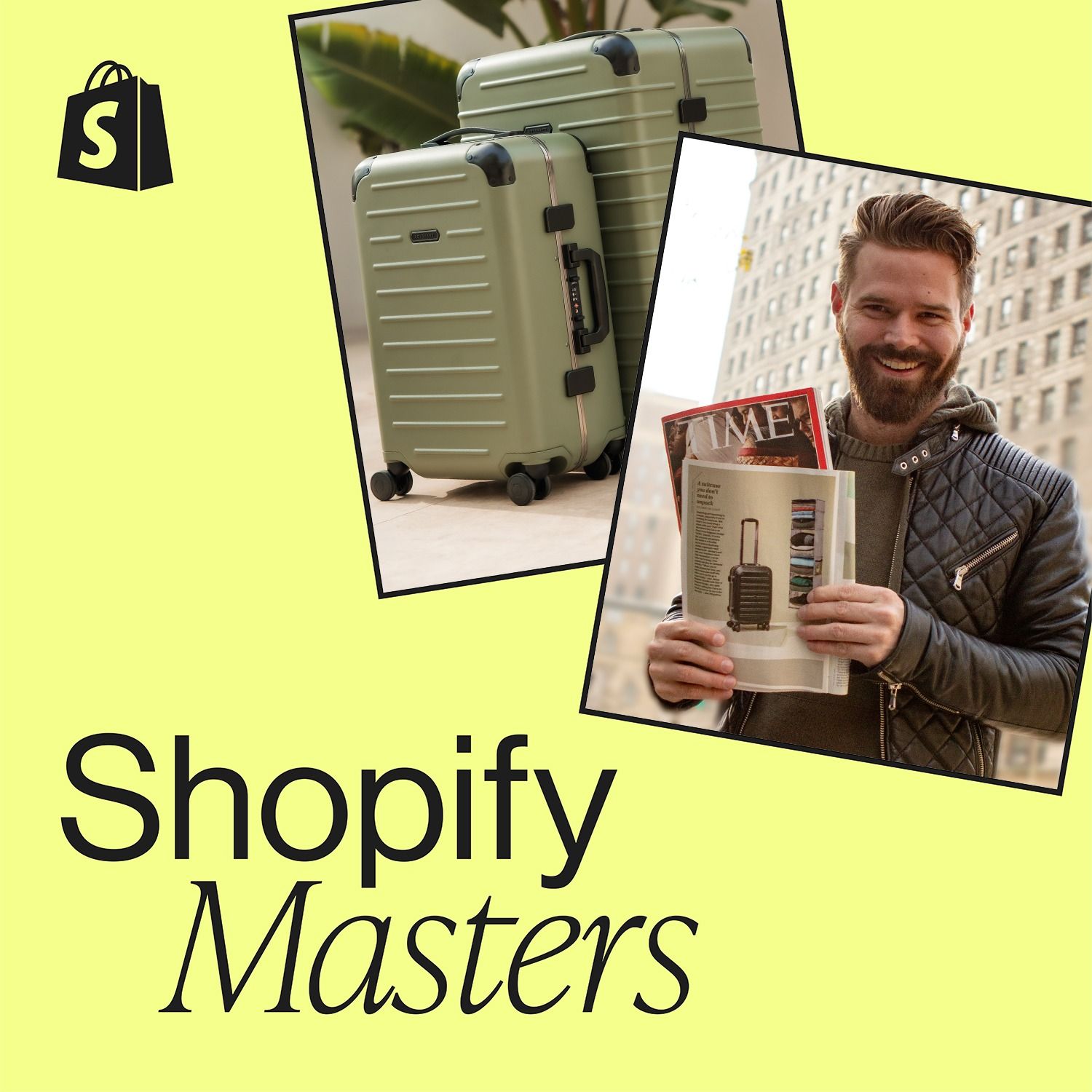
Lindsay Carter's most impactful early decision was placing a second purchase order before knowing if the first would succeed. This high-risk move ensured that once the initial inventory sold out, new product was arriving to keep the momentum going. In a hype-driven market, waiting for sales data can mean losing customer attention.

Facing a major inventory shortage six months in, Grüns slashed its marketing budget by 93% overnight. This protected their existing subscriber base, reinforcing the 'golden rule' that for a daily habit product, retaining current customers by never going out of stock is more important than acquiring new ones.

Comfort strategically adjusts prices based on stock availability, not just demand. For fast-selling items, they increase the price to slow sales velocity, ensuring they stay in stock longer and avoid disappointing customers. This prioritizes long-term stability over short-term sales volume.

To avoid the operational chaos of viral success, Shelter Skin deliberately caps production to match what they can manufacture and ship themselves. This prevents them from overselling and allows for sustainable, bootstrapped growth, even if it means frustrating some customers with temporary stockouts.

During post-COVID supply chain disruptions, Simple Mills viewed the chaos as an opportunity. While competitors struggled with an 80% fill rate for retailer orders, Simple Mills invested to maintain 96%. This reliability built immense retailer trust and ensured their product was always on the shelf, allowing them to capture competitor market share.

Companies are abandoning the long-held "just-in-time" optimization model in favor of resiliency. Faced with continuous supply shocks, businesses now see holding larger buffer stocks as a permanent feature, not a temporary bug, accepting higher working capital demands to ensure operational stability.
