Get your free personalized podcast brief
We scan new podcasts and send you the top 5 insights daily.
Bill Harris intentionally shed major assets like houses, cars, and a private plane. He argues that possessions require constant management—paying bills, fixing things, cleaning—which steals time and mental energy. This "shedding" phase brought him a sense of liberation he values more than the items themselves.

Related Insights
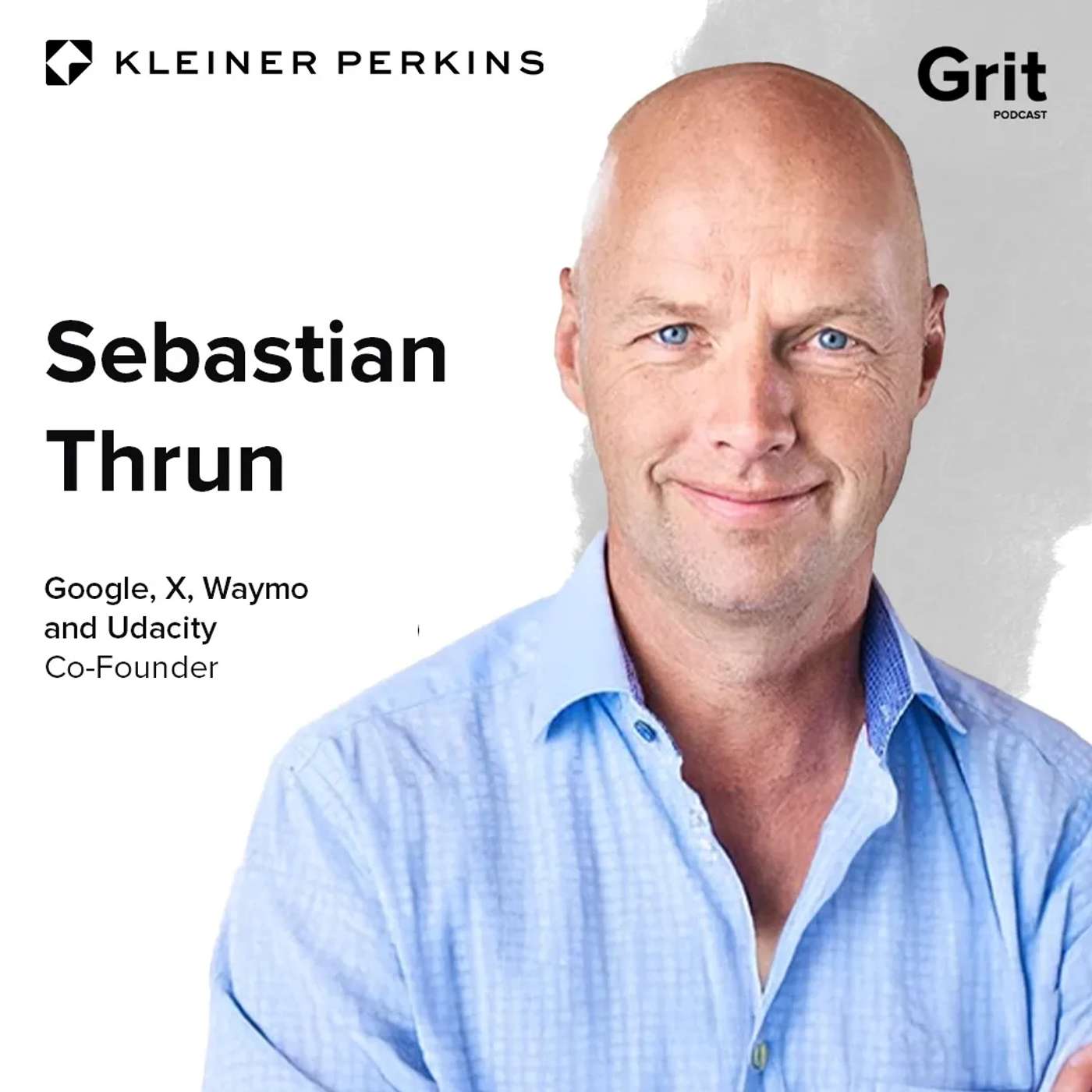
Sebastian Thrun bought a Ferrari to test if wealth brought happiness, but found it provided "zero days" of joy. He concluded that beyond basic needs, managing wealth is a time-consuming distraction that creates work (defending, growing, spending it) rather than enabling impactful creation.
A consistent pattern among wealthy founders reveals that worthwhile purchases enhance life by creating more time, improving health, and fostering calm. In contrast, purchases focused on status items like cars and watches are often regretted because they add complexity and responsibility without improving well-being.
After achieving financial success, the most valuable asset isn't money but the freedom of choice. This includes the ability to live a simple life by design, to not worry about small things, and to decide what truly matters, which is a far greater luxury than material possessions.
When money is tight, people desire material possessions. However, once they achieve true financial freedom, the desire for 'stuff' often vanishes. The focus shifts entirely to non-material assets like experiences, health, and quality time.

Despite having the funds, a majority of founders regret making large 'trophy' purchases right after selling. The sentiment that 'the things you own end up owning you' holds true, as these assets add new responsibilities and stress during a major life adjustment.
Financial success isn't measured by one's bank account but by the degree of control over one's time. Many high-net-worth individuals lack this autonomy, spending their days on unwanted tasks, representing a unique form of poverty despite their wealth.

High-net-worth individuals often find that owning luxury assets like multiple homes or cars adds significant mental overhead. Every new possession becomes a responsibility, pulling focus away from core business activities, unlike investing in startups which provides joy with less cognitive load.

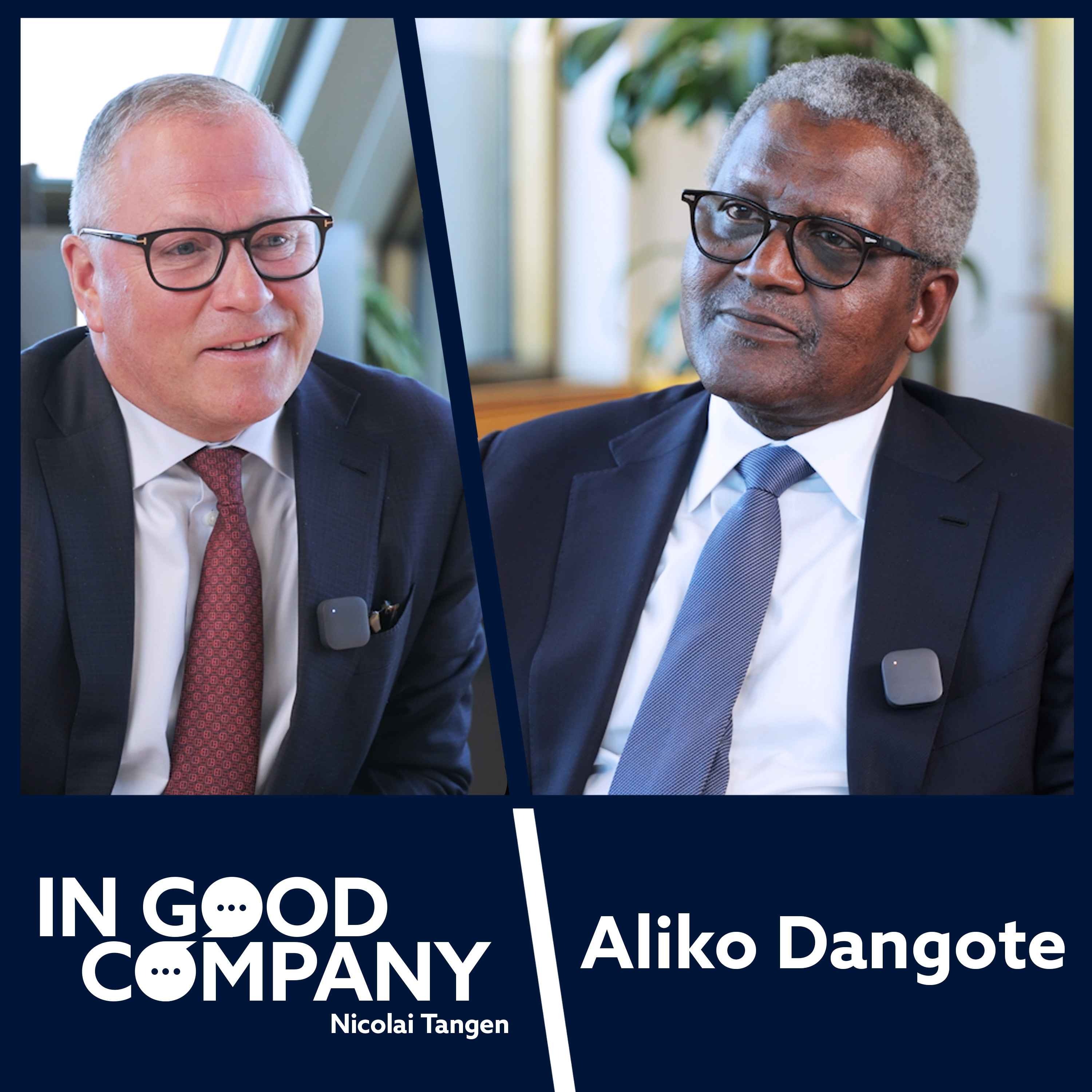
To fully commit to building his industrial empire in Nigeria, Dangote sold his personal mansions in the U.S. and U.K. He reasoned that owning holiday homes creates an artificial need to take time off to use them, serving as a distraction from his core mission. He now uses hotels exclusively.
Bill Harris reframes the purpose of wealth. Instead of viewing it as a way to keep score or as an end in itself, he sees it as a finite resource—like time—that should be deployed to build a desired life. This mindset shifts the focus from accumulation to strategic allocation for fulfillment.
Despite his success, Sami Inkinen didn't own a car until age 36. He rented a cheap car for eight years because it eliminated the mental overhead of maintenance, insurance, and cleaning. This reflects his core principle of simplifying life to focus only on what truly matters.
