Get your free personalized podcast brief
We scan new podcasts and send you the top 5 insights daily.
Despite his success, Sami Inkinen didn't own a car until age 36. He rented a cheap car for eight years because it eliminated the mental overhead of maintenance, insurance, and cleaning. This reflects his core principle of simplifying life to focus only on what truly matters.

Related Insights
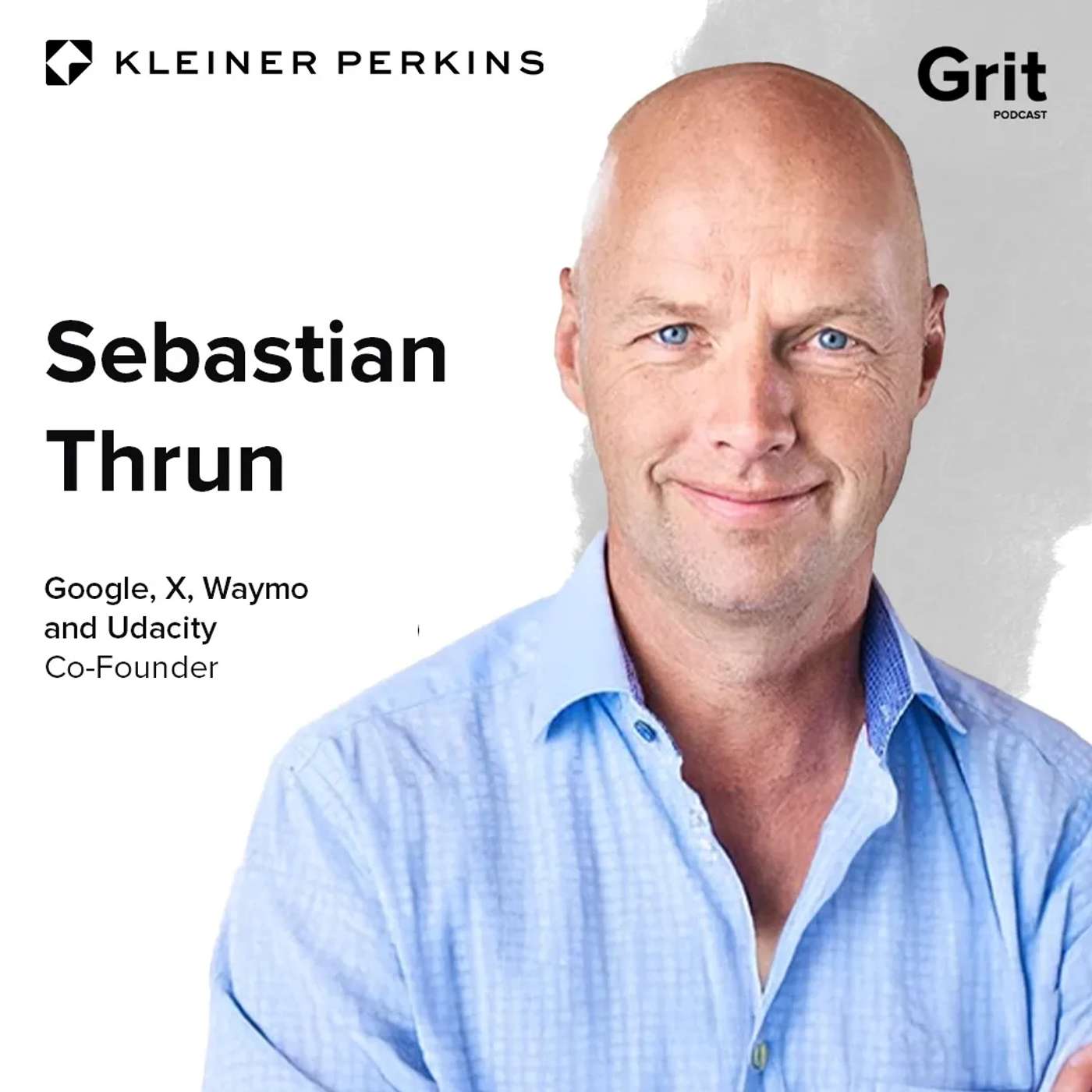
Sebastian Thrun bought a Ferrari to test if wealth brought happiness, but found it provided "zero days" of joy. He concluded that beyond basic needs, managing wealth is a time-consuming distraction that creates work (defending, growing, spending it) rather than enabling impactful creation.
A consistent pattern among wealthy founders reveals that worthwhile purchases enhance life by creating more time, improving health, and fostering calm. In contrast, purchases focused on status items like cars and watches are often regretted because they add complexity and responsibility without improving well-being.

After achieving financial success, the most valuable asset isn't money but the freedom of choice. This includes the ability to live a simple life by design, to not worry about small things, and to decide what truly matters, which is a far greater luxury than material possessions.

Lacking money removes the luxury of pursuing every whim or distraction. It forces you to ask fundamental questions about your true needs, trusted relationships, and what you're willing to work for, creating a powerful life compass that remains valuable even after you become successful.
Achieving extraordinary results in a few key areas requires ruthlessly eliminating distractions and saying "no" to most things. Top performers often cultivate mundane, focused lifestyles that others would find boring.

A CEO's personal frugality, like Jeff Bezos driving a Honda Accord, often translates directly into a corporate culture of intense cost control. This trait becomes a durable competitive advantage embedded in the business's DNA, influencing everything from vending machine light bulbs to major expenditures.

Daniel Lubetzky built his company by being resourceful, like using free furniture. Now a billionaire, he still avoids waste not because he has to, but as a core principle. This mindset trains the "muscle" for making deliberate choices, a skill he believes is critical for business and life.

Daniel Lubetzky's top financial tip is to create artificial scarcity to force disciplined choices. Even if you can afford something, ask if it's necessary. This reframes decisions away from affordability and towards value, preventing lifestyle creep and keeping focus on what truly matters.
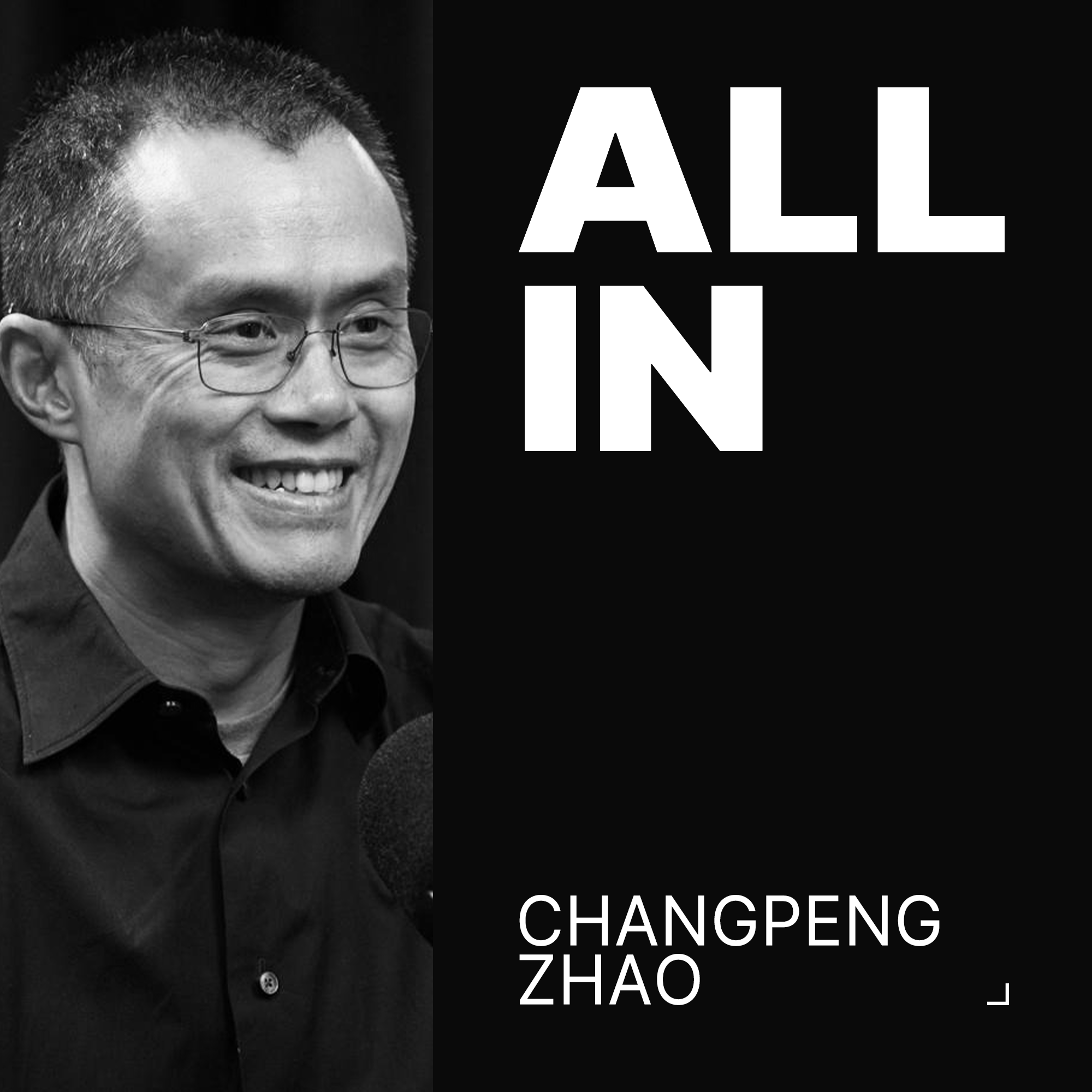
CZ went from "barely financially free" to a Forbes cover billionaire almost overnight. This jump meant he skipped the gradual wealth accumulation stages (e.g., buying fancy cars, then yachts) and never developed expensive habits, retaining a practical, function-over-form lifestyle.
Sami Inkinen credits his ability to perform at a high level as a CEO, athlete, and parent to finding liberation in focus. By saying "no" to 99% of "normal" activities, he can go all-in on the few things that truly matter, which he finds gratifying and fulfilling.