Get your free personalized podcast brief
We scan new podcasts and send you the top 5 insights daily.
High-net-worth individuals often find that owning luxury assets like multiple homes or cars adds significant mental overhead. Every new possession becomes a responsibility, pulling focus away from core business activities, unlike investing in startups which provides joy with less cognitive load.

Related Insights
A founder with a $4M liquid net worth and $500k household income still feels like life in a major city is a "struggle." High fixed costs like childcare and a mortgage, combined with lifestyle expectations, create a sense of financial pressure despite being objectively wealthy.

Sebastian Thrun bought a Ferrari to test if wealth brought happiness, but found it provided "zero days" of joy. He concluded that beyond basic needs, managing wealth is a time-consuming distraction that creates work (defending, growing, spending it) rather than enabling impactful creation.
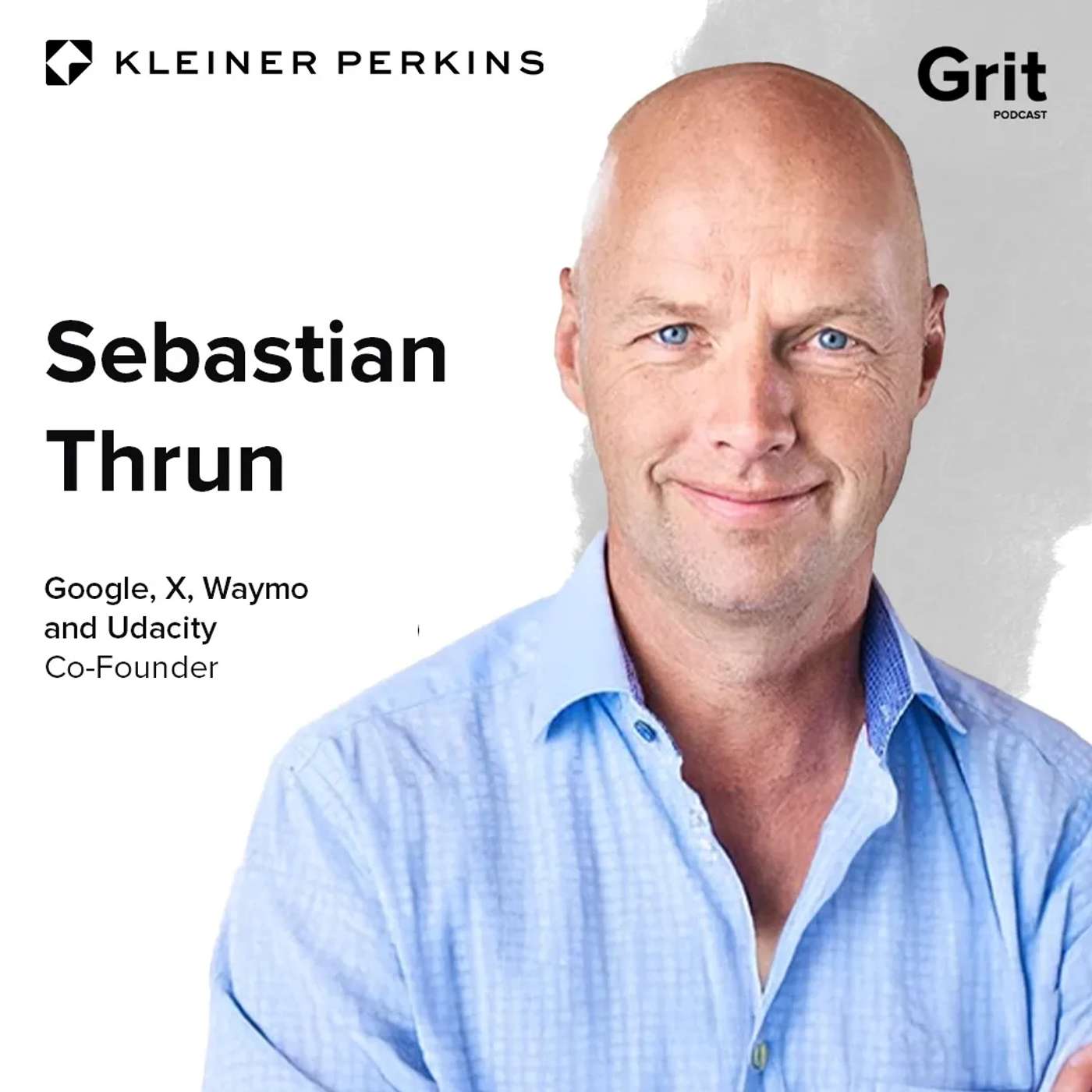
A consistent pattern among wealthy founders reveals that worthwhile purchases enhance life by creating more time, improving health, and fostering calm. In contrast, purchases focused on status items like cars and watches are often regretted because they add complexity and responsibility without improving well-being.
After achieving financial success, the most valuable asset isn't money but the freedom of choice. This includes the ability to live a simple life by design, to not worry about small things, and to decide what truly matters, which is a far greater luxury than material possessions.

When money is tight, people desire material possessions. However, once they achieve true financial freedom, the desire for 'stuff' often vanishes. The focus shifts entirely to non-material assets like experiences, health, and quality time.

Despite having the funds, a majority of founders regret making large 'trophy' purchases right after selling. The sentiment that 'the things you own end up owning you' holds true, as these assets add new responsibilities and stress during a major life adjustment.
While obsessive focus creates billionaires like Elon Musk, it often leads to a miserable life of board meetings. For entrepreneurs aiming for financial freedom and a balanced life, maintaining momentum by pursuing multiple interesting projects can be a more enjoyable and sustainable path.

A cautionary tale for founders who gain early liquidity. Lavish spending on items like Ferraris signals a shift in focus away from the company and customers, creating employee resentment and signaling risk to investors. It's a form of "toxic wealth" that distracts from the mission.

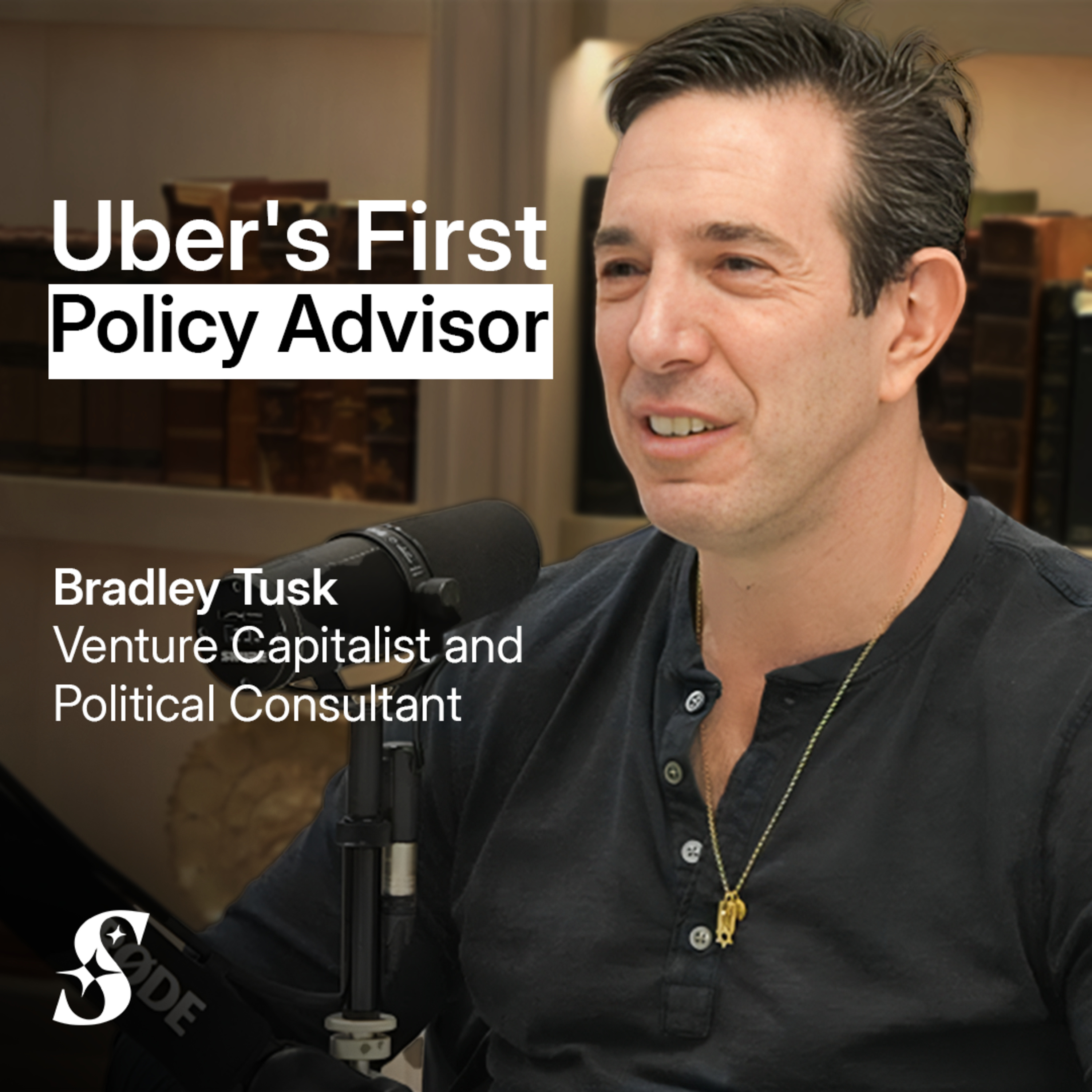
Tusk intentionally loses $1M/year on a bookstore, viewing it as an A/B test against spending the same on private flights. The bookstore provides meaning, purpose, and social affirmation—an 'abundance' return on happiness—that far outweighs the 'zero-sum' convenience and status of luxury travel.
Prosperity subtly ingrains lifestyle habits that become part of your identity. As industrialist Harvey Firestone noted, trying to return to a simpler life later is nearly impossible, as you would feel like a "broken man" for failing to maintain the standard you've become accustomed to.
