Get your free personalized podcast brief
We scan new podcasts and send you the top 5 insights daily.
Large corporations use expensive market research to understand customers. Simile's platform, which simulates human behavior, can level the playing field. It provides smaller companies with scalable, affordable access to customer feedback and predictive insights, which is normally cost-prohibitive for startups and SMBs.

Related Insights
Instead of immediately seeking interviews, founders can build an AI persona of their ideal customer. By feeding it documents and archetypes, they can rapidly query the persona to test value propositions, pricing, and features, compressing months of traditional customer discovery work into days.

Contrary to popular belief, AI will have a more profound impact on the SMB market than enterprise. It enables small companies to achieve more with fewer resources, leveling the playing field. This presents a massive transformation opportunity for MSPs who can guide and implement AI solutions for their clients.

AI-powered tools provide small businesses with unprecedented leverage, allowing them to compete on a larger scale without needing deep technical expertise. This "superpower" automates complex tasks, provides data insights, and enhances marketing capabilities, effectively leveling the playing field against bigger companies.

Traditional marketing relies on static, often biased customer personas. AI-driven systems replace these assumptions with dynamic models built on real-time user behavior. This allows startups to observe what customers actually do, removing bias and grounding strategy in reality.
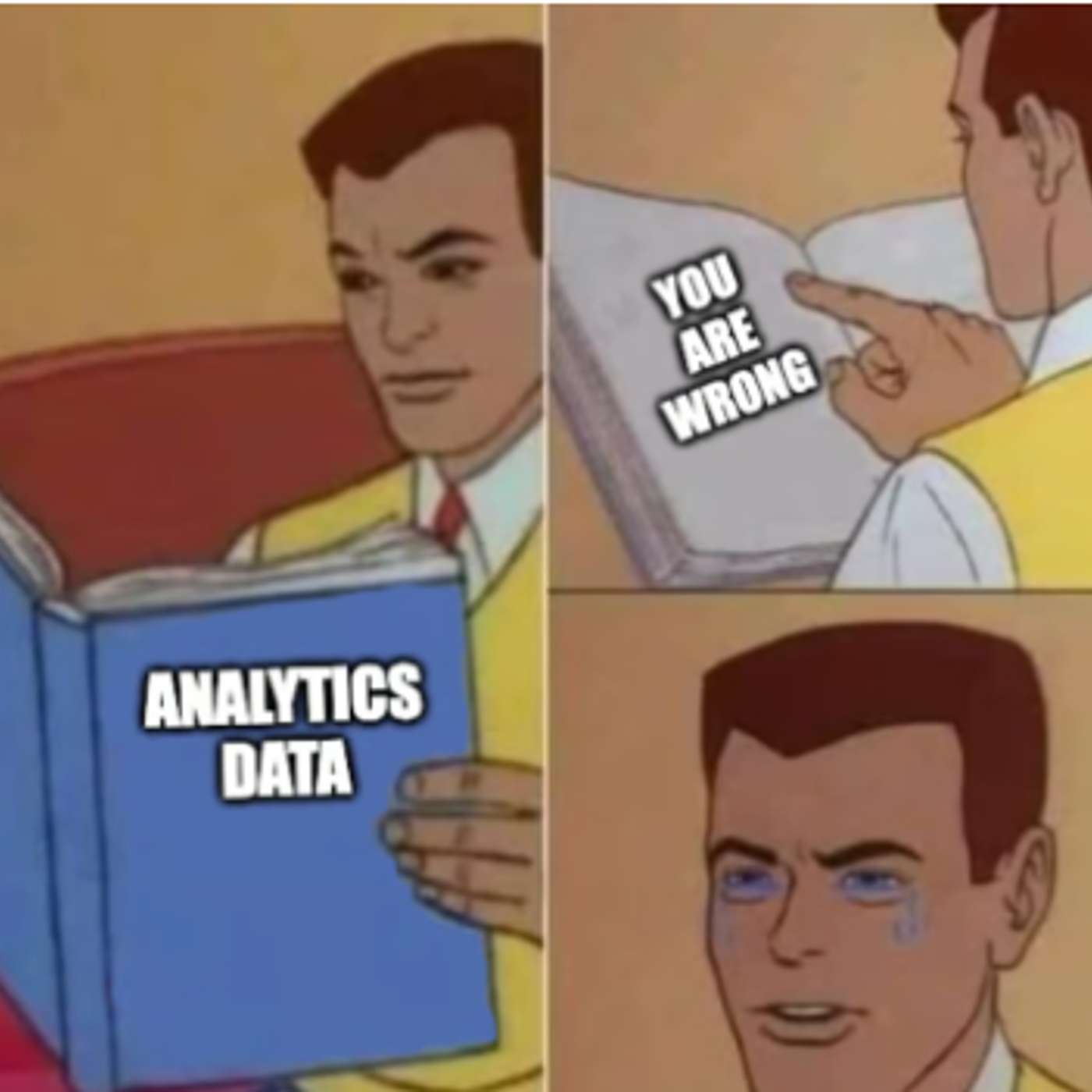
Startups should stop building customer personas on assumptions and surveys. Instead, use AI to analyze real-time behavioral data, creating dynamic profiles that update automatically. This shifts marketing from targeting who you think customers are to who they actually are based on their actions.

A study with Colgate-Palmolive found that large language models can accurately mimic real consumer behavior and purchase intent. This validates the use of "synthetic consumers" for market research, enabling companies to replace costly, slow human surveys with scalable AI personas for faster, richer product feedback.

Instead of manually sifting through overwhelming survey responses, input the raw data into an AI model. You can prompt it to identify distinct customer segments and generate detailed avatars—complete with pain points and desires—for each of your specific offers.

Expensive user research often sits unused in documents. By ingesting this static data, you can create interactive AI chatbot personas. This allows product and marketing teams to "talk to" their customers in real-time to test ad copy, features, and messaging, making research continuously actionable.

The most reliable customer insights will soon come from interviewing AI models trained on vast customer datasets. This is because AI can synthesize collective knowledge, while individual customers are often poor at articulating their true needs or answering questions effectively.

The biggest misconception is that SMBs aren't ready for AI. In reality, their lack of corporate bureaucracy allows them to be more agile and move faster than large enterprises. The key for vendors is to provide accessible, scalable solutions with a low entry point, enabling them to take small, quick steps.