Get your free personalized podcast brief
We scan new podcasts and send you the top 5 insights daily.
CMO Sherina Smith pinpoints Heinz Ketchup as her first brand awareness moment, where she realized some brands are non-negotiable and purchased with specific intent, shaping her understanding of brand power from a young age.

Related Insights
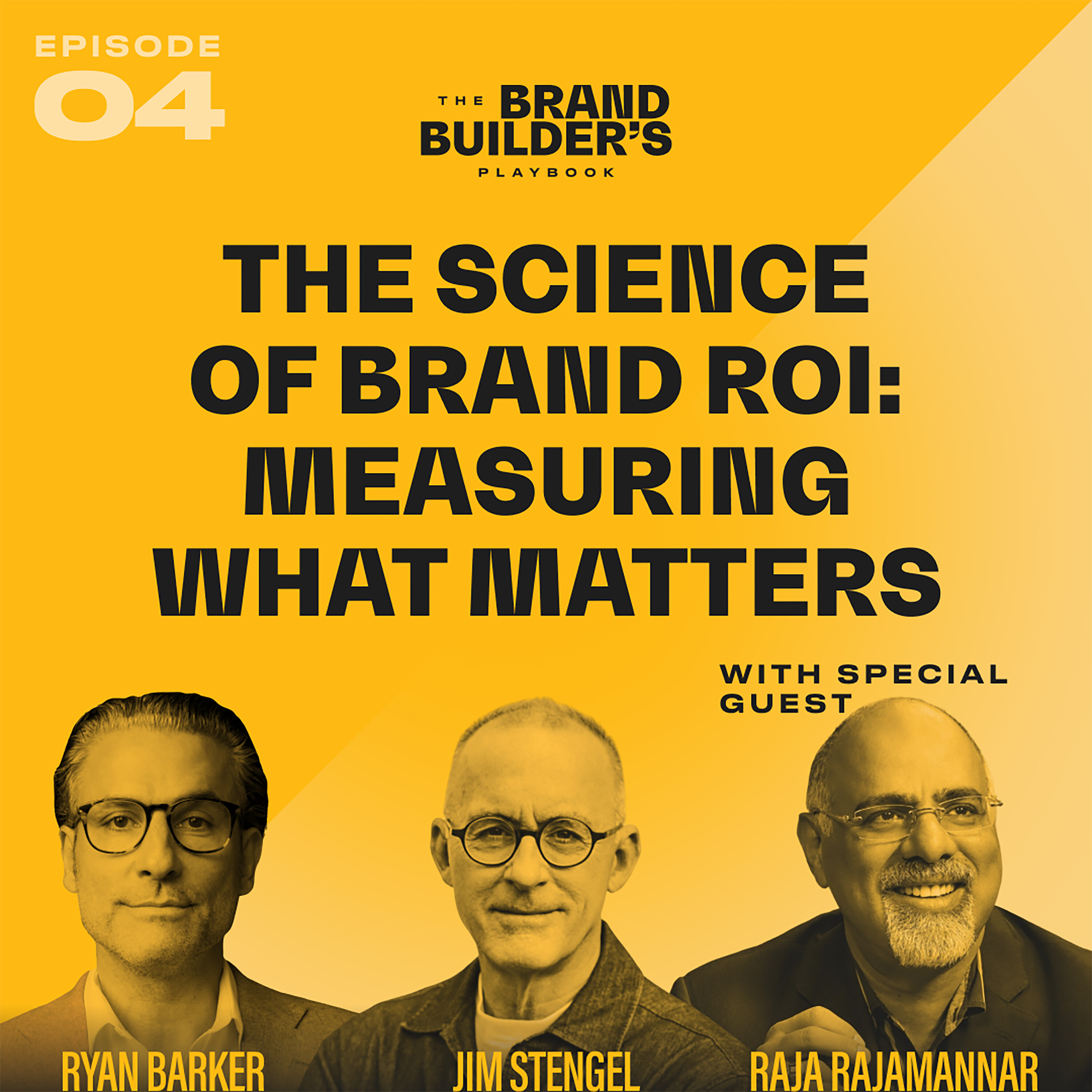
To convince a skeptical CFO who dismissed brand spend, MasterCard's CMO Raja Rajamannar pointed to her expensive Cartier watch. He explained that the significant price premium she paid over a functional, cheaper watch was the tangible, financial definition of brand value. This personal, disarming example immediately reframed the conversation.
Hedley & Bennett aims to be the next Le Creuset by making decisions that foster generational loyalty. This means prioritizing brand integrity and customer relationships over immediate financial gains, ensuring the brand becomes associated with core memories like Thanksgiving, not just fleeting trends.
Branding isn't a vague "feeling." It is the intentional engineering of an association between your product and a positive result in the customer's mind. For example, Coca-Cola pairs drinking their product with the outcome of "yum," making customers reach for it when they desire that feeling.

CMO Aaron Newkirk's father was a creative for Lincoln Mercury. Her childhood spent in the ad agency observing shoots and tight deadlines instilled a deep appreciation for storytelling, creativity, and a flexible work ethic, fundamentally shaping her approach to marketing.
The commodity product bleach, where Clorox holds 60% market share despite costing 40% more, shows how powerful branding builds trust. This model is transferable to home services, a 'perceived commodity,' enabling companies to build market share and pricing power through brand familiarity and trust.

The beer industry is a powerful training ground for marketers. With functionally identical products, success hinges purely on branding, teaching marketers how emotion, advertising, and sponsorships drive consumer choice when product differentiation is nonexistent.

The "Cuties" brand successfully escaped the commodity trap by creating strong brand recognition for mandarin oranges. They achieved this even while selling different fruit varieties under the same name, proving that powerful branding can build customer trust and loyalty that transcends the actual underlying product.

CMO Sherina Smith credits her 11 years at Kraft for teaching her to run a brand as a complete business. This training went beyond marketing, covering P&L management and cross-functional leadership without direct authority.
The "Got Milk?" campaign illustrates how to build a powerful brand for an undifferentiated commodity. By focusing on the emotional, everyday experiences associated with the product, it created cultural relevance and affective importance, effectively raising the profile of the entire milk category rather than a single company.
Coach's CMO cites Spam's journey—from immigrant staple to source of shame, now a trendy icon—as proof that brands don't have fixed meanings. People and culture constantly redefine a brand's significance, a lesson she learned before any formal brand strategy.