Get your free personalized podcast brief
We scan new podcasts and send you the top 5 insights daily.
The Lovable data incident reveals a critical vulnerability: non-technical users building apps may not understand that 'public' sharing settings can expose source code and chat histories, not just the final app. This creates a new vector for inadvertent corporate data breaches.

Related Insights
When using AI assistants for complex setups, users grow impatient with security prompts. They begin blindly approving permissions to accelerate the process, transforming a desire for efficiency into a major security vulnerability that bypasses established protocols through user consent.

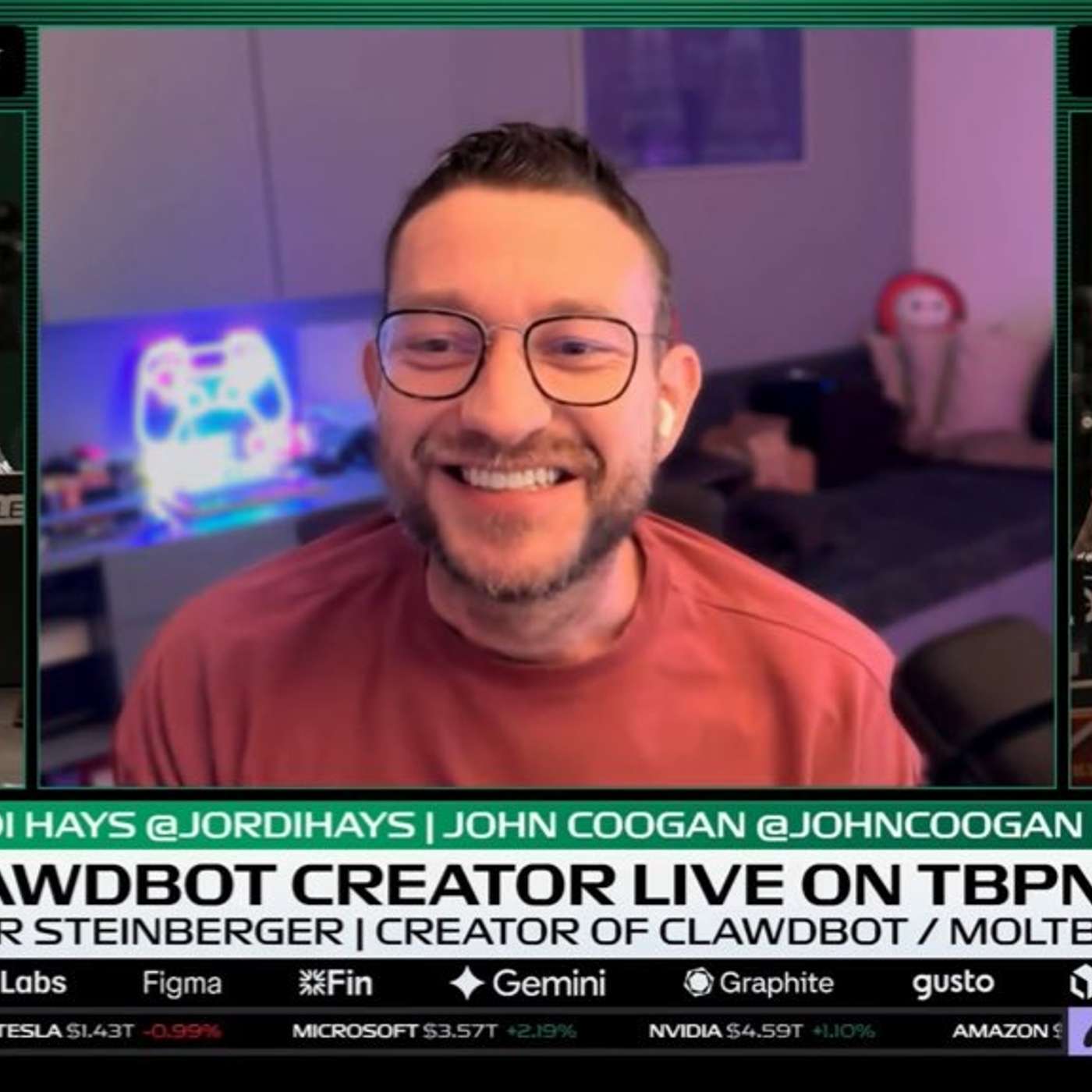
A personal project built for trusted environments can become a major security liability when it goes viral. Moltbot's creator now faces a barrage of security reports for unintended uses, like public-facing web apps. This highlights a critical, often overlooked challenge for solo open-source maintainers.
Enabling third-party apps within ChatGPT creates a significant data privacy risk. By connecting an app, users grant it access to account data, including past conversations and memories. This hidden data exchange is crucial for businesses to understand before enabling these integrations organization-wide.

The founder of AI agent social network Moltbook boasted of building the platform without writing code, which resulted in a massive data breach. The vulnerability, exposing 1.5 million API keys, could have been fixed with just two SQL statements, highlighting the peril of ignoring fundamental security practices for speed.

Low-code platforms have a massive opportunity to solve a decades-old security challenge by embedding "secure by default" guardrails. The key is transforming security from a technical hurdle into a configurable UI problem, making it digestible and manageable for the non-technical users who now build applications.

The rapid adoption of "vibe coding" apps by employees using production data has created a new "shadow AI" attack vector. This has spurred a market for enterprise-grade platforms that "harden" these tools by adding permissions, auditing, and IT oversight, turning a security risk into a new B2B software category.

The core value proposition of no-code platforms—building software without code—is being eroded by AI tools. AI-assisted 'vibe coding' makes it much easier for non-specialists to build internal line-of-business apps, a key use case for no-code, posing an existential threat to major players.

A significant threat is "Tool Poisoning," where a malicious tool advertises a benign function (e.g., "fetch weather") while its actual code exfiltrates data. The LLM, trusting the tool's self-description, will unknowingly execute the harmful operation.

Moltbook was reportedly created by an AI agent instructed to build a social network. This "bot vibe coding" resulted in a system with massive, easily exploitable security holes, highlighting the danger of deploying unaudited AI-generated infrastructure.

When companies don't provide sanctioned AI tools, employees turn to unsecured public versions like ChatGPT. This exposes proprietary data like sales playbooks, creating a significant security vulnerability and expanding the company's digital "attack surface."