Get your free personalized podcast brief
We scan new podcasts and send you the top 5 insights daily.
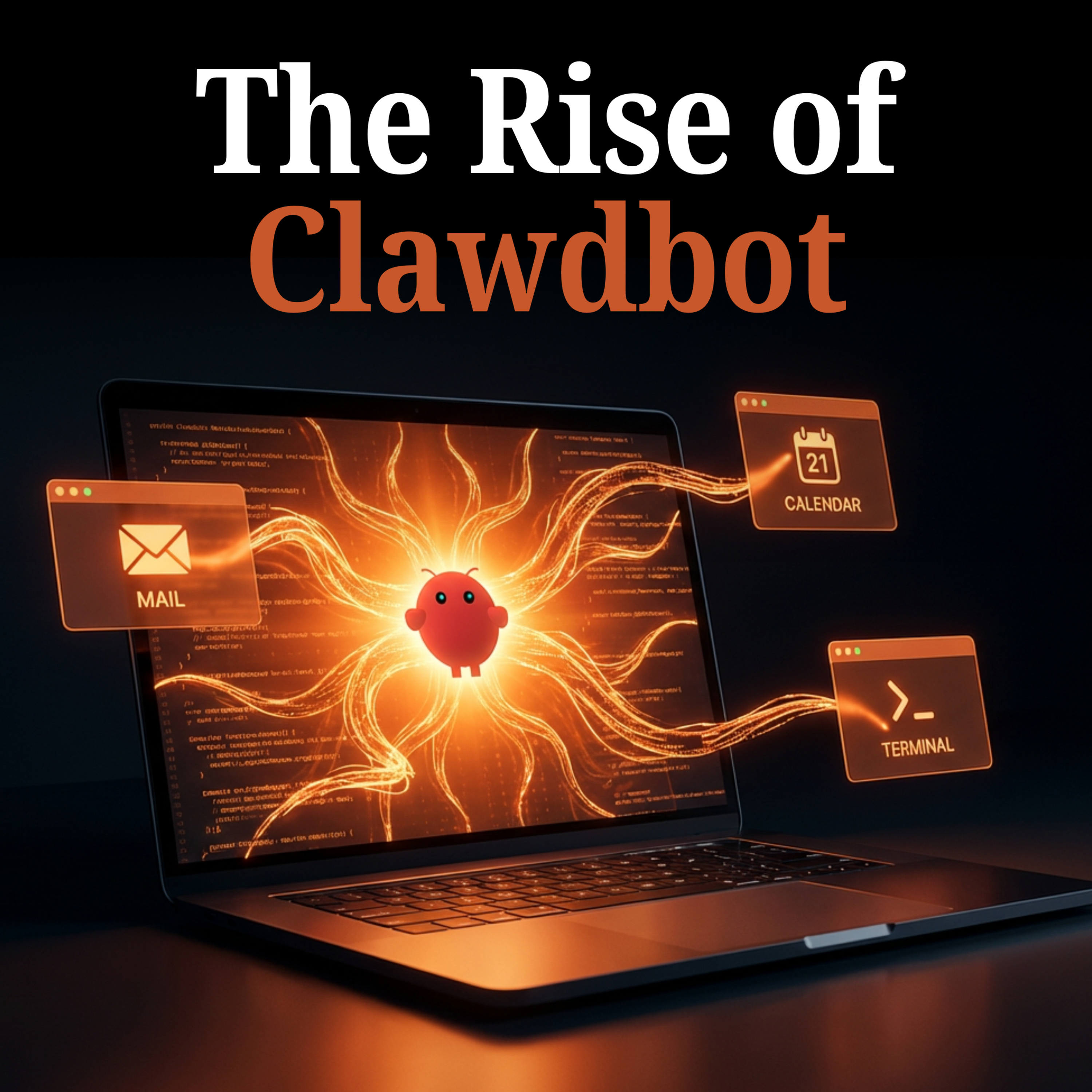
A personal project built for trusted environments can become a major security liability when it goes viral. Moltbot's creator now faces a barrage of security reports for unintended uses, like public-facing web apps. This highlights a critical, often overlooked challenge for solo open-source maintainers.
Related Insights
By integrating with messaging and files, Claude Bot creates attack vectors for social engineering, such as executing fraudulent wire transfers. This level of risk makes it impossible for major tech companies to release a similar product without solving complex security and containment issues first.

Instead of trying to build an impenetrable fortress, early-stage founders should focus security efforts on mitigating the *volume* of potential damage. Simple tactics like rate-limiting all endpoints and creating easy-to-use IP/account banning tools can prevent catastrophic abuse from succeeding at scale.

The core issue with Grok generating abusive material wasn't the creation of a new capability, but its seamless integration into X. This made a previously niche, high-effort malicious activity effortlessly available to millions of users on a major social media platform, dramatically scaling the potential for harm.

The ease of finding AI "undressing" apps (85 sites found in an hour) reveals a critical vulnerability. Because open-source models can be trained for this purpose, technical filters from major labs like OpenAI are insufficient. The core issue is uncontrolled distribution, making it a societal awareness challenge.
Solo developers can integrate AI tools like BugBot with GitHub to automatically review pull requests. These specialized AIs are trained to find security vulnerabilities and bugs that a solo builder might miss, providing a crucial safety net and peace of mind.

AI 'agents' that can take actions on your computer—clicking links, copying text—create new security vulnerabilities. These tools, even from major labs, are not fully tested and can be exploited to inject malicious code or perform unauthorized actions, requiring vigilance from IT departments.

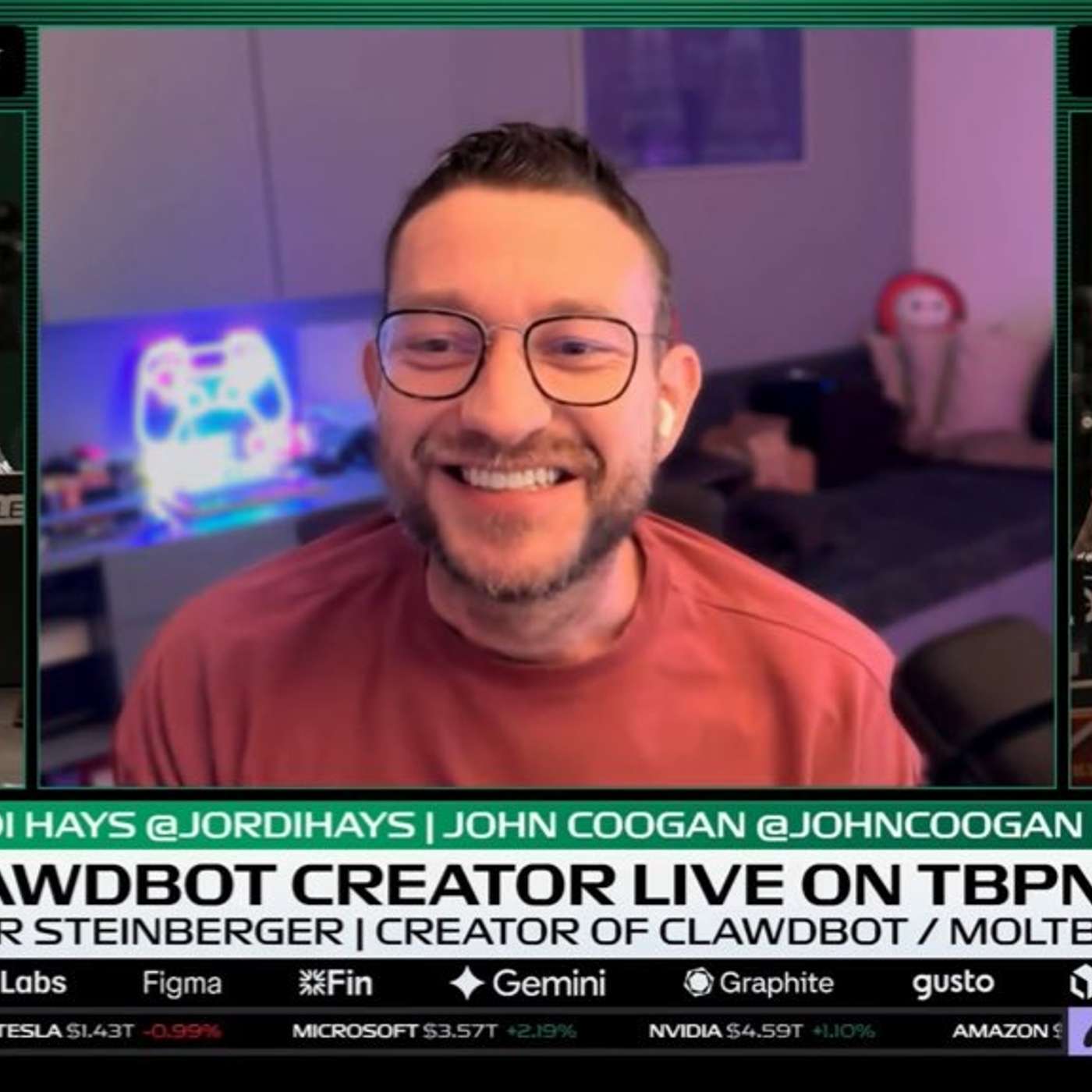
Moltbot's creator highlights a key challenge: viral success transforms a fun personal project into an overwhelming public utility. The creator is suddenly bombarded with support requests, security reports, and feature demands from users with different use cases, forcing a shift from solo hacking to community-led maintenance or a foundation.
Despite massive traction and investor interest, the creator of the viral AI agent Moltbot insists his primary motivation is having fun and inspiring others, not making money. This philosophy informs his decision to keep the project open-source and resist forming a traditional company, showcasing an alternative path for impactful tech.
When companies don't provide sanctioned AI tools, employees turn to unsecured public versions like ChatGPT. This exposes proprietary data like sales playbooks, creating a significant security vulnerability and expanding the company's digital "attack surface."

The agent's ability to access all your apps and data creates immense utility but also exposes users to severe security risks like prompt injection, where a malicious email could hijack the system without their knowledge.