Get your free personalized podcast brief
We scan new podcasts and send you the top 5 insights daily.
The 1979 Three Mile Island nuclear incident occurred just 12 days after the premiere of "The China Syndrome," a Hollywood movie about a near-identical plant accident. This eerie timing massively amplified public fear and distrust of nuclear technology.

Related Insights
Public and political fear of Japanese economic takeover reached its zenith in the early 1990s, with books like Michael Crichton's "Rising Sun." Ironically, this coincided with the bursting of Japan's asset bubble, highlighting a critical lag between economic reality and popular discourse.

While Chernobyl is often cited as the worst energy disaster, a 1979 hydropower dam collapse in China killed an estimated 200,000 people. This event, hidden by the Chinese government for 20 years, dwarfs the estimated 4,000 premature deaths from Chernobyl.
The public's rejection of nuclear power is a 'perfect storm' of psychological biases: the high salience of disasters (availability heuristic), an intuitive fear of 'contamination,' and the desire to eliminate one scary risk rather than reduce overall aggregate danger.

Contrary to the belief that people seek escapism during turbulent times, research shows a surge of interest in scary entertainment following real-life traumatic events. For example, after a campus murder, students in the victim's dorm were most likely to choose to watch a violent movie, suggesting a need to process and understand the threat.
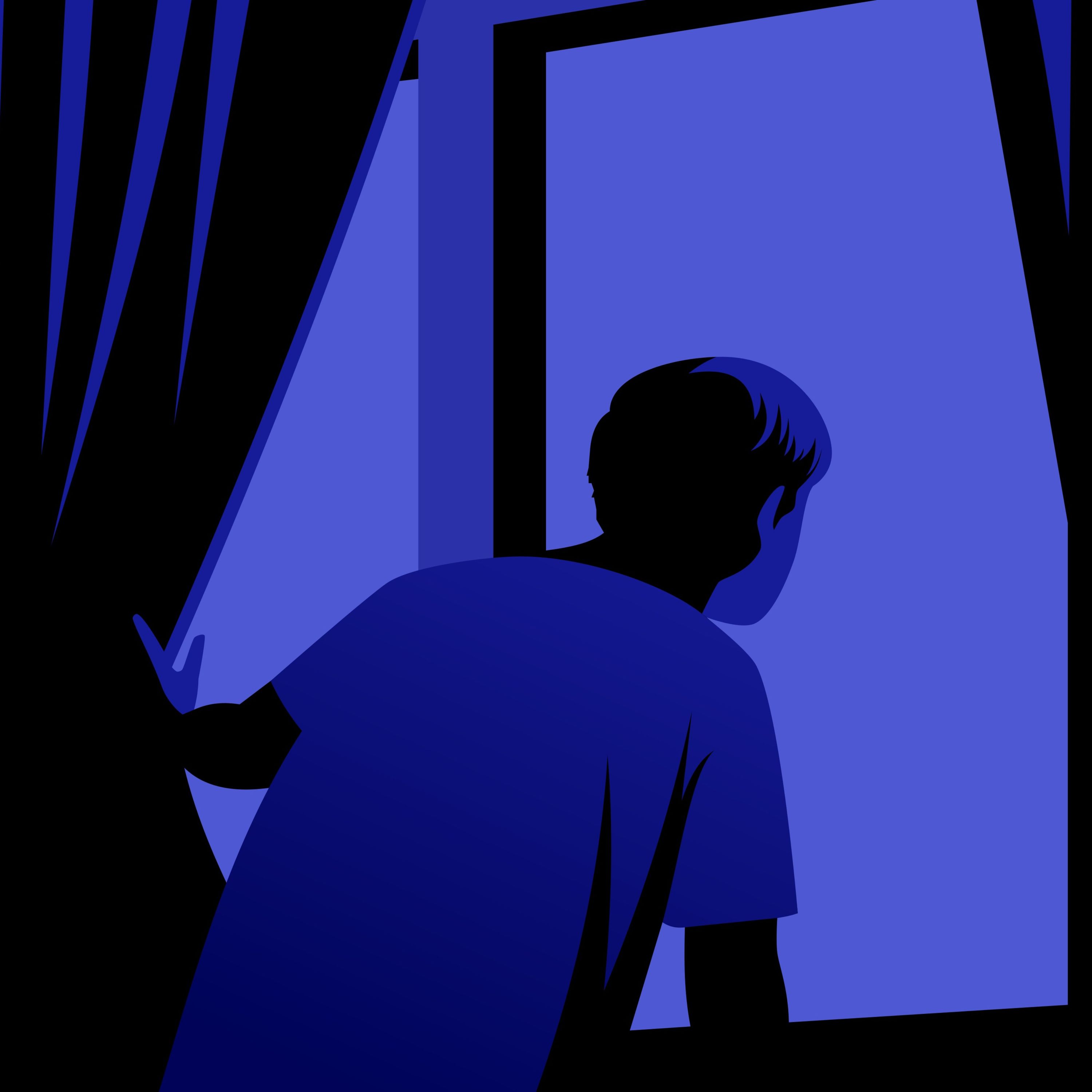
Public perception of nuclear power is skewed by highly visible but rare disasters. A data-driven risk analysis reveals it is one of the safest energy sources. Fossil fuels, through constant air pollution, cause millions of deaths annually, making them orders of magnitude more dangerous.

An initially moderate pessimistic stance on new technology often escalates into advocacy for draconian policies. The 1970s ban on civilian nuclear power is a prime example of a fear-based decision that created catastrophic long-term consequences, including strengthening geopolitical rivals.

Societal fears, or "moral panics," are cyclical. While the targets change (from witchcraft to 5G wireless), the underlying tactics of exploiting fears around child safety and innocence remain consistent throughout history, repeating the same patterns.

Perception of nuclear power is sharply divided by age. Those who remember the Three Mile Island accident are fearful, while younger generations, facing the climate crisis, see it as a clean solution. As this younger cohort gains power, a return to nuclear energy becomes increasingly likely.
People watch horror films not just for the thrill, but to vicariously experience and understand potential dangers. This allows them to process anxieties about real-world threats, from pandemics to AI, in a controlled setting, serving as a form of psychological preparation.
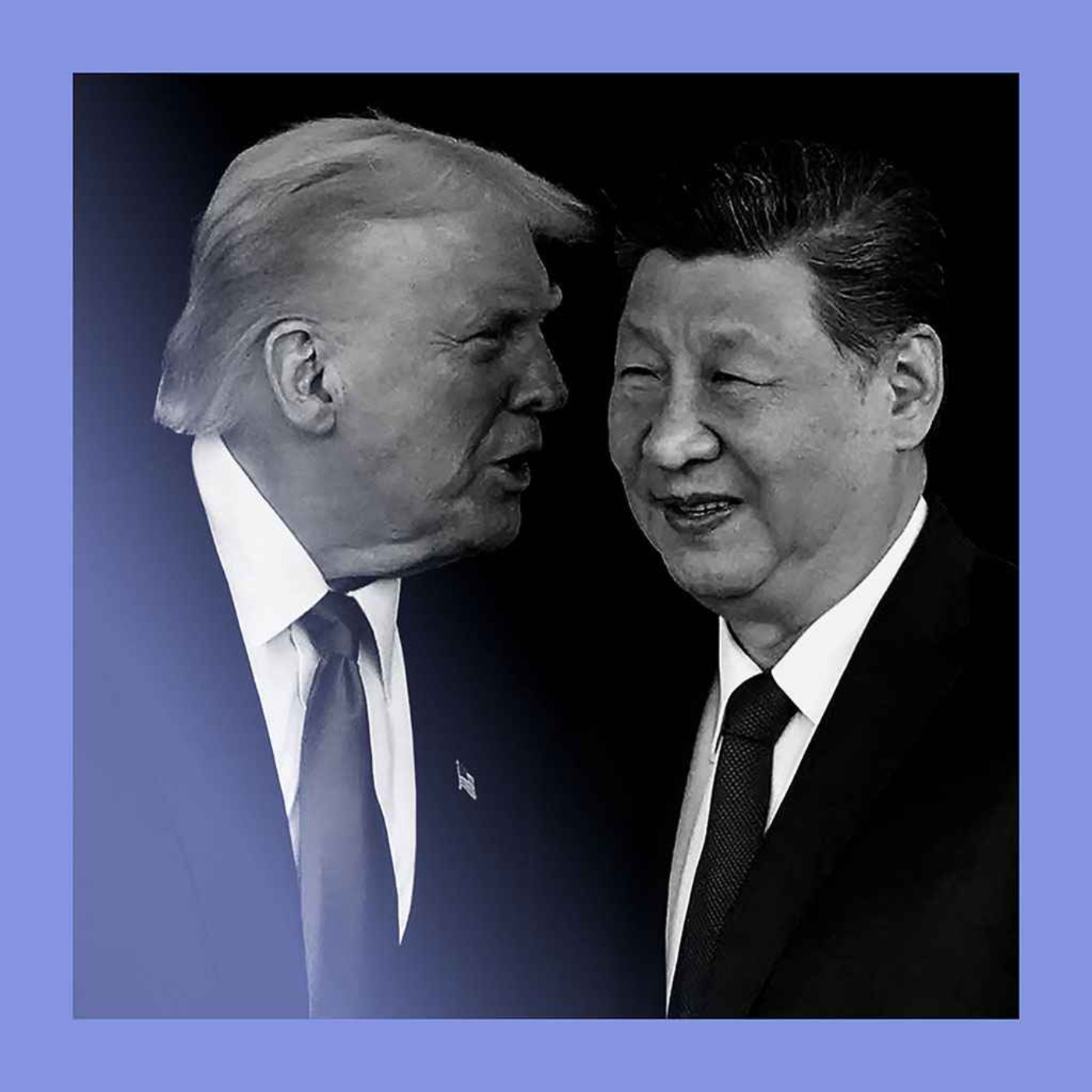
The term "Pre-Traumatic Stress Disorder" describes the unique psychological burden of foreseeing a technological catastrophe, like social media's societal impact, long before it unfolds. It captures the trauma experienced by those who watch an inevitable disaster that others cannot yet see.
