Get your free personalized podcast brief
We scan new podcasts and send you the top 5 insights daily.
Team members learn the capabilities and best practices for using their own AI agents by observing others' interactions in public channels. This "mid journey dynamic" creates a tacit transmission of knowledge about what's possible, accelerating the entire organization's learning curve much faster than formal training.

Related Insights
To encourage AI adoption, Bitly's marketing team holds a weekly, low-preparation "How I AI" meeting. Team members share personal AI use cases, fostering a safe learning environment, spreading practical knowledge across roles, and helping overcome the common feeling of imposter syndrome around AI.

To truly integrate AI, go beyond simply telling your team to "learn more." The founder of Search Atlas advocates for organizing multi-day, in-person hackathons. This focused, collaborative environment, where teams tackle specific problems together, fosters a deeper and faster mastery of practical AI applications than solo, online efforts can achieve.

AI curiosity involves individuals testing tools in isolation. AI fluency is a collective capability where teams share a common language, integrated workflows, and a foundational understanding of how AI drives strategy. This fluency is built through consistent, shared learning and processes.

The best test of knowledge is the ability to teach it. By having employees explain a new AI tool or workflow to their peers, they are forced to solidify their own understanding and identify knowledge gaps. This process turns passive learning into active expertise.

To overcome employee time constraints, Pendo implemented both scheduled, interactive workshops to create dedicated learning time and a Slack channel for asynchronous, "many-to-many" sharing. This dual approach ensures both focused learning and continuous, organic knowledge exchange across the organization.
Using AI agents in shared Slack channels transforms coding from a solo activity into a collaborative one. Multiple team members can observe the agent's work, provide corrective feedback in the same thread, and collectively guide the task to completion, fostering shared knowledge.
By building internal AI agents directly into Slack, their usage becomes public and visible. This visibility is key for driving adoption; seeing a bot turn a message into a PR creates a "holy shit" moment that sparks curiosity and makes others want to use the tool, creating a natural viral effect.

Instead of passively learning about AI, executives should actively deploy a simple agentic product. This hands-on experience of training and QA provides far more valuable, practical knowledge than any course or subscription, putting you ahead of 90% of peers.
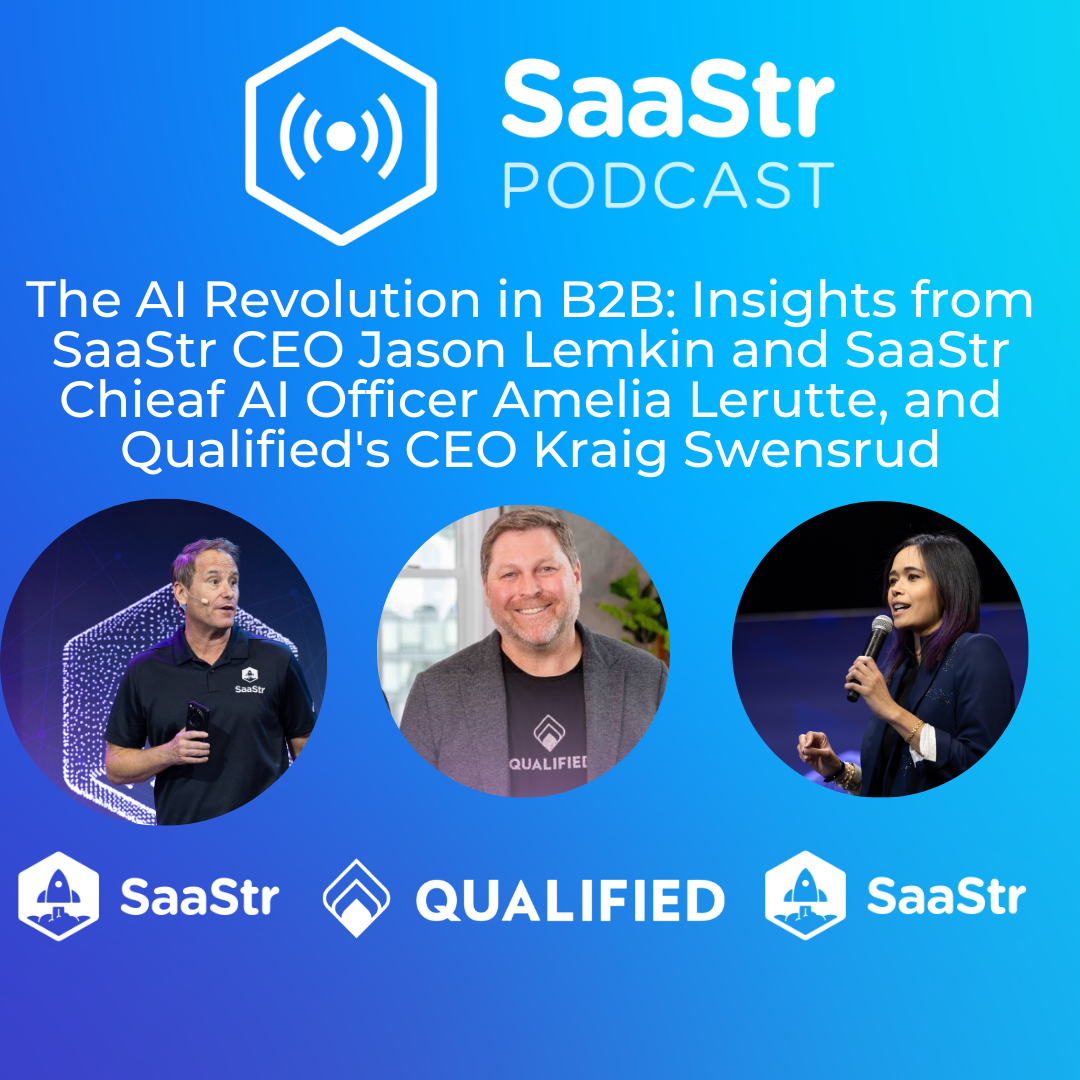
Individual AI use is often a siloed, one-to-one experience. To foster collective learning, create a dedicated "AI Playground" Slack channel. This gives team members a space to share successful prompts, interesting outputs, and even failures, turning individual experimentation into a shared team asset.

Atlassian's AI onboarding agent, Nora, answers new hires' logistical questions, reducing their reluctance to bother managers. More strategically, this initial, low-stakes interaction serves as an effective on-ramp, conditioning employees from day one to view AI as a standard collaborative tool for their core work.