Get your free personalized podcast brief
We scan new podcasts and send you the top 5 insights daily.
No matter how intelligent you are, personal bias clouds judgment. For all significant decisions—personal, professional, or economic—consult a trusted "kitchen cabinet" of objective advisors. This external perspective is crucial for sound decision-making and protects against isolated thinking.
Related Insights
The biggest professional and personal problems often stem from a lack of candor. Withholding honest feedback to "keep the peace" is a destructive act that enables bad behavior and builds personal resentment over time. Delivering the truth, even when difficult, is a gift that addresses problems head-on and prevents future failure.

When facing ambiguity, the best strategy is not to wait for perfect information but to engage in "sense-making." This involves taking small, strategic actions, gathering data from them, and progressively building an understanding of the situation, rather than being paralyzed by analysis.

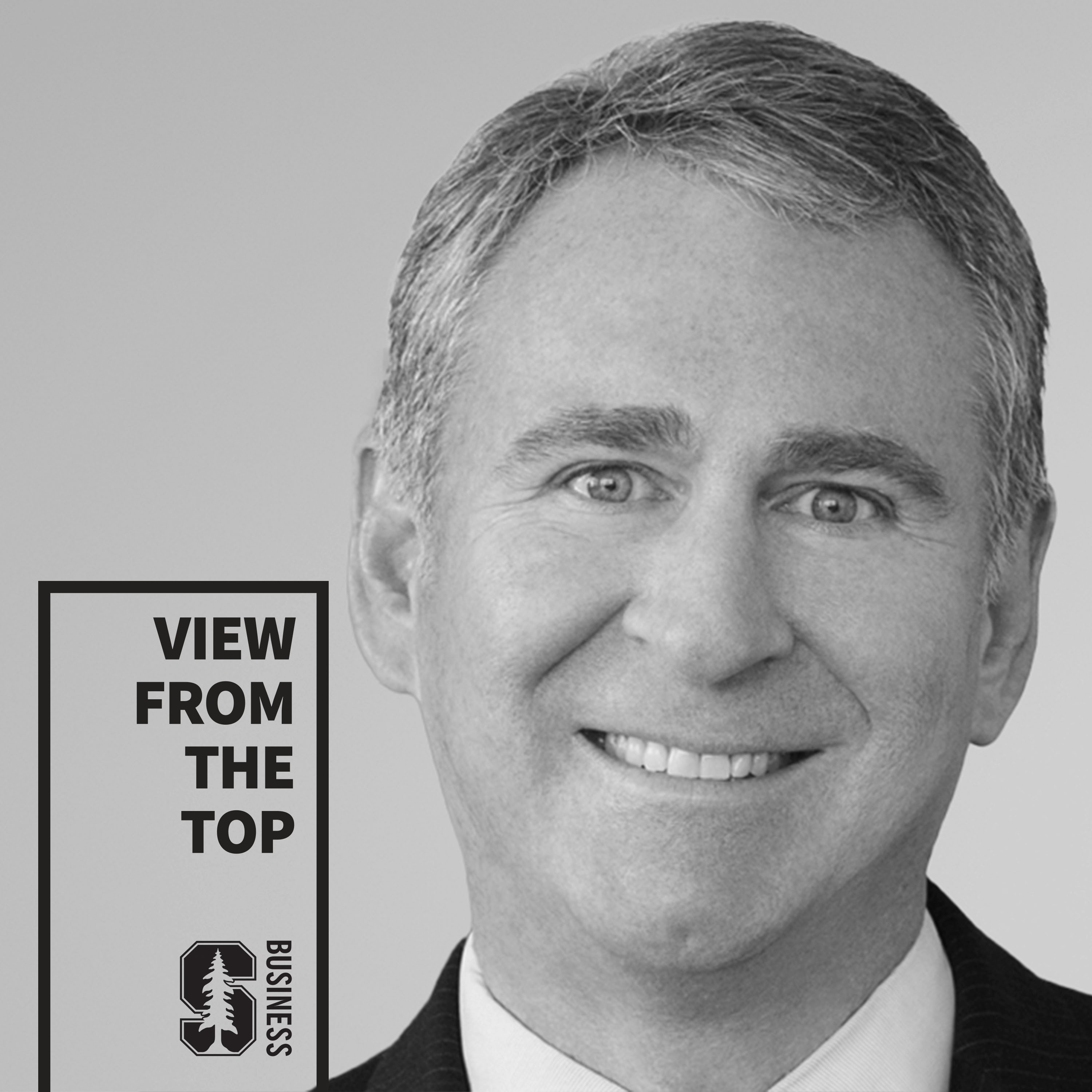
Ken Griffin warns that the worst career move is to join a firm where you are the smartest person in the room. Instead, graduates should optimize their job search for the steepest learning environment, surrounding themselves with colleagues who are demonstrably more knowledgeable in various domains.
The best leaders act on incomplete information, understanding that 100% certainty is a myth that only exists in hindsight. The inability to decide amid ambiguity—choosing inaction—is a greater failure than making the wrong call.

The difference between a true partner and an employee is whether you seek their counsel on complex problems. If you consistently go to them for advice when you're unsure, they're a partner. If you only give them direction, they are not a "thought partner," which is a red flag for a C-level executive role.

True growth and access to high-level opportunities come not from feigning knowledge, but from openly admitting ignorance. This vulnerability invites mentorship and opens doors to conversations where real learning occurs, especially in complex fields like investing, which may otherwise seem like a "scam."

Experts often view problems through the narrow lens of their own discipline, a cognitive bias known as the "expertise trap" or Maslow's Law. This limits the tools and perspectives applied, leading to suboptimal solutions. The remedy is intentional collaboration with individuals who possess different functional toolkits.
To effectively leverage AI, treat it as a new team member. Take its suggestions seriously and give it the best opportunity to contribute. However, just like with a human colleague, you must apply a critical filter, question its output, and ultimately remain accountable for the final result.

People exhibit "Solomon's paradox": they are wiser when solving others' problems than their own. To overcome this, view your challenges through a third-person lens. Mentally frame the issue as if you were advising a friend—or even refer to yourself by name—to gain dispassionate clarity.
The most common financial mistakes happen not from bad advice, but from applying good advice that is mismatched with your individual personality and goals. Finance is an art of self-awareness, not a universal science where one strategy fits all. The optimal path for someone else could be disastrous for you.
