Get your free personalized podcast brief
We scan new podcasts and send you the top 5 insights daily.
Artist Nicky Jam revived his failing career by moving to Colombia to become its #1 artist. He theorized that dominating a single, large market (65M people) would create a 'Why is he so popular?' effect, generating curiosity and catapulting him back onto the global stage. This is a 'go deep, not wide' strategy.

Related Insights
As you grow globally, the biggest risk is forgetting the initial community that gave you your break. Forgetting them is your 'kryptonite.' Create rituals, like Nicky Jam throwing a free annual concert in Colombia, to perpetually show gratitude. This maintains an authentic foundation and prevents growth from feeling manipulative.
A travel media company was built by creating hyper-specific content about its home base, London. This niche didn't require expensive, constant travel, provided a massive and evergreen audience of tourists, and allowed for the development of deep expertise, making the business more scalable and profitable.

As platforms mature and become saturated, broad, vanilla content fails. Success shifts from a content battle to a context battle. The key is creating hyper-specific content for a niche audience, such as a video tailored to the language and cultural references of a narrow demographic.
Instead of competing in a saturated local market, seek geographic locations where your skills are in high demand but supply is low. A construction framer found massive success by flying to Alaska for work, where competition was scarce, rather than fighting for slim margins in California.

A company with modest growth experimented with niche content for a small user segment, revealing a massive, underserved market. This led to a second, separate app that quickly surpassed the original product's revenue and drove hyper-growth, challenging the "focus on one thing" dogma.

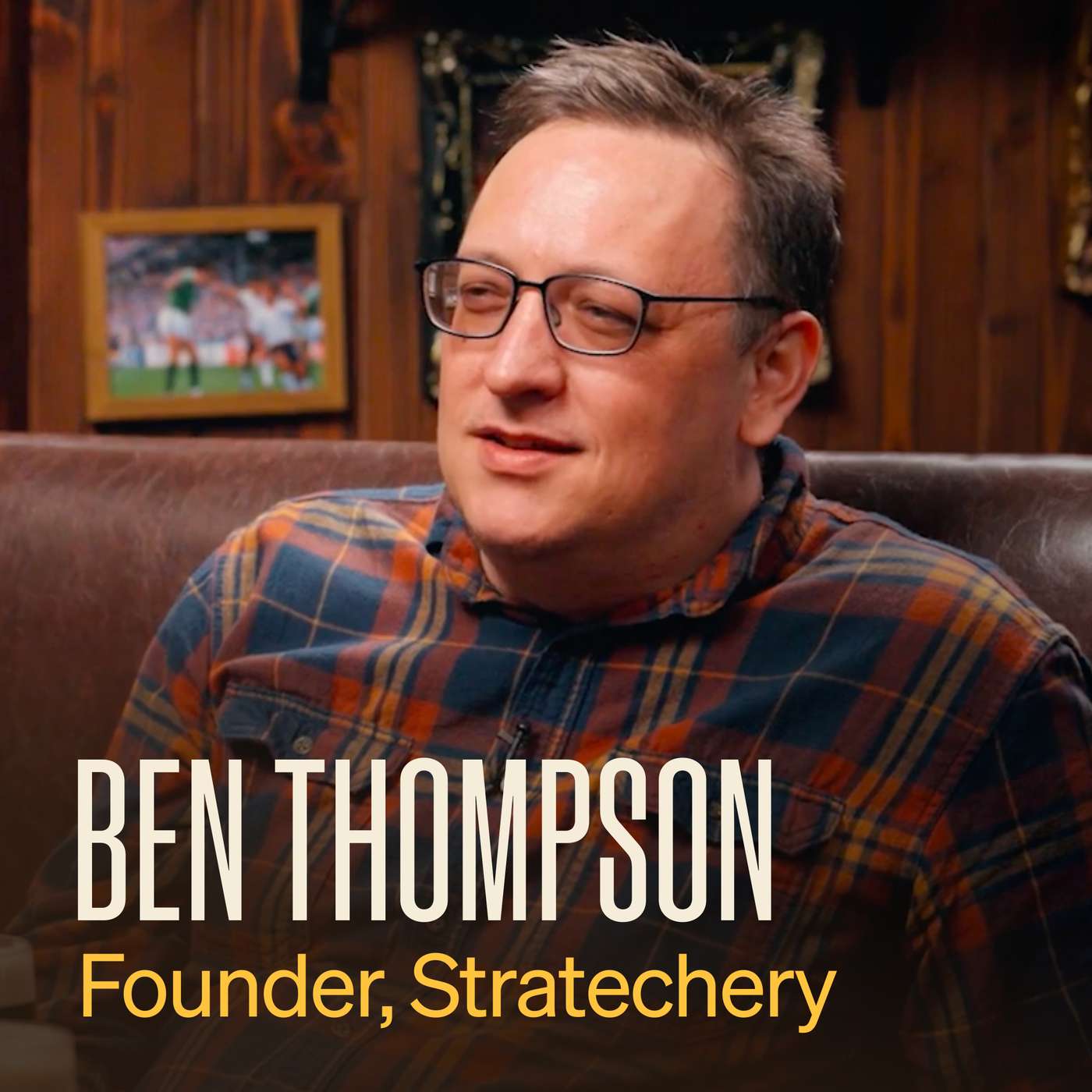
Ben Thompson's advice for aspiring content creators is to avoid direct competition with established figures. The internet allows for countless niche communities ("ponds"). The winning strategy is to define and dominate your own niche, becoming the biggest fish in your self-created pond.
The Japanese manga industry provides a winning model for creative businesses: develop products for highly specific demographics (e.g., young boys, older men) instead of a generic mass market. This focused approach creates more resonant and commercially successful IP.

To achieve massive reach, start with a hyper-specific target audience. By writing "The 4-Hour Workweek" for just two friends and marketing it to a narrow demographic in one city, Tim Ferriss created a concentrated ripple effect that naturally expanded to millions. A broad approach dilutes your message.

Trying to be a general expert is a losing battle. Instead, become the go-to person for a hyper-specific audience (e.g., marathon training for moms over 30 in Northern Ireland). This accelerates recognition and builds a loyal base, creating a strong foundation from which you can later expand.

To stand out, focus on a very specific audience and problem. The speaker started by helping moms with Snapchat safety, then expanded to Snapchat marketing, and finally to general Instagram coaching. This phased approach builds authority before you widen your scope.
