Get your free personalized podcast brief
We scan new podcasts and send you the top 5 insights daily.
Trying to be a general expert is a losing battle. Instead, become the go-to person for a hyper-specific audience (e.g., marathon training for moms over 30 in Northern Ireland). This accelerates recognition and builds a loyal base, creating a strong foundation from which you can later expand.
Related Insights
In an era of information saturation, general advice leads to inaction. By providing highly specific content for a narrow niche, you make your audience feel seen and understood. This drives them to act, allowing you to achieve greater impact with a smaller audience by focusing on depth over width.

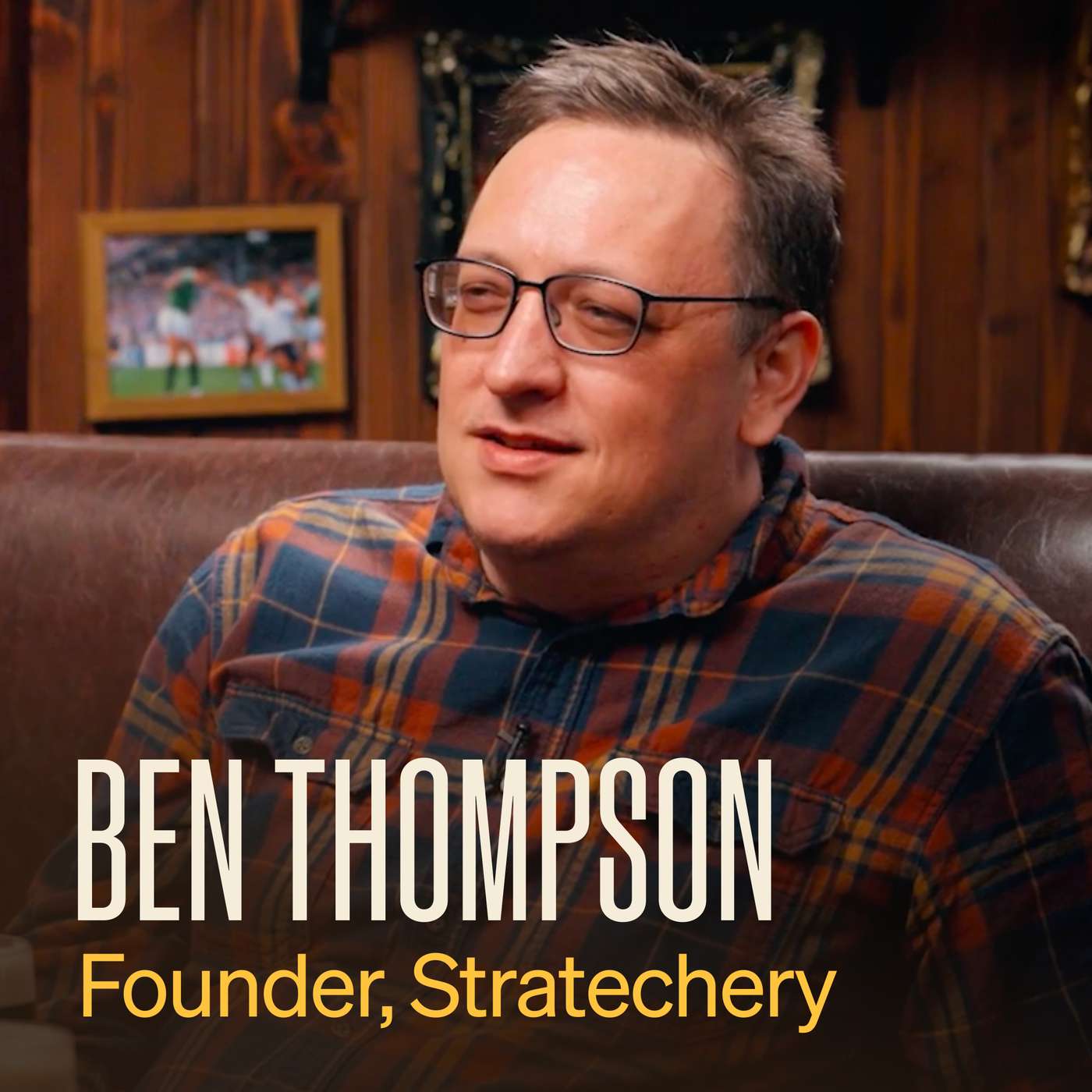
Ben Thompson's advice for aspiring content creators is to avoid direct competition with established figures. The internet allows for countless niche communities ("ponds"). The winning strategy is to define and dominate your own niche, becoming the biggest fish in your self-created pond.
To achieve massive reach, start with a hyper-specific target audience. By writing "The 4-Hour Workweek" for just two friends and marketing it to a narrow demographic in one city, Tim Ferriss created a concentrated ripple effect that naturally expanded to millions. A broad approach dilutes your message.

Niching down allows you to dominate a small pond with less competition, enabling higher prices and faster learning. Once you're the "biggest guy in a puddle," you use your acquired skills and resources to graduate to a pond, then a lake, and finally the ocean.

To become known, you need a clear and concise identity. Use this Mad Libs-style template to create your 'known for' statement. It forces you to define your target audience, the specific outcome you provide, and your unique process, making your value proposition instantly understandable.
Brands no longer seek influencers with broad appeal. They want to partner with creators who have a highly targeted, niche audience because it leads to better conversions. Position yourself as a specialist or community leader in a specific area to attract more valuable deals.
Being a generalist is a liability in the fractional world. To generate consistent referrals, you must define a narrow, memorable niche. Clients and network partners need to associate your name with a specific problem (e.g., "coaching new sales managers") to know exactly when and why to call you.

Trying to appeal to everyone from the start creates a weak brand with no impact, like a small bush. Instead, focus intensely on one core promise for one clear demographic. This builds a strong foundational 'trunk,' allowing you to branch out with stability and greater reach later on.

While modern algorithms allow for growth without a niche, a specific focus is non-negotiable for three key outcomes: building a recognizable brand, creating a viable business, and cultivating loyal 'superfans' who engage deeply and consistently. General growth does not equal a sustainable enterprise.
To stand out, focus on a very specific audience and problem. The speaker started by helping moms with Snapchat safety, then expanded to Snapchat marketing, and finally to general Instagram coaching. This phased approach builds authority before you widen your scope.
