Get your free personalized podcast brief
We scan new podcasts and send you the top 5 insights daily.
A travel media company was built by creating hyper-specific content about its home base, London. This niche didn't require expensive, constant travel, provided a massive and evergreen audience of tourists, and allowed for the development of deep expertise, making the business more scalable and profitable.

Related Insights
To launch "Love in Paris," the founder hired a Parisian expert as a contractor to be the face of the new channel. This allows the parent company to own the IP and replicate its proven content and monetization model city-by-city, without requiring the original founder's physical presence or expertise.
The path to a multi-million dollar local business involves three steps. First, maximize your current location's capacity and marketing channels. Once that's capped, the real scale comes from duplicating the successful model in new locations, turning a small opportunity into a large one.

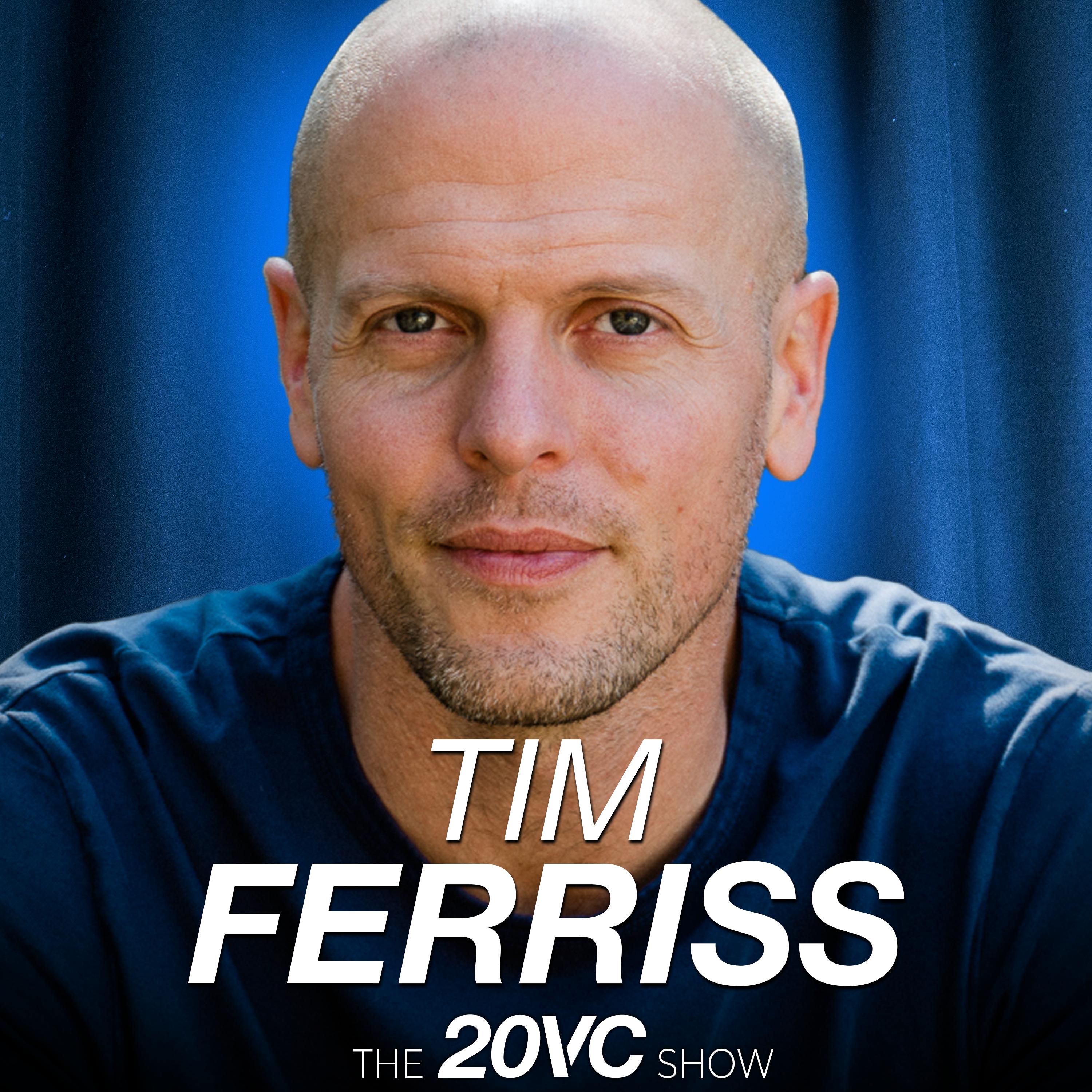
To achieve massive reach, start with a hyper-specific target audience. By writing "The 4-Hour Workweek" for just two friends and marketing it to a narrow demographic in one city, Tim Ferriss created a concentrated ripple effect that naturally expanded to millions. A broad approach dilutes your message.
Before becoming massive platforms, many successful companies started with a narrow focus. Instagram was for bourbon drinkers, Amazon for used books, and Facebook for Harvard students. This strategy built a loyal early user base and refined their product before expanding to a broader market.

While SF is the tech hub, London provides denser access to non-tech enterprise customers. For Motives, 80% of its UK market is a short train ride away, enabling a highly effective, in-person sales model that would be impossible in the geographically dispersed US.

Instead of offering broad video services, agencies can scale rapidly by specializing in a single, popular format. One founder built a reported $10M/year business exclusively producing 'man-on-the-street' interviews for clients, productizing a difficult-to-replicate format.

Initially, 6AM City hired two editors per market. Over time, they discovered a more efficient model: empowering a single, autonomous local editor and centralizing all other operations (marketing, sales support, design). This streamlined the process, reduced overhead, and allowed the local editor to focus purely on creating a high-quality, localized product.
Stuart Shuffman argues his model is highly replicable because local publishers can build deep trust that national brands can't. This trust makes it easier to sell ads directly to local businesses, who see their spending as both a marketing tool and a form of community patronage.
While modern algorithms allow for growth without a niche, a specific focus is non-negotiable for three key outcomes: building a recognizable brand, creating a viable business, and cultivating loyal 'superfans' who engage deeply and consistently. General growth does not equal a sustainable enterprise.
The best strategy is to capture a large share of a small, specific market and then expand into adjacent ones. Jeff Bezos deliberately started with books for a niche customer base, proving the model before scaling to become 'the everything store.'