Get your free personalized podcast brief
We scan new podcasts and send you the top 5 insights daily.
While many competitors focus on prompt-based "agentic editing," Tela's founder believes this is a temporary step. The ultimate goal is for AI to analyze a raw recording and automatically produce a high-quality final video without any user prompts or editing commands, leaving only the 'fun part of telling your story'.

Related Insights
Pressed for a specific capability forecast, Dario Amodei predicts that an AI system able to replicate the nuanced, on-the-job learning of a skilled video editor—understanding a creator's style, preferences, and audience—is only one to three years away. This capability is part of his "country of geniuses" timeline.

Don't view generative AI video as just a way to make traditional films more efficiently. Ben Horowitz sees it as a fundamentally new creative medium, much like movies were to theater. It enables entirely new forms of storytelling by making visuals that once required massive budgets accessible to anyone.

AI will empower creators by allowing them to translate ideas directly into finished products, bypassing traditional technical skill requirements like musical rhythm or film production. This shift will place a premium on raw creativity and vision over trained execution.

While today's focus is on text-based LLMs, the true, defensible AI battleground will be in complex modalities like video. Generating video requires multiple interacting models and unique architectures, creating far greater potential for differentiation and a wider competitive moat than text-based interfaces, which will become commoditized.
Most generative AI tools get users 80% of the way to their goal, but refining the final 20% is difficult without starting over. The key innovation of tools like AI video animator Waffer is allowing iterative, precise edits via text commands (e.g., "zoom in at 1.5 seconds"). This level of control is the next major step for creative AI tools.
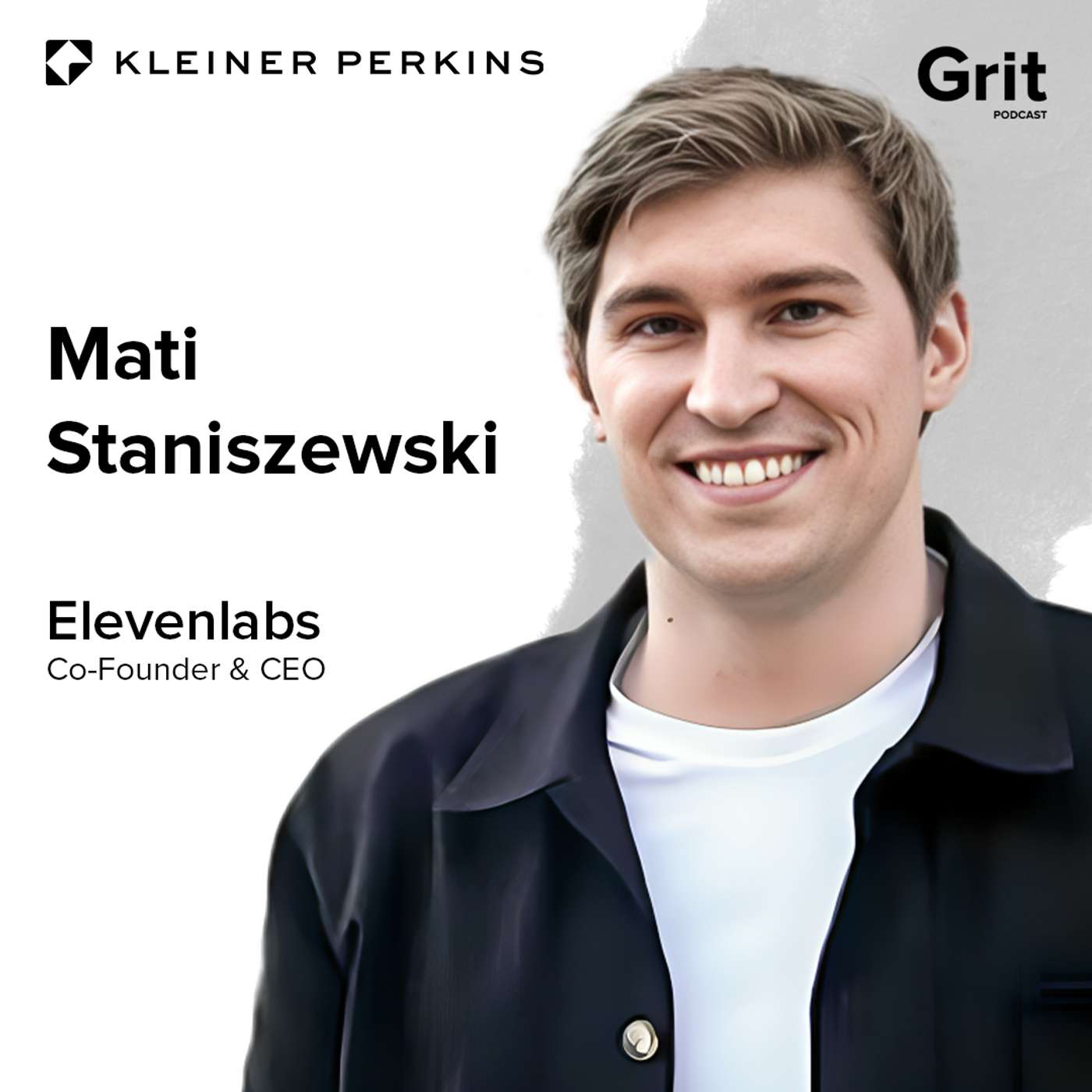
ElevenLabs' CEO predicts AI won't enable a single prompt-to-movie process soon. Instead, it will create a collaborative "middle-to-middle" workflow, where AI assists with specific stages like drafting scripts or generating voice options, which humans then refine in an iterative loop.
Cristobal Valenzuela, CEO of Runway, argues that the paradigm of non-linear video editing (NLE) will be replaced by AI. As content generation moves to real-time and becomes interactive, the traditional, asynchronous process of cutting and stacking clips will feel as outdated as a fax machine.

The OpenAI team believes generative video won't just create traditional feature films more easily. It will give rise to entirely new mediums and creator classes, much like the film camera created cinema, a medium distinct from the recorded stage plays it was first used for.

YouTube's new AI editing tool isn't just stitching clips; it intelligently analyzes content, like recipe steps, and arranges them in the correct logical sequence. This contextual understanding moves beyond simple montage creation and significantly reduces editing friction for busy marketers and creators.
AI video is evolving from passive generation to active engagement. Synthesia's new products focus on the intersection of video and AI agents, allowing users to, for example, watch a training video and then enter a role-playing simulation with an AI to test their comprehension.
