Get your free personalized podcast brief
We scan new podcasts and send you the top 5 insights daily.
Concerns about "key-man risk" with Bill Ackman are lessened by the rise of CIO Ryan Israel. His leadership was showcased when he single-handedly ran a two-hour annual meeting, demonstrating deep portfolio knowledge and succession readiness.

Related Insights
When new leadership arrives, a long-serving executive's value lies in their deep institutional knowledge and cross-functional relationships. They can act as a crucial bridge, helping synthesize diverse perspectives to guide the new team's vision and ensure a smoother transition.

To address concerns about founder Prem Watsa (age 75), Fairfax is executing a gradual and public transition. Peter Clark is the clear heir apparent for CEO, a successor in fixed income is being identified, and Watsa's son Ben is chairing Fairfax India, demonstrating a clear path forward.

Effective leadership transitions must be planned years in advance. The successor should gradually assume managerial duties, making the final handover a natural, expected event for employees and LPs. Rushed plans fail, especially if the departing leader isn't truly ready to retire.

In the 1950s, founder Jonathan Bell Lovelace's near-death experience became a catalyst for innovation. Realizing the firm's immense key-person risk, he designed the "Capital System" where multiple managers contribute to portfolios, ensuring client continuity and firm resilience.

Beyond formal succession planning, investment firm founders should cultivate a trusted, informal network of peers and colleagues. This group should be given explicit permission to be candid about any signs of gradual cognitive decline, providing a crucial, human-centric safeguard for clients when self-assessment might fail.
Unlike startups, institutions like CPPIB that must endure for 75+ years need to be the "exact opposite of a founder culture." The focus is on institutionalizing processes so the organization operates independently of any single individual, ensuring stability and succession over many generations of leadership.
Farallon has managed rare CIO transitions by fostering a culture where leaders view themselves as temporary stewards for LPs, not permanent owners. This "LP-first" philosophy prioritizes long-term returns over individual tenure, making succession a natural part of preserving the firm’s mission.
Instead of abrupt changes, Sequoia employs a gradual, multi-year transition process for its leadership stewards. Past leaders like Michael Moritz and Doug Leone remained involved for years after handing over the reins, ensuring stability and continuity for the firm and its LPs.
With 150 years of mostly internal CEO succession, Eli Lilly develops leaders who deeply understand the company's culture—its 'unspoken operating system.' This allows them to solve problems effectively without relying on formal committees.
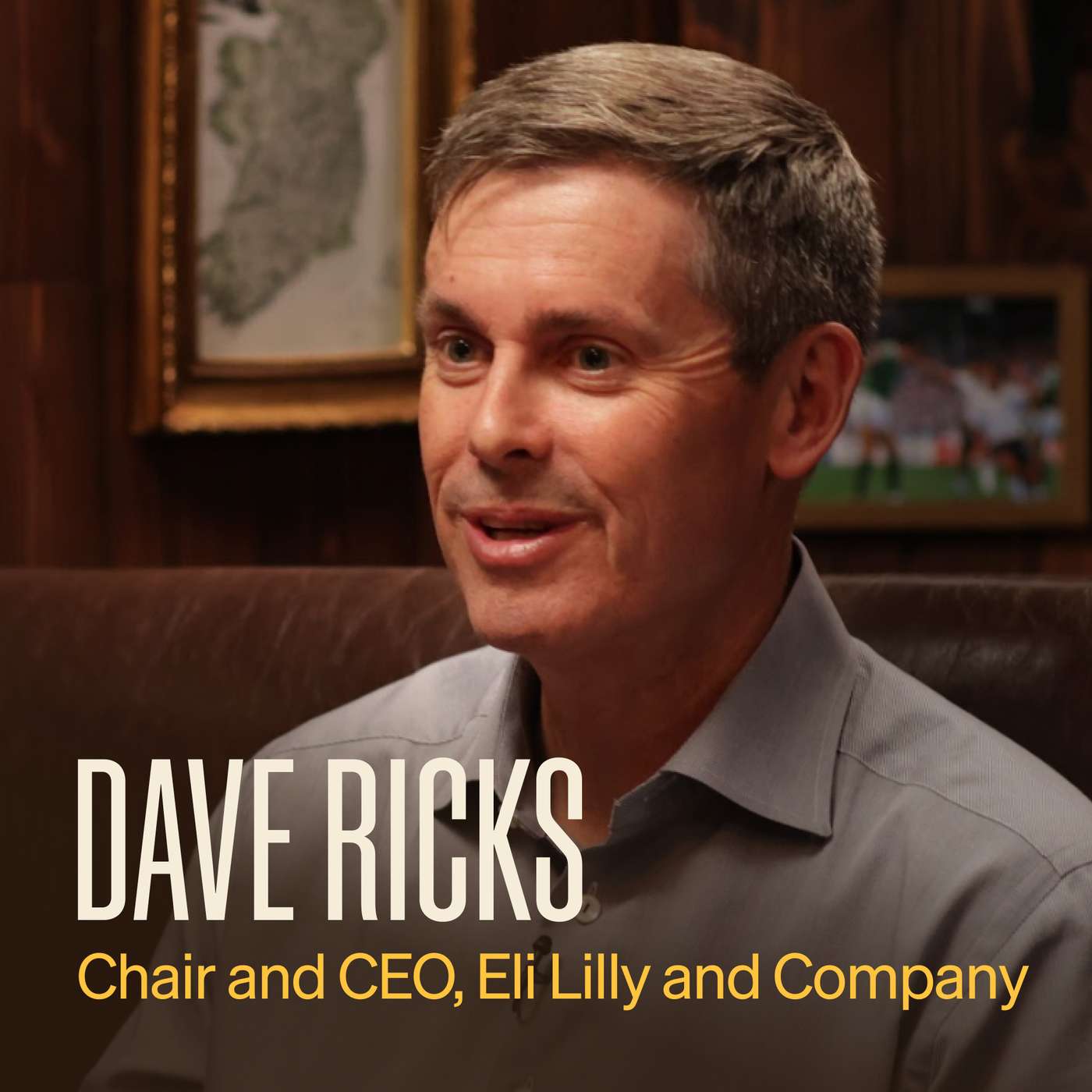
A CEO who isn't the founder can be more objective and critical of the business. Founders are often too emotionally invested to see flaws, as the company is an extension of themselves. This emotional distance allows for better, more rational decision-making.