Get your free personalized podcast brief
We scan new podcasts and send you the top 5 insights daily.
Beyond formal succession planning, investment firm founders should cultivate a trusted, informal network of peers and colleagues. This group should be given explicit permission to be candid about any signs of gradual cognitive decline, providing a crucial, human-centric safeguard for clients when self-assessment might fail.
Related Insights
Ron Conway demonstrates that the ultimate value of an investor's network isn't just business intros, but the ability to solve a founder's most pressing personal problems. He cites an example of connecting a founder to the head of neurology at UCSF when their mother was diagnosed with cancer, providing immense personal support.

A career development exercise from Pfizer, "Me, Inc.," advises leaders to formally map out their own personal "board of directors." This involves identifying specific individuals who can provide perspective and advice on business challenges and career navigation, creating a structured support system.

For a private equity firm to transition successfully, founders must generously share ownership with the next generation well before it seems necessary. Ego and a failure to share equity are common pitfalls that prevent a firm from evolving from an investment shop into an enduring franchise.

Founders often struggle to let go of key client relationships. Instead of an abrupt handoff, implement a gradual transition. Have the new account manager shadow calls, then slowly take on more responsibility over several months. This builds trust with both the client and the founder, making delegation successful.

Effective leadership transitions must be planned years in advance. The successor should gradually assume managerial duties, making the final handover a natural, expected event for employees and LPs. Rushed plans fail, especially if the departing leader isn't truly ready to retire.

When planning for the business's future without you, prioritize the stability and job security of your team. Confident and secure employees are the best guarantee that your clients will be taken care of, creating a more resilient and sustainable legacy.
A manager is not a mentor. Instead of depending on a single, formal mentor within their reporting structure, aspiring leaders should cultivate a personal 'board' of two or three trusted advisors. This external network provides diverse, on-demand input for specific business situations that fall outside a leader's direct experience or comfort zone.

Focus energy solely on building deep, trust-based relationships with exceptional individuals. Munger believed most people are "rat poison" and should be avoided, as high-quality networks prevent most problems before they happen.

Successor CEOs cannot replicate the founder's all-encompassing "working memory" of the company and its products. Recognizing this is key. The role must shift from knowing everything to building a cohesive team and focusing on the few strategic decisions only the CEO can make.
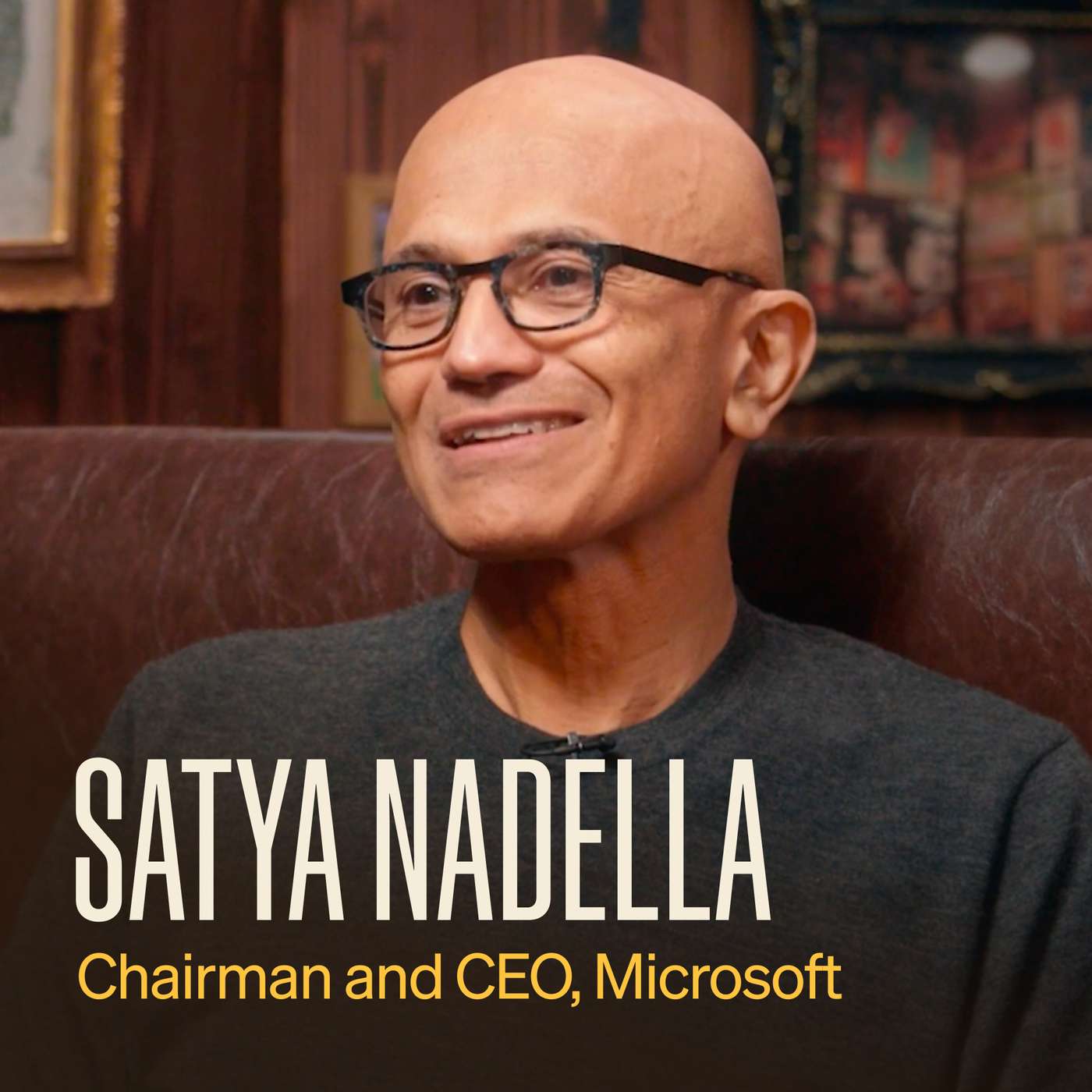
Contrary to the belief that senior leaders have all the answers, career progression often leads to uncharted territory with no playbook. The more senior you become, the more you need a personal board to navigate novel challenges like joining a corporate board or handling unprecedented situations.
![Why you need a personal board of directors [Uncensored Renegades] thumbnail](https://img.transistorcdn.com/VIH3Rn5ET8-eHQxgBGNydnhXL95pc10_Kq7qTpjezuc/rs:fill:0:0:1/w:1400/h:1400/q:60/mb:500000/aHR0cHM6Ly9pbWct/dXBsb2FkLXByb2R1/Y3Rpb24udHJhbnNp/c3Rvci5mbS9zaG93/LzQ3MzEvMTU3MDAz/MjQ3NC1hcnR3b3Jr/LmpwZw.jpg)