Get your free personalized podcast brief
We scan new podcasts and send you the top 5 insights daily.
The D2C growth model is plateauing, forcing brands into retail. This demands a strategic packaging shift. Information once on a Product Detail Page (PDP), like macro counts and ingredients, must move from the 'back of pack' to the front to make products 'shoppable' on a physical shelf.

Related Insights
To bridge the gap between wholesale distribution and D2C growth, insert storytelling cards or QR codes for product registration into your packaging. This allows you to capture customer data and build a direct relationship, effectively using the retailer’s reach as a top-of-funnel for your own channel.

In crowded retail, packaging is the primary salesperson. Brands like RXBAR won by clearly stating value props (macros, simple ingredients) on the front. A new brand must do the same, highlighting key benefits like "slow burning energy" or "clean carbs" to capture attention instantly.
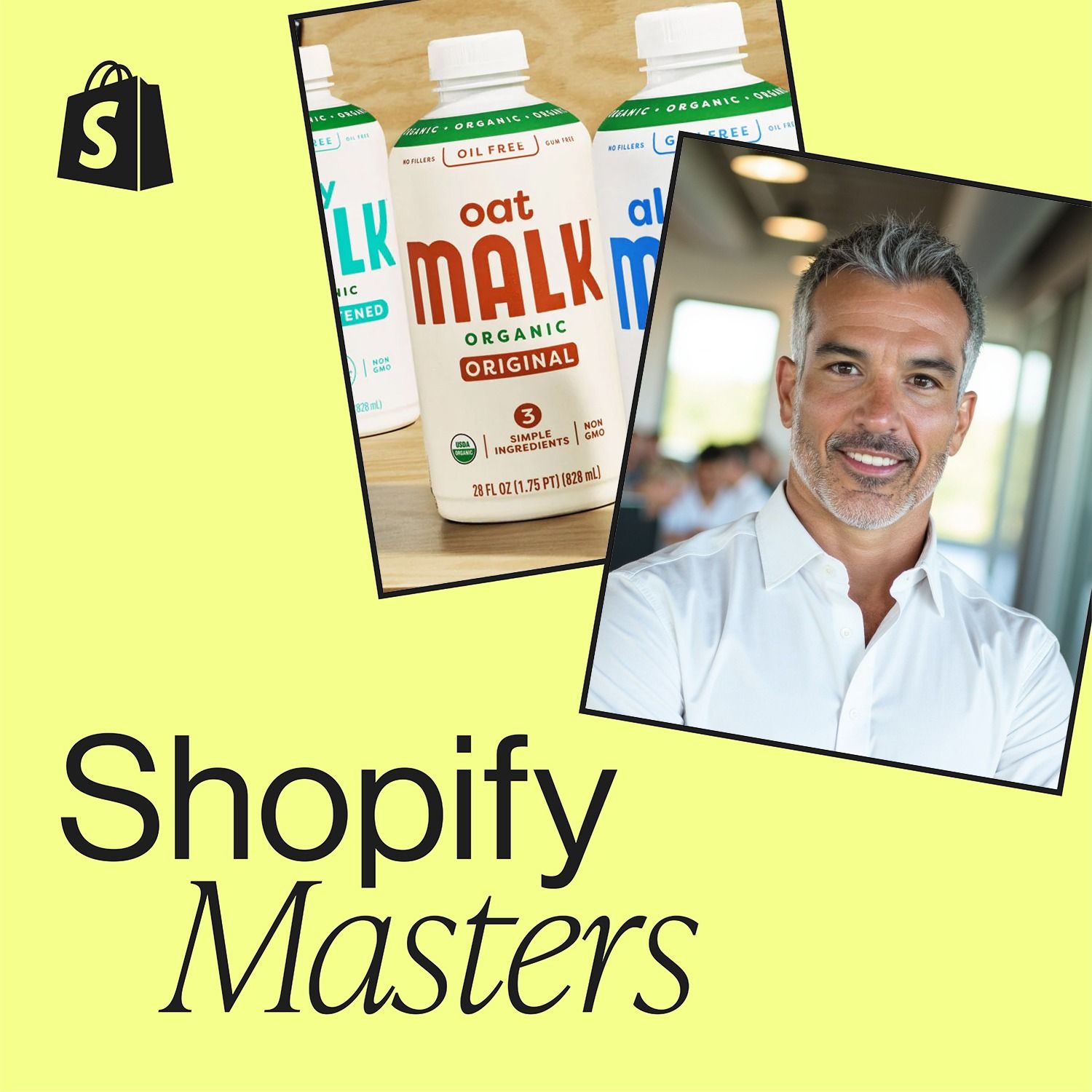
Malk, a retail-focused brand, built a Shopify site not for direct sales but to control messaging, connect with consumers, and gather data. Their site uses technology allowing users to add products to a local retailer's online cart. This creates a valuable, albeit incomplete, data point on purchase intent for a channel that traditionally offers none.
Consumers are trained by food packaging to look for simple, bold 'macros' (e.g., '7g Protein,' 'Gluten-Free'). Applying this concept to non-food items by clearly stating key attributes ('Chemical-Free,' 'Plant-Based') on the packaging can rapidly educate consumers at the point of purchase and differentiate the product.
For brands with a retail presence, the product packaging itself is a powerful and underutilized billboard. By adding a QR code with an incentive, you can convert in-store purchasers into owned D2C customers, bridging the physical and digital channels.
With a two-inch-high bottle, The Turmeric Co. found it 'absolutely impossible' to communicate its unique value proposition on the label in a retail setting. This forces small-format brands to rely heavily on pre-built brand recall and in-store marketing like aisle fins to drive trial.
For CPG brands, a physical retail presence, even with lower margins, should be viewed as a customer acquisition strategy. It provides crucial visibility and trial, driving customers to your higher-margin direct-to-consumer website for subsequent purchases and retention.
Coterie treats its physical retail presence not just as a sales channel, but as a marketing tool. A well-placed product block acts like a billboard, driving discovery and funneling 10-12% of new customers back to their primary D2C subscription business.
In an age of information overload, the most effective marketing is extreme simplicity. A brand's ability to instantly communicate its core value on a crowded retail shelf is the key differentiator for winning consumer attention. Achieving this simplicity is a complex strategic task.

After years of global e-commerce success, Gymshark's strategy for sustainable growth is omnichannel expansion. The core goal is increasing "physical availability" through stores and partnerships, making the brand more accessible and allowing new customers to experience the product firsthand before buying.
