Get your free personalized podcast brief
We scan new podcasts and send you the top 5 insights daily.
To bridge the gap between wholesale distribution and D2C growth, insert storytelling cards or QR codes for product registration into your packaging. This allows you to capture customer data and build a direct relationship, effectively using the retailer’s reach as a top-of-funnel for your own channel.

Related Insights
The long-term strategy for brands you carry is to go direct-to-consumer, cutting you out. The only sustainable defense for a retailer is to build its own brand equity by creating and marketing its own private-label products, transitioning from a utility to a destination brand.

The brand strategically selects diverse retail partners like Nordstrom and Equinox to reach different customer demographics. This approach uses wholesale for brand awareness and market penetration rather than viewing it purely as a revenue stream.
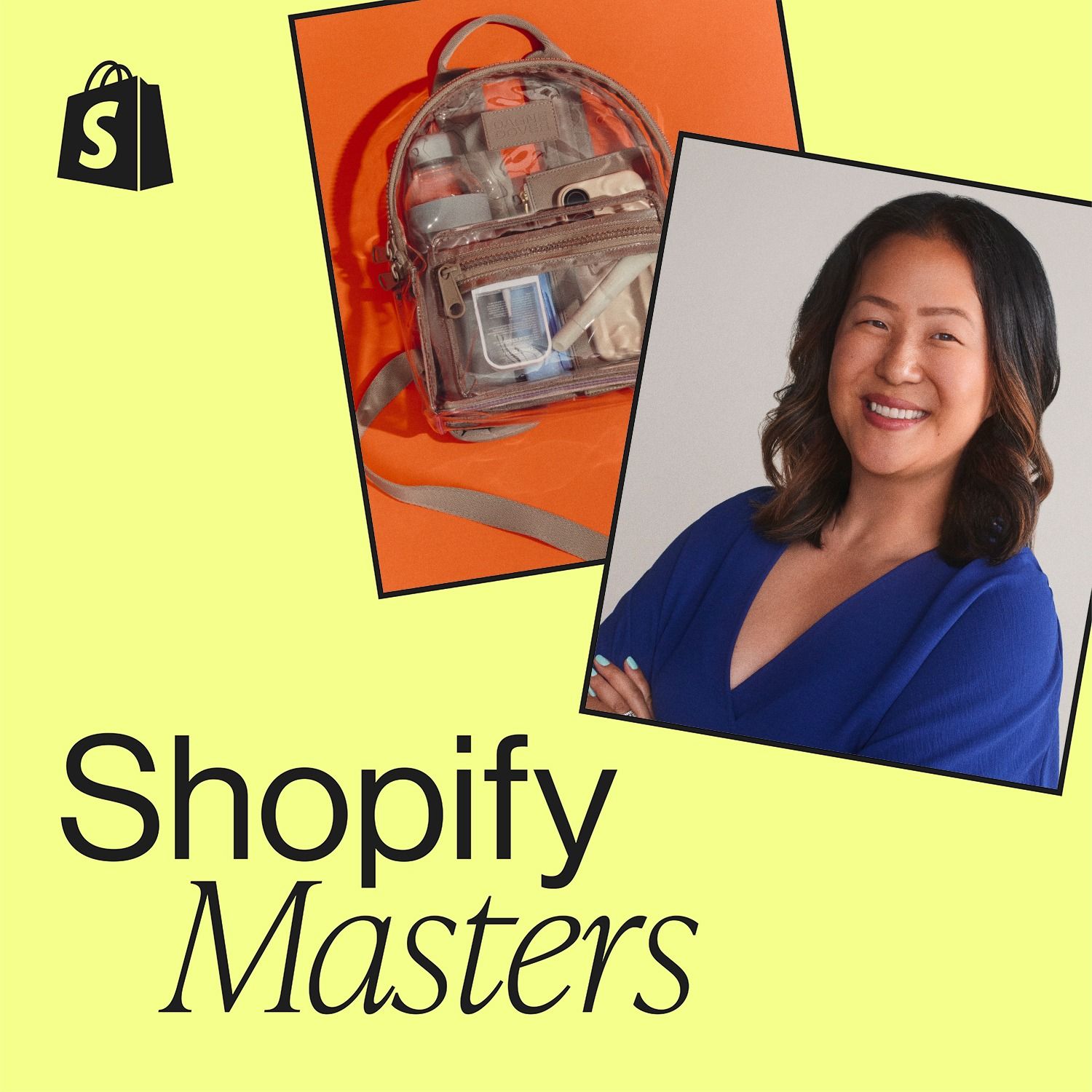
Packaging can be more than a container; it can be a feature that adds value and novelty. For a CPG brand, this could mean including unique messages, poems, or even personalized fortunes on wrappers, creating a small moment of delight that enhances the customer experience and brand story.
For emerging brands, the path to retail shelf space is indirect. Instead of pitching buyers, focus on building a powerful direct-to-consumer (DTC) business and capturing the attention of younger demographics online. Retailers, desperate to attract these consumers, will then come to you.
Malk, a retail-focused brand, built a Shopify site not for direct sales but to control messaging, connect with consumers, and gather data. Their site uses technology allowing users to add products to a local retailer's online cart. This creates a valuable, albeit incomplete, data point on purchase intent for a channel that traditionally offers none.
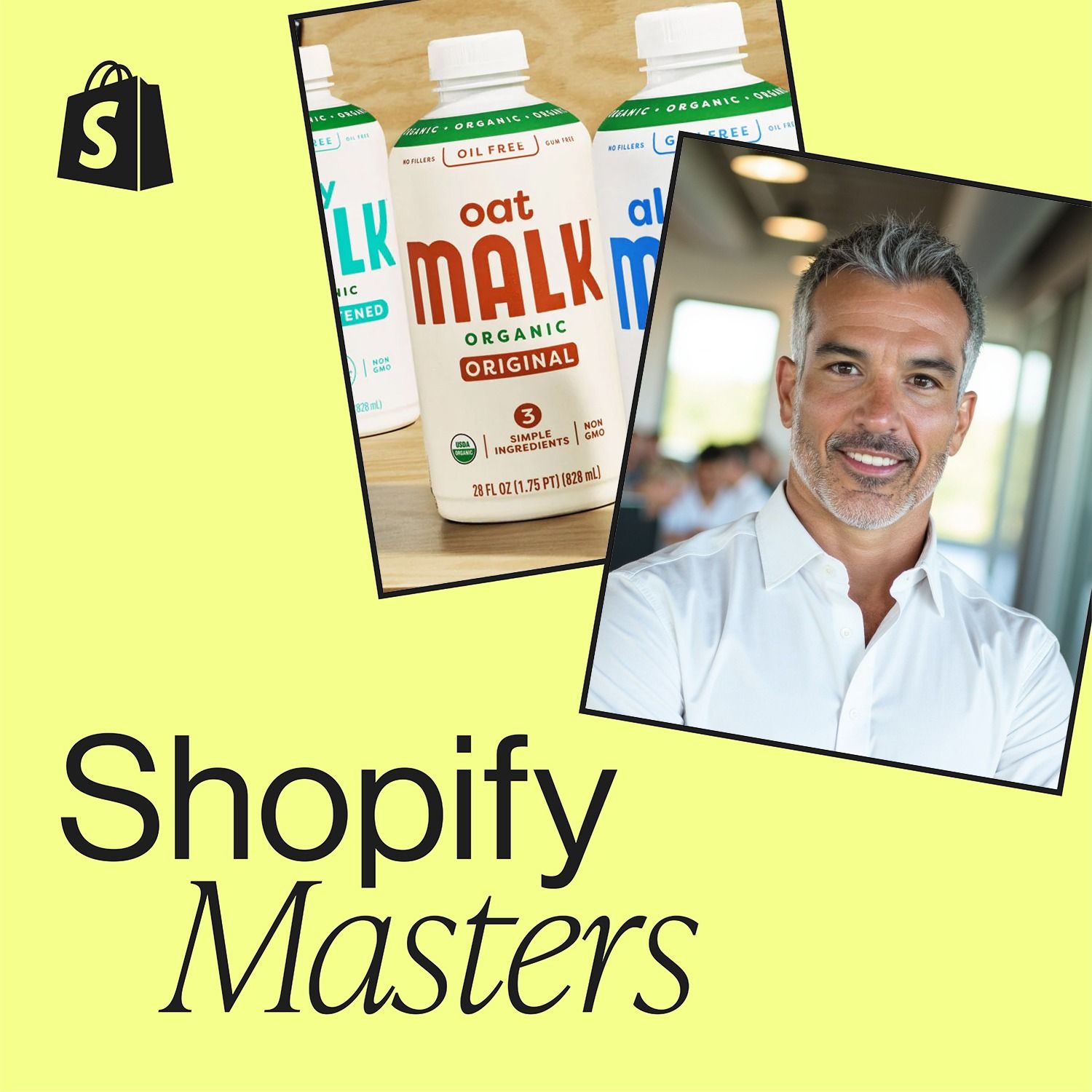
For brands with a retail presence, the product packaging itself is a powerful and underutilized billboard. By adding a QR code with an incentive, you can convert in-store purchasers into owned D2C customers, bridging the physical and digital channels.
For CPG brands, a physical retail presence, even with lower margins, should be viewed as a customer acquisition strategy. It provides crucial visibility and trial, driving customers to your higher-margin direct-to-consumer website for subsequent purchases and retention.
Coterie treats its physical retail presence not just as a sales channel, but as a marketing tool. A well-placed product block acts like a billboard, driving discovery and funneling 10-12% of new customers back to their primary D2C subscription business.
With 80% of revenue coming from more profitable D2C sales, Heaven Mayhem views its retail partnerships as a marketing expense. The primary goals are brand alignment, credibility, and reaching new audiences through partners like Selfridges, rather than maximizing wholesale revenue.

Traditionally, CPG brands only have relationships with retailers. By placing a QR code on a product, a customer can scan it to start a WhatsApp conversation with an AI. This creates a direct, persistent channel for support, personalized recommendations, and future marketing, bypassing the retailer.
