Get your free personalized podcast brief
We scan new podcasts and send you the top 5 insights daily.
Over 60% of files created in Figma's AI-powered tool, Figma Make, are by non-designers. This demonstrates the original Figma thesis that expanding the user base beyond professional designers is a massive opportunity, proving that intuitive, visual-first tools can successfully democratize creation and web development.

Related Insights
Figma's expansion into multiple products (FigJam, Slides) wasn't based on abstract strategy but on observing users pushing the main design tool to its limits for unintended use cases. Identifying these 'hacks' revealed validated market needs for dedicated products.
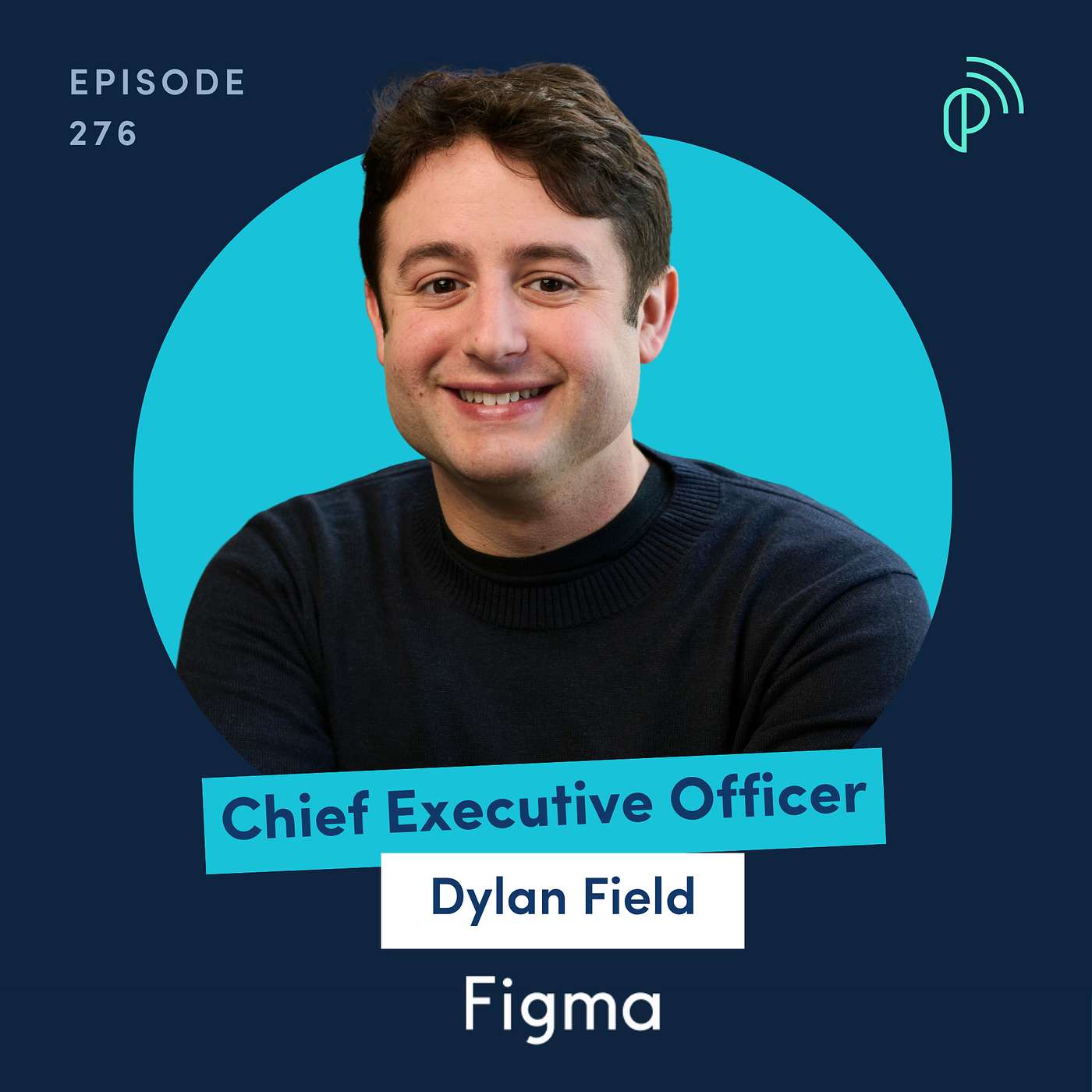
A key data point validating Figma's long-term strategy is that 60% of files created in its AI web builder, Figma Make, are by non-designers. This demonstrates that AI is accelerating the trend of democratizing design and expanding the total addressable market far beyond traditional product designers.

AI's primary impact on design isn't just making it accessible. For experts, it's a tool to rapidly explore a vast space of creative possibilities. This allows them to sample far more options and apply their taste and intentionality to a much broader canvas than was previously possible.

The explosion in Netlify's user growth is a direct result of AI lowering the barrier to software creation. The new user base consists of marketers, designers, and product managers, indicating a massive expansion of the total addressable market for developer tools from millions to billions.

Hera's target is not just existing After Effects users, but the larger market of people who need motion graphics but find professional tools too complex or expensive. By lowering the barrier to entry, AI tools create entirely new markets of creators, much like Airbnb did for home rentals.

Initial data suggested the market for design tools was too small to build a large business. Figma's founders bet on the trend that design was becoming a key business differentiator, which would force the market to expand. They focused on building for the trend, not the existing TAM.

Figma's data shows nearly two-thirds of its users identify with two or more roles (e.g., design, product, engineering). This suggests a shift away from rigid professional lanes. People increasingly see themselves as generalist "product builders," requiring tools that facilitate cross-functional collaboration rather than catering to a single title.
Many aspiring creators quit because their creative taste exceeds their technical skill, causing frustration. Figma's CEO suggests AI's most exciting potential is bridging this gap. It allows creators to rapidly generate and sample the possibility space, helping them achieve their vision almost instantly and overcome the initial skill barrier that stifles creativity.
Figma's CEO believes AI will create the "10X designer." As AI automates basic design tasks, making "good enough" the new baseline, the premium on true craft and system-level thinking will skyrocket. Designers who can leverage AI to execute a holistic product vision will become indispensable leaders and key drivers of a company's success.

The excitement around tools like OpenClaw stems from their ability to empower non-programmers to create custom software and workflows. This replicates the feeling of creative power previously exclusive to developers, unlocking a long tail of niche, personalized applications for small businesses and individuals who could never build them before.