Get your free personalized podcast brief
We scan new podcasts and send you the top 5 insights daily.
After experiencing the operational chaos, inventory issues, and painful downturn that followed explosive growth, Glamnetic's founder concluded it was a mistake. He now advocates for a more controlled path (e.g., 1 to 5 to 12 million) to build infrastructure and predictability.

Related Insights
Many businesses reach a million in revenue through sheer effort but then stall. The shift to scaling requires achieving product-market fit, which creates leverage and pulls in customers, leading to exponential profitability instead of diminishing returns from just pushing harder.

The founder describes growth not as a smooth upward curve, but as a series of chaotic 'bursts.' Each spurt breaks existing systems and requires intense effort to adapt processes and thinking to meet the new demand. The feeling of success only arrives after the chaos has been managed and new systems are in place.

A critical distinction: "Growth" is simply increasing revenue, which can be chaotic. True "scaling" means your systems, processes, and team capacity grow in lockstep with revenue, ensuring sustainability and preventing the business from breaking under pressure.

Processes that work at $30M are inadequate at $45M. Leaders in hyper-growth environments (30-50% YoY) must accept that their playbooks have a short shelf-life and require constant redesign. This necessitates hiring leaders who can build for the next level, not just manage the current one.

Anticipating continued exponential growth, Glamnetic over-invested in inventory. When growth flattened and then declined, the company was left with a severe cash crunch, forcing extreme cash flow management and more conservative ordering for their new product line.
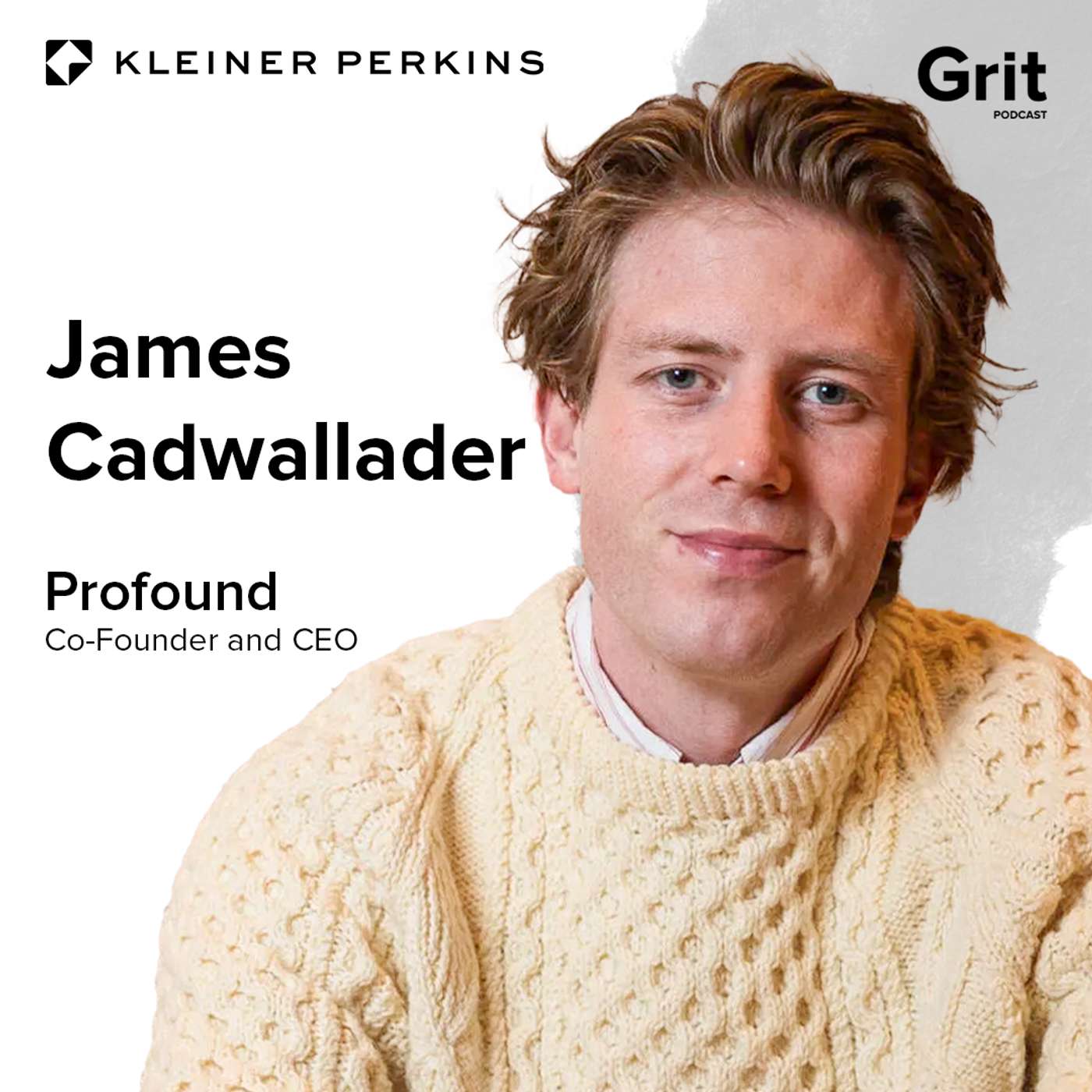
A scaling founder can avoid "breaking the model" during hypergrowth by hiring senior leaders with proven track records in similar environments. For example, Profound hired a CRO who previously scaled a company with the same target customer to $250M, bringing invaluable experience to manage chaos.
Instead of chasing massive, immediate growth, Chomps' founders focused on a sustainable, self-funded model. This gradual scaling allowed them to control their destiny, prove their model, and avoid the pressures of early-stage investors, which had burned one founder before.

Founder Sam Darawish argues that a healthy, moderate growth rate (25-30%) is often better than chasing venture-backed hyper-growth. He believes rapid growth can lead to taking on non-ICP customers, which pulls the product in multiple directions, wastes resources, and ultimately thins the team's focus.

The industry glorifies aggressive revenue growth, but scaling an unprofitable model is a trap. If a business isn't profitable at $1 million, it will only amplify its losses at $5 million. Sustainable growth requires a strong financial foundation and a focus on the bottom line, not just the top.

The founder advises against always pursuing the highest valuation, noting it can lead to immense pressure and difficulties in subsequent rounds if the market normalizes. Prioritizing investor chemistry and a fair, responsible valuation is a more sustainable long-term strategy.