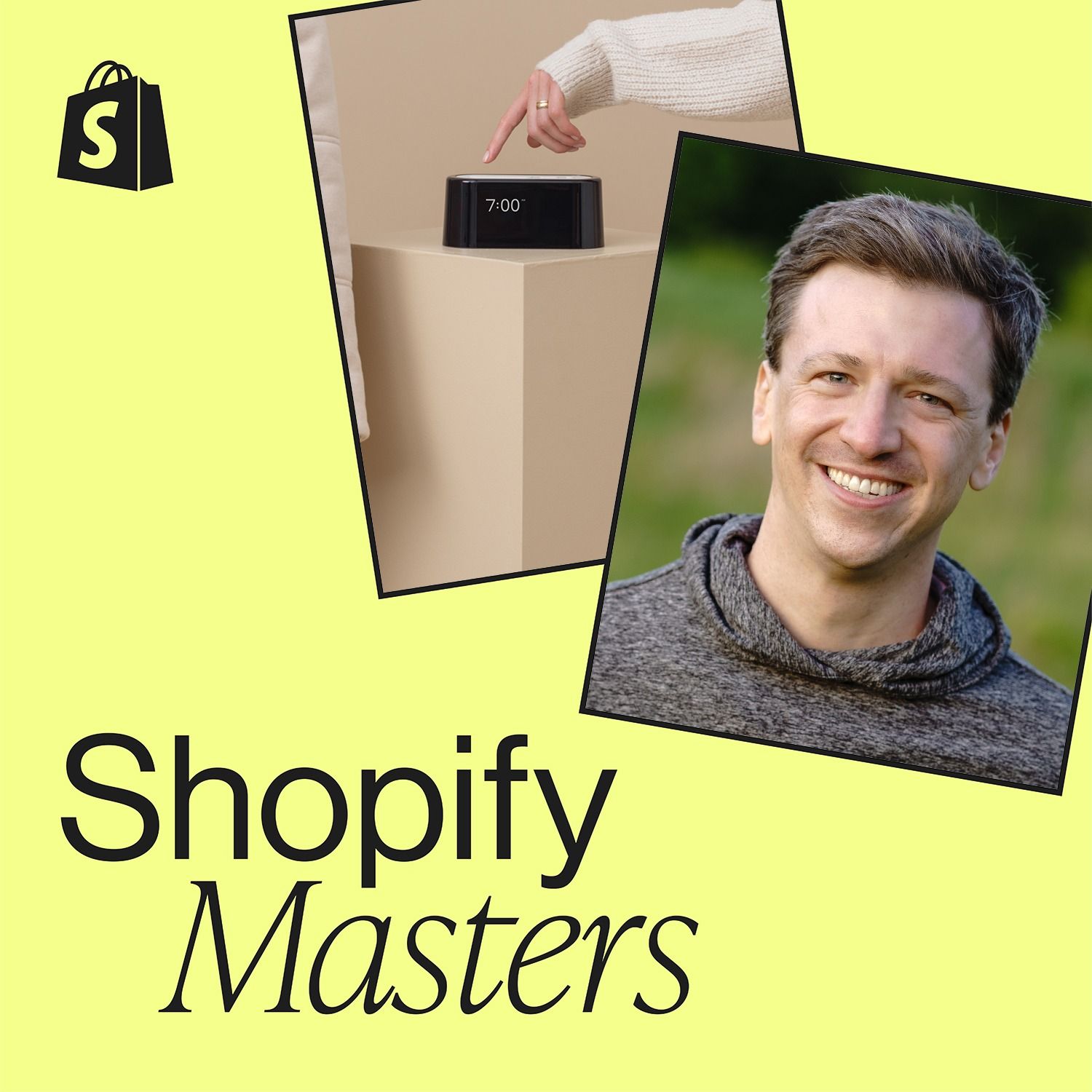
Loftie founder Matthew Hassett advises against crowdfunding for future launches. He found that early backers, due to their long-term involvement and feeling of investment, develop an outsized sense of ownership and can be very difficult to please, creating a challenging customer relationship.
VCs repeatedly rejected Loftie for lacking recurring revenue. The founder resisted pressure to adopt a model with low-cost hardware tied to a mandatory subscription, believing it would outrage customers. This highlights the difficult tradeoff between a VC-appealing business model and a customer-centric one.
After cycling through many agencies, Loftie found stability with one that operates like a CFO. Instead of focusing on revenue, this agency ruthlessly prioritizes contribution margin—the profit left after paying for the product and customer acquisition. This financial discipline created a sustainable business.
Due to the unpredictable nature of the US market, Loftie made a strategic pivot: focusing its physical product sales internationally, where Europe became its largest market. Meanwhile, it refocused its US strategy on digital products like its app, creating a more stable, diversified business model.
Despite selling over 200,000 alarm clocks, the founder realized that success with a single, one-time-purchase product is insufficient for long-term sustainability. This led to a strategic shift towards building a digital app with recurring revenue, a crucial lesson for any DTC brand focused on a hero product.
Following IDEO's design research process, the Loftie team visited customers' bedrooms. They observed people covering bright LEDs on devices with t-shirts, revealing a need to eliminate all light. This direct observation led to the creation of the clock's popular 'blackout mode' feature.
A key early mistake for Loftie was underpricing its clock. While seemingly customer-friendly, the low price point constantly strained the company's ability to finance production runs. The founder learned that pricing must be high enough to sustain the business and deliver the desired experience.