Get your free personalized podcast brief
We scan new podcasts and send you the top 5 insights daily.
OpenClaw is unlikely to achieve mainstream adoption, but its underlying architecture for autonomous, long-running tasks is a fundamental unlock. This "OpenClaw-style" capability will be integrated into focused consumer and business products, enabling a new wave of agentic software, rather than succeeding as a standalone horizontal tool.

Related Insights
The rapid adoption of features like remote control and scheduled tasks by Anthropic, Perplexity, and Notion is not about copying the open-source OpenClaw project. Instead, it marks the industry's recognition of a new set of fundamental "primitives" for agentic AI: persistent, remotely accessible, and autonomous operation. These are becoming the new standard for AI interaction.

Agentic frameworks like OpenClaw are pioneering a new software paradigm where 'skills' act as lightweight replacements for entire applications. These skills are essentially instruction manuals or recipes in simple markdown files, combining natural language prompts with calls to deterministic code ('tools'), condensing complex functionality into a tiny, efficient format.
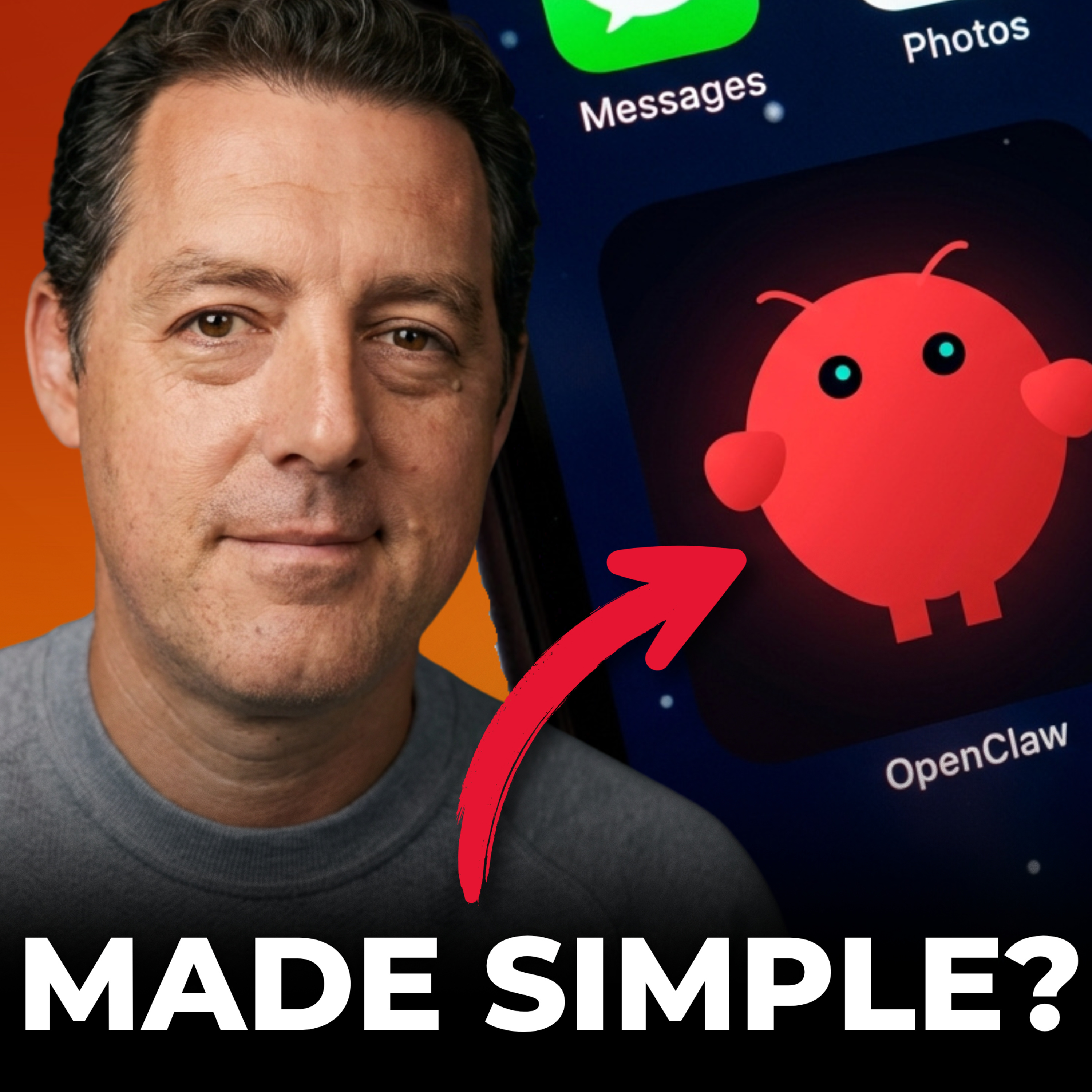
Tools like ChatGPT are AI models you converse with, requiring constant input for each step. Autonomous agents like OpenClaw represent a fundamental shift where users delegate outcomes, not just tasks. The AI works autonomously to manage calendars, send emails, or check-in for flights without step-by-step human guidance.

The 'agents vs. applications' debate is a false dichotomy. Future applications will be sophisticated, orchestrated systems that embed agentic capabilities. They will feature multiple LLMs, deterministic logic, and robust permission models, representing an evolution of software, not a replacement of it.

OpenClaw's viral developer adoption demonstrates a massive demand for truly autonomous AI agents, even if it means breaking safety guardrails. This grassroots movement has forced major AI labs to embrace the trend, as the desire for capability outweighs initial safety concerns.
The real, market-shattering disruption is not companies adding AI features, but the advent of autonomous agents. Jerry Murdock emphasizes that this is a fundamental shift, creating an entirely new class of product and user, which is far more significant than bolting AI onto existing software.

The current wave of AI, particularly agentic technology, is not just another incremental improvement. It's a confluence of major technological shifts, enabling automation at a rate of 5-10% per week, leading to exponential increases in productivity that dwarf prior innovations like cloud or mobile.
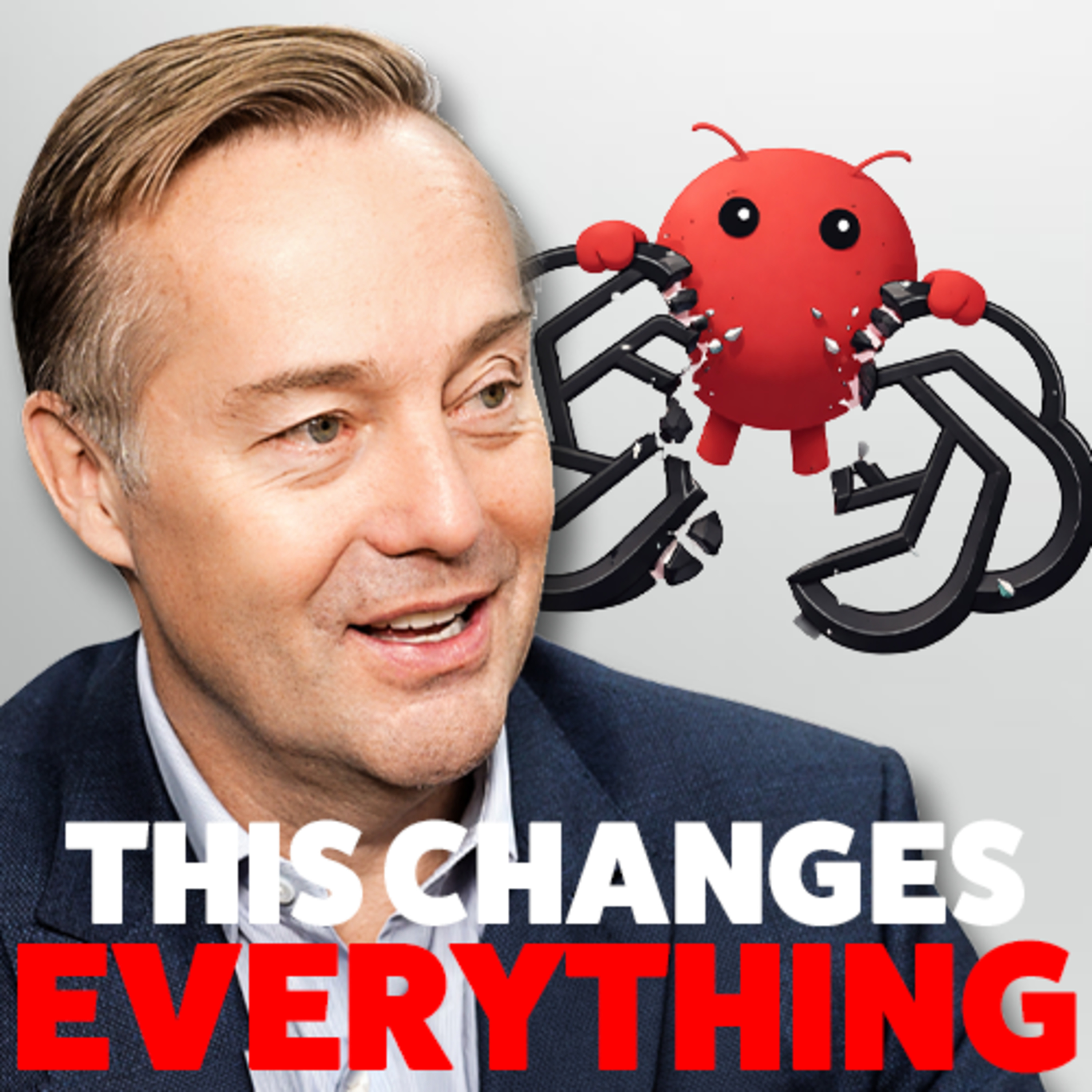
The rise of autonomous agents like OpenClaw dictates that the future of software is API-first. This architecture is necessary for agents to perform tasks programmatically. Crucially, it must also support human interaction for verification, collaboration, and oversight, creating a hybrid workflow between people and AI agents.

The future of software isn't just AI-powered features. It's a fundamental shift from tools that assist humans to autonomous agents that perform tasks. Human roles will evolve from *doing* the work to *orchestrating* thousands of these agents.

The founder of an "OpenClaw in a box" service argues the agent's power lies in its tools. The most competitive platforms will pre-equip agents with wallets, email, stealth browsers, and API access, turning them into highly capable, autonomous digital entities.
