Get your free personalized podcast brief
We scan new podcasts and send you the top 5 insights daily.
Pre-orders are not just for chasing bestseller lists; they are a critical signal to brick-and-mortar retailers like Barnes & Noble. For first-time authors, a lack of pre-order demand directly results in a decision not to stock the book, denying it physical shelf space.

Related Insights
Instead of viewing pre-orders as a customer inconvenience, a founder was advised to reframe them as a community-building tool. By being transparent and offering a small discount, a brand can create loyal early supporters who feel invested in the company's journey.

Comfort offers customers a discount to 'pre-order' items, even if they are in stock, in exchange for waiting longer for delivery. This generates immediate, upfront cash flow that the bootstrapped company uses to fund large inventory purchase orders without external capital.

Legacy publishers focus marketing on a short 2-3 week launch window. This model is flawed, as external events can kill momentum. A better approach is continuous, automated marketing that treats books as long-term assets, ensuring they find their audience over time regardless of launch timing.
Emerging brands often view landing a major retailer as the ultimate goal. In reality, it's the start of a more complex phase involving distribution logistics, trade requirements, and performance pressure. Success depends on staying on the shelf, not just getting there.
Publishers and agents now prioritize an author's social media following over most other factors. The size of an author's advance and their book's sales potential are seen as directly correlated to their online footprint. Aspiring authors must build a following before they even start writing.

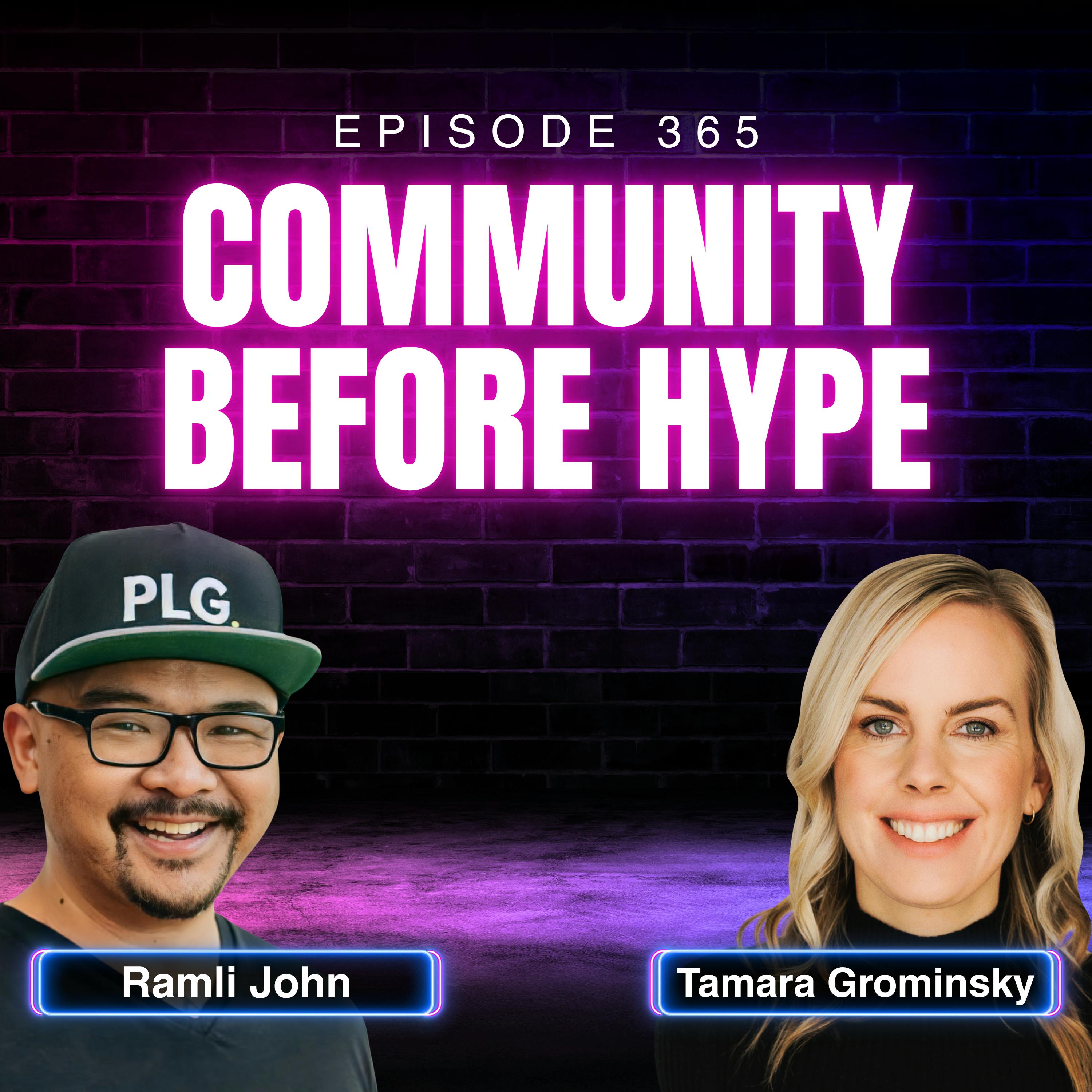
For his second book, author Ramli John drove 77% of sales directly, bypassing Amazon. While Amazon offers volume, direct sales provide higher margins and, more importantly, invaluable customer data (like emails) that enables direct communication, feedback loops, and long-term community building.
A powerful marketing gimmick involves launching a very small product batch to guarantee it sells out quickly. Brands then leverage this "sold out" status in press coverage to create a perception of high demand and build hype for subsequent, larger product releases.

Don't tie your pre-launch timeline to your product's price. The key factor is your audience's current state of readiness. Authors pre-launch a $20 book for six months because they need to build significant audience readiness from a cold state.

The myth of robust publisher marketing support is largely false for authors without massive advances. In the current landscape, an author is an entrepreneur by default. They are responsible for building an audience and driving sales, and can be a "good" or "bad" one, but cannot opt out of the role.
Despite his team's eagerness to enter comic book stores, Vaynerchuk is intentionally patient, waiting until the market "feels right." This protects long-term brand health by ensuring organic demand outpaces supply before expanding.
