Get your free personalized podcast brief
We scan new podcasts and send you the top 5 insights daily.
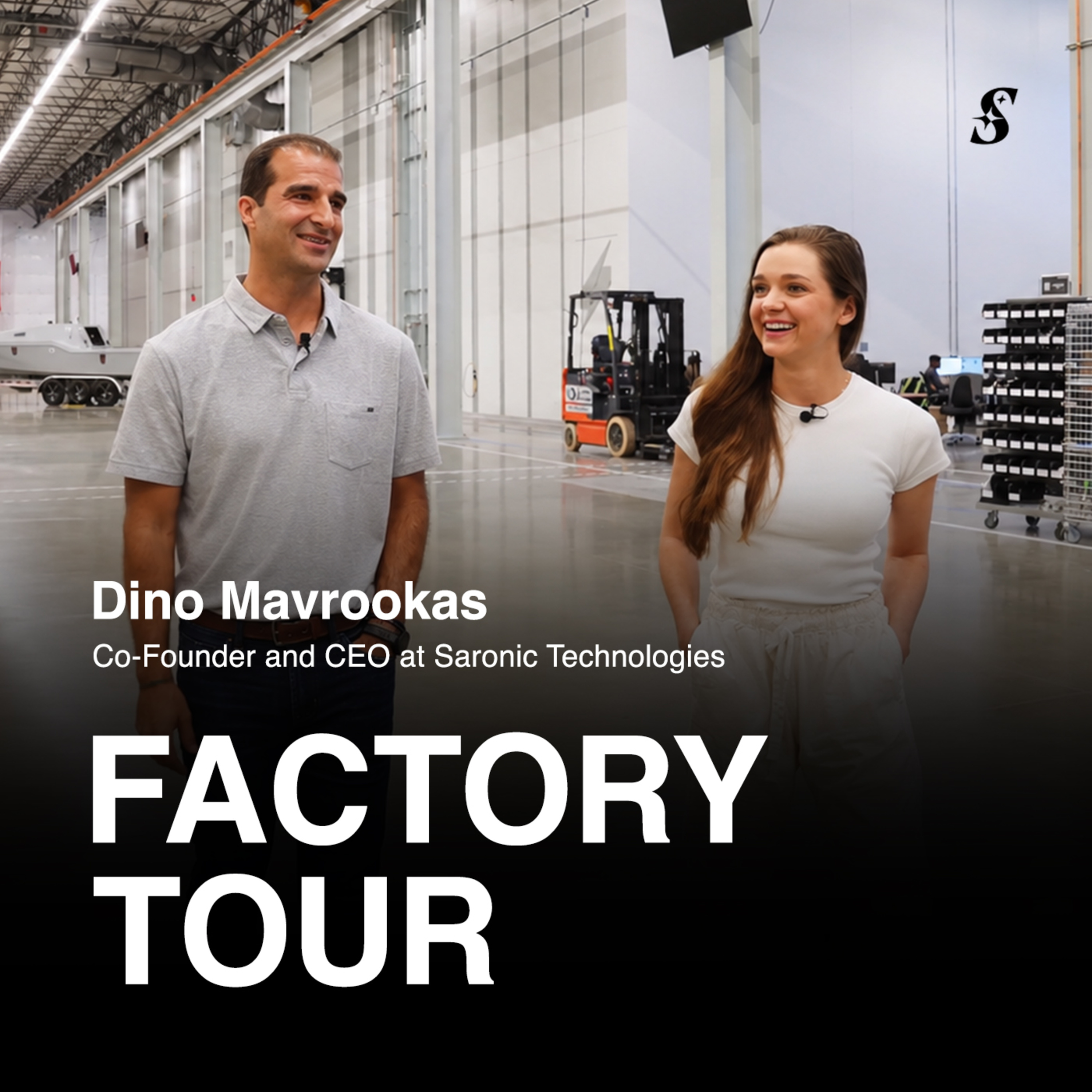
Saronic focuses on a simple, linear production flow that acts as a replicable blueprint. This 'system that builds the system' allows them to quickly establish new manufacturing facilities in standard warehouses, enabling rapid scaling not just in the U.S. but also for international allies.
Related Insights
International expansion for hardware companies requires a fundamental shift in thinking. The challenge isn't just building a factory abroad, but creating a replicable production system that can operate without constant support from the core engineering team. The factory itself must become a product.

Instead of seeking a scarce, experienced workforce, Saronic designs ships for manufacturability. This counterintuitive approach allows them to train thousands of new workers, fundamentally solving the industry's talent bottleneck rather than just working around it and enabling a revitalization of the industrial base.
By vertically integrating, Saronic can optimize a ship's design for ease of manufacturing and simultaneously design the factory layout for that specific ship. This hardware-software co-design approach, common in chipmaking, is now being applied to heavy industry for massive efficiency gains.

Saronic physically co-locates engineers with its production line, ensuring hardware designers can immediately solve problems that arise during manufacturing. This tight feedback loop, inspired by Tesla, eliminates the integration failures that commonly plague complex hardware projects combining hardware and software.
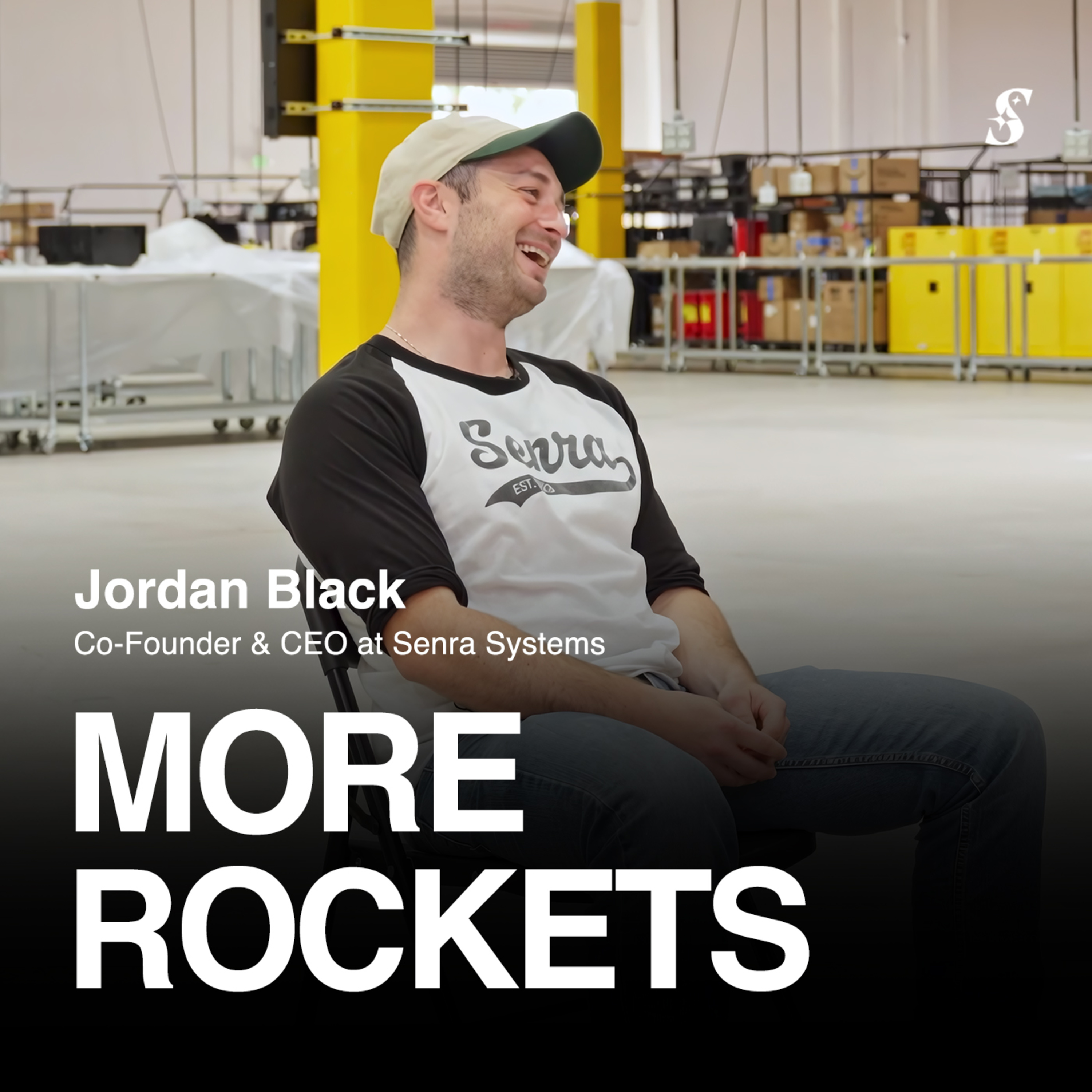
Senra Systems operates two types of facilities: one for rapid prototyping and new product introduction (NPI) to solve immediate customer problems, and another designed for cost-effective, scaled production to solve future demand. This dual approach offers both agility and long-term scalability.
Atomic Industries is scaling its manufacturing operations by creating a bifurcated factory system. Its first facility is dedicated solely to designing and creating molds. These molds are then shipped to a second, larger facility focused exclusively on high-volume part production, optimizing the workflow for both complex tooling and mass manufacturing.

Saronic initially focused on building small, cost-effective autonomous boats (Corsair) to meet an immediate defense need. The success and capital from this initial product gave them the credibility and resources to tackle their larger, more audacious ambition: building massive shipyards to restore U.S. naval capacity.
The current defense model, where the designer is the sole manufacturer, creates production bottlenecks. Adopting a modular approach—where one company designs and multiple companies can manufacture, as with the WWII Jeep—is crucial for rapidly scaling production and building a resilient supply chain.

LEGO ensures all its global factories are exact operational and physical copies. This extreme standardization means an employee from any factory can transfer to another continent and be fully productive the next day. This "rigidity," as the CEO calls it, provides enormous executional power and flexibility.

AHC rejects the "micro-factory" trend for a centralized "Gigafactory" model. This allows massive investment in automation and keeps engineers close to production for rapid iteration. To make this viable, their building components are designed to fit in standard shipping containers, enabling cost-effective national distribution.
