Get your free personalized podcast brief
We scan new podcasts and send you the top 5 insights daily.
Trump's nomination of Kevin Warsh for Fed Chair created unusual political divisions, drawing support from mainstream liberals like Jason Furman while facing opposition from others like Paul Krugman, unlike typical partisan confirmation battles.

Related Insights
The appointment of Kevin Warsh as Fed Chair shifts the focus from purely economic decisions to a fundamental governance question: will the central bank remain independent or take political orders from the president? This represents a potential paradigm shift in the separation of powers.

The nomination of Kevin Warsh, perceived as more hawkish, is a deliberate move to restore credibility around the Fed's balance sheet. This counters investor skepticism, signaled by rising gold prices, and buys time for the administration's economic strategy to succeed.

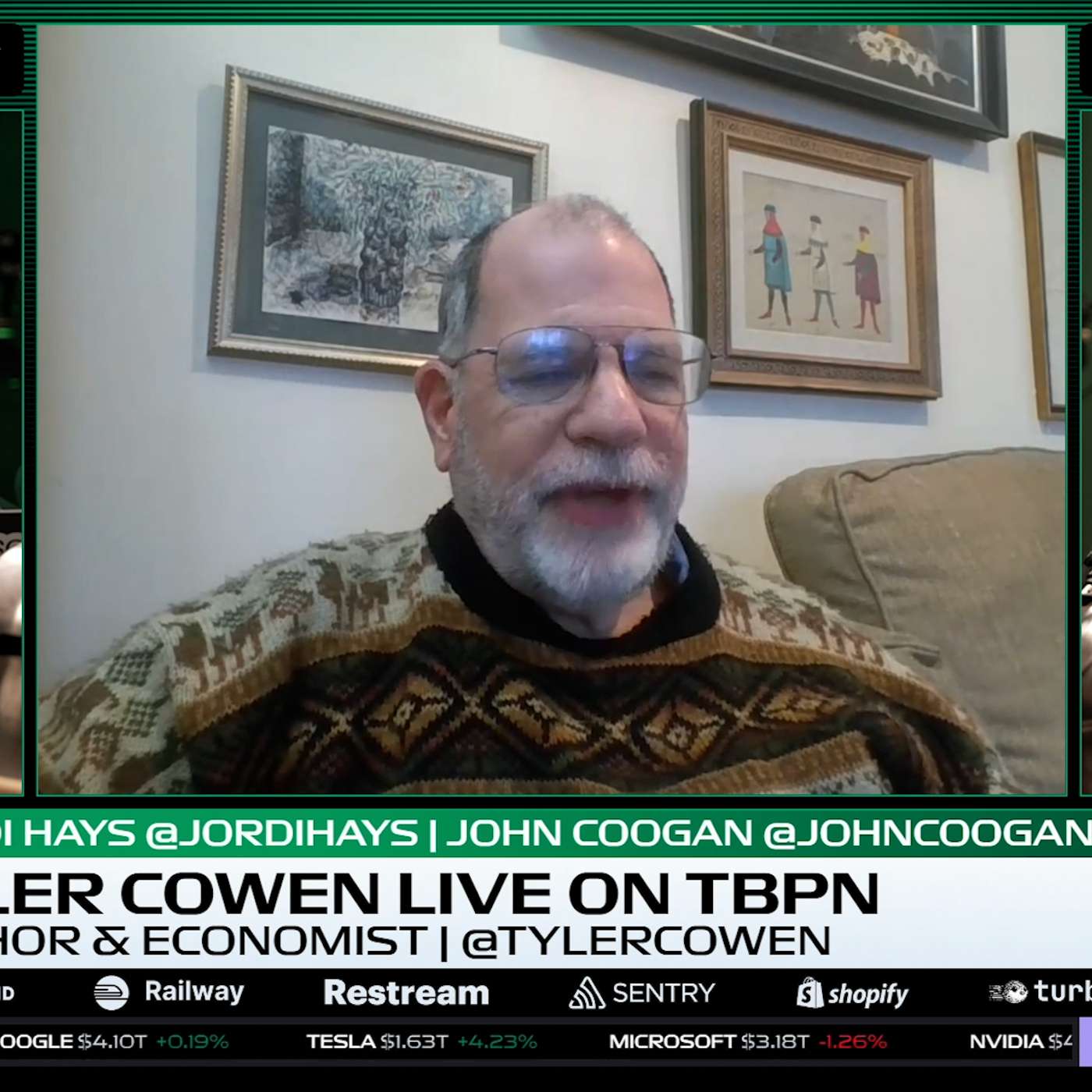
Tyler Cowen argues that Kevin Warsh is a political operator whose past economic stances are less predictive of his future actions than his desire to navigate the political landscape, particularly his relationship with Trump. Warsh's personal wealth from the Lauder family gives him the freedom to act independently if necessary, making his political calculus the key variable.
Figures like Mohamed El-Erian and Jason Furman support Warsh, but this backing is framed as coming from an insular "Group of 30" of former central bankers. Critics argue this elite endorsement overlooks Warsh's public track record of poor calls and partisan shifts, valuing personal rapport over demonstrated performance.
Critics allege Kevin Warsh exhibits a pattern of partisanship, worrying about inflation and fiscal excess under Democratic presidents but pivoting to pro-growth, lower-rate stances under Republicans. This behavior raises serious questions about his political independence and commitment to the Fed's dual mandate, regardless of the administration in power.
Despite his reputation as an inflation hawk, Fed Chair nominee Kevin Warsh is arguing for lower interest rates. He claims a coming AI-driven productivity boom will be disinflationary, allowing for looser monetary policy. This stance strategically aligns with President Trump's desire for rate cuts, making his nomination politically palatable.

To secure a nomination from a president like Donald Trump, candidates like Kevin Warsh must publicly adopt positions, such as rate cuts, that contradict their hawkish history. This "audition process" creates fundamental uncertainty about their true policy direction once appointed.
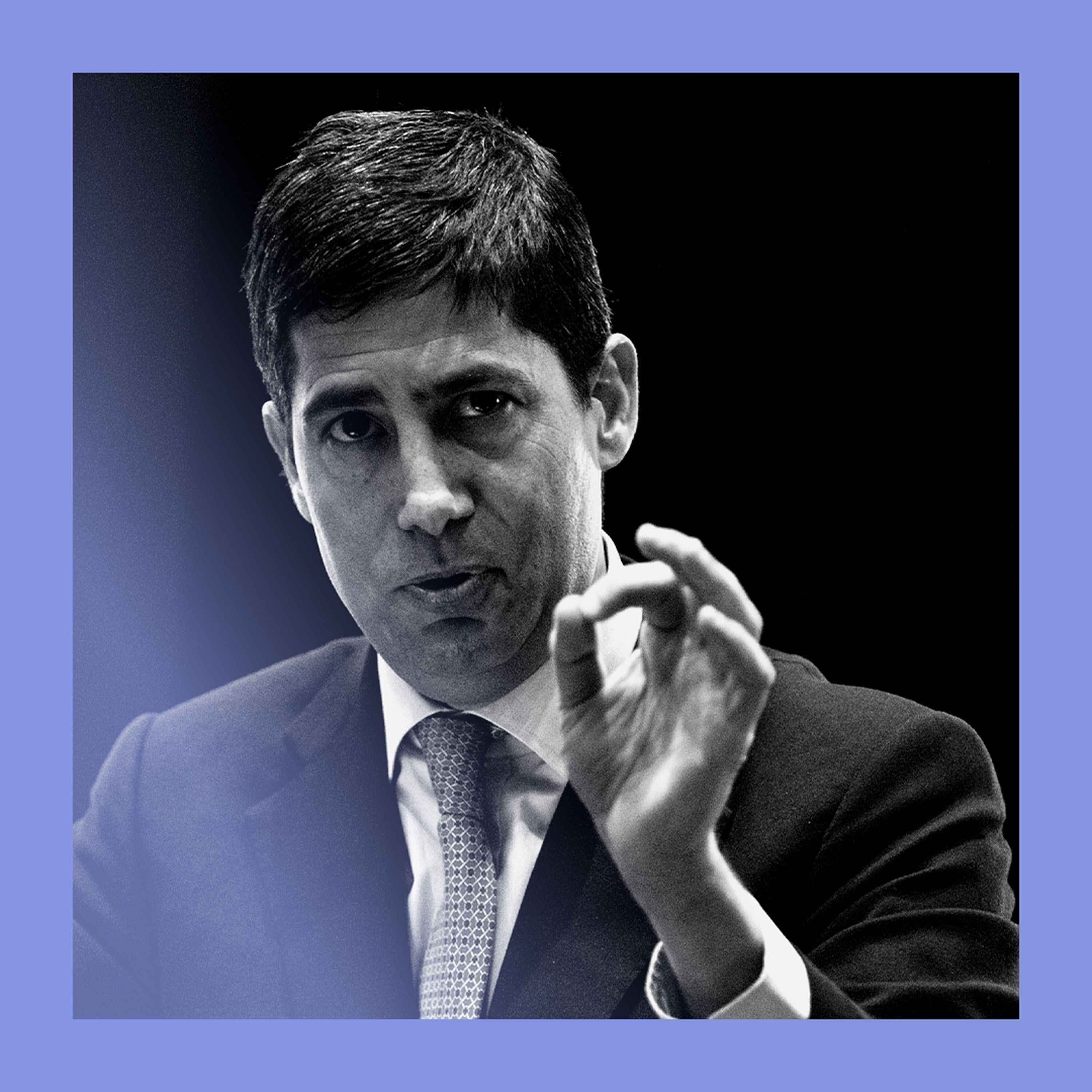
Kevin Warsh expresses skepticism about the Fed's reliance on real-time data, forecasts, and complex economic models, which he argues are often wrong and create a false sense of precision. This suggests a preference for a more principles-based monetary policy framework over a reactive, data-driven one.
The Trump administration's desire for rate cuts is a given. Warsh's distinct, long-held agenda is to reduce the Fed's balance sheet. This reconciles his hawkish reputation with the dovish policy of cutting rates, a consensus view within the administration.
In crises like 2008 and 2020, the Fed's perceived independence allowed it to broker vital policy solutions between a divided government. Appointing a figure seen as highly partisan, like Kevin Warsh, risks destroying this institutional trust, potentially paralyzing the Fed's ability to act as a reliable crisis manager when it is needed most.