Get your free personalized podcast brief
We scan new podcasts and send you the top 5 insights daily.
Systemic corruption, like the creation of 'invisible ports' for smuggling, evolved from initial, seemingly noble goals. Religious foundations were granted special privileges to bypass bureaucracy for charitable acts (like importing wheelchairs for war veterans), establishing a precedent that they were above the law, which was later exploited.

Related Insights
Iran's government operates like a mafia, creating a layered society where economic benefits are distributed based on an individual's loyalty to the regime, not their rights as a citizen. A loyal foreign proxy can receive more resources from the state than a domestic professional.
Systemic government fraud often operates as an intentional cycle. Public funds are allocated to allied NGOs, which then funnel a portion of that money back into the campaigns of the politicians who approved the funding. This creates a self-sustaining loop of corruption disguised as public service.

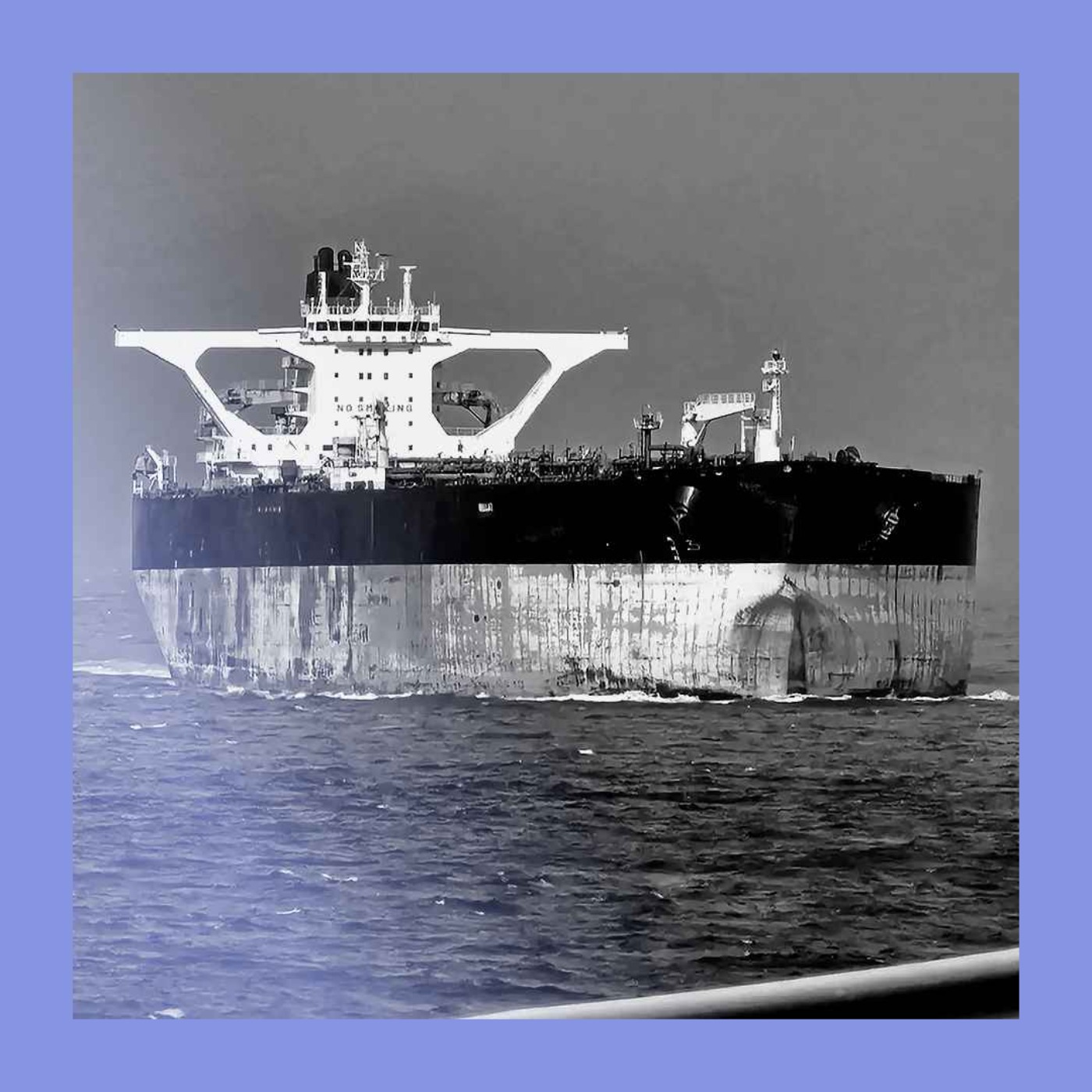
Nations like Russia and Iran utilize a "shadow fleet" of tankers to bypass international sanctions. These ships engage in clandestine activities, such as broadcasting false location data ("spoofing") and making illegal flag changes, forming what one official called a "Russian-Iranian axis of sanctions evasion."
Non-governmental organizations, originally for relief and charity, were co-opted by intelligence agencies for statecraft. Their philanthropic cover provides deniability for covert operations like running supplies, money, and guns, making them effective fronts for what the speaker terms 'the dirtiest deeds.'

Instead of a moral failing, corruption is a predictable outcome of game theory. If a system contains an exploit, a subset of people will maximize it. The solution is not appealing to morality but designing radically transparent systems that remove the opportunity to exploit.

An entrepreneur established a bank, offered high interest rates to attract deposits, and then loaned the majority of that money to his own construction companies. The resulting collapse was so massive (requiring a $5 billion infusion) that it forced the government to amend the national budget, fueling public rage against systemic corruption.
Beyond headline-grabbing scandals, the most insidious impact of a kleptocratic administration is its refusal to enforce existing laws, from financial regulations to anti-corruption acts. This quiet dismantling of the legal framework fosters a culture of impunity where bad actors thrive, ultimately harming ordinary people and destabilizing the entire system.

When Iran attempted to privatize major industries, it was not a genuine market reform. Instead, state-owned assets like factories were sold at very low prices to individuals connected to the security forces. Many of these new owners then stripped the assets for cash rather than running the businesses.
While US sanctions are a factor, the Iranian currency's freefall is largely due to structural corruption. The economy is dominated by the military and clerical foundations, a political-economic model that stifles growth and fuels public anger—a problem sanctions relief alone cannot solve.
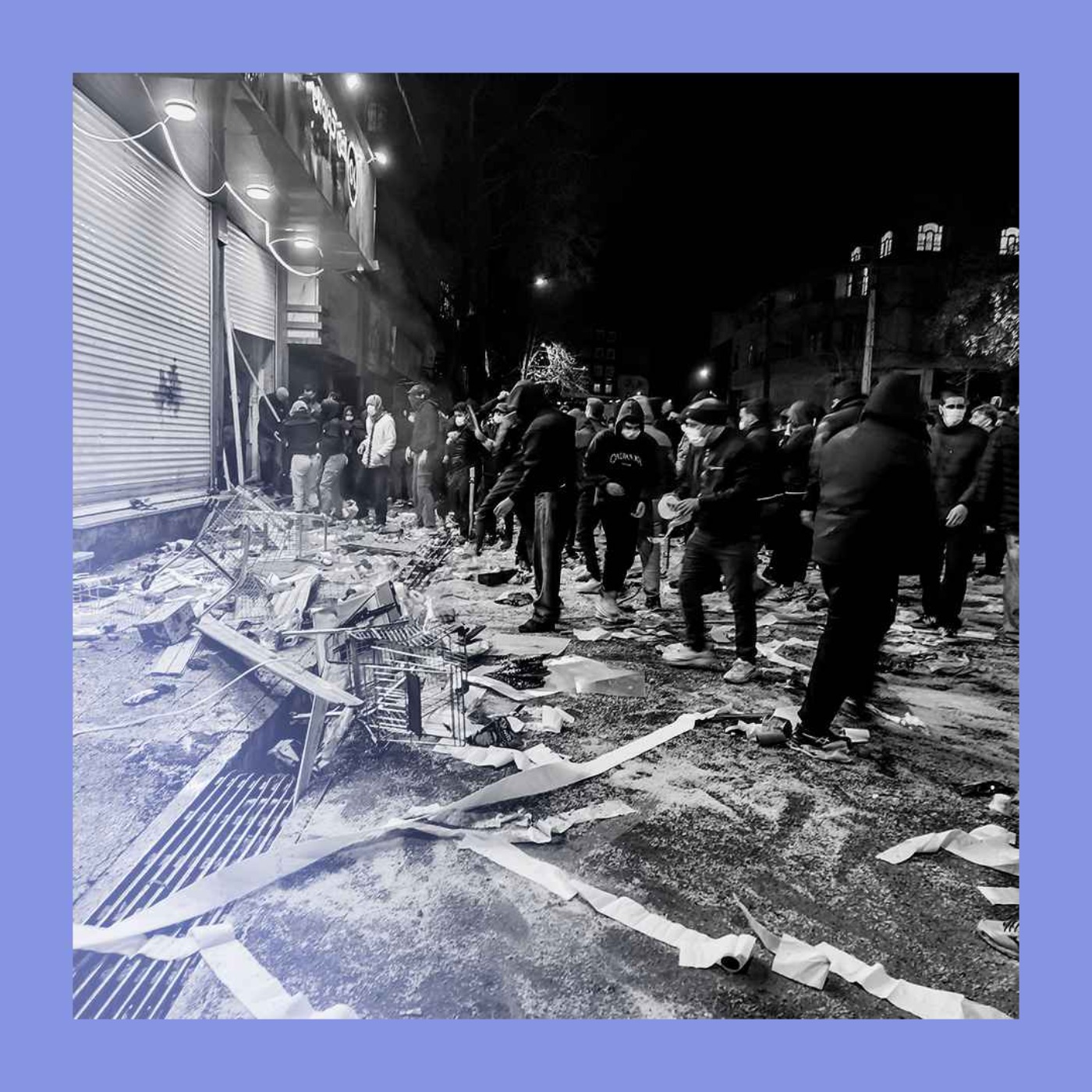
Widespread protests are fueled by everyday grievances like poverty and environmental destruction. These issues trace back to the Islamic Revolutionary Guard Corps (IRGC) systematically extorting and taking over successful private businesses, creating a corrupt and inefficient economy that angers the populace.